


Shah Ismail Dehlvi (26 April 1779 – 6 May 1831) stands as a towering figure in South Asian Islamic history, embodying the synthesis of intellectual scholarship, spiritual reform, and revolutionary zeal. As the grandson of Shah Waliullah Dehlawi and a key disciple of Shah Abdul Aziz Dehlawi, he inherited a profound legacy of Islamic thought and activism. Known for his seminal work Taqwiyat-ul-Iman (Strengthening of Faith), Shah Ismail Dehlawi was a scholar, preacher, and warrior who sought to purify Islam from bid’ah (innovations) and shirk (polytheism), revive tawhid (monotheism), and resist colonial oppression. His martyrdom at the Battle of Balakot in 1831 cemented his legacy as a shaheed (martyr), inspiring movements like Deobandi and Ahl-i Hadith.
This biography merges the scholarly rigor of traditional accounts with a vivid narrative, drawing from historical sources to explore Shah Ismail Shaheed’s life, contributions, controversies, and enduring influence. From his upbringing in Delhi’s scholarly milieu to his ultimate sacrifice in the rugged hills of Balakot, his journey reflects a commitment to Islamic revival amidst Mughal decline and British-Sikh dominance.
In the annals of South Asian Islamic revivalism, few names shine as brightly as Shah Ismail Dehlawi (1779–1831). As the grandson of Shah Waliullah Dehlawi and the disciple of Shah Abdul Aziz Dehlawi, Maulana Shah Ismail Shaheed stood at the confluence of intellectual brilliance, spiritual reform, and revolutionary zeal. He is remembered not just as a scholar of Islamic theology but as a fearless reformer, an eloquent preacher, and a martyr who sacrificed his life for the cause of Islam. His life embodies a rare synthesis of knowledge (‘ilm), spirituality (tasawwuf), reform (islah), and militant resistance (jihad) against colonial oppression and sectarian corruption.
This biography explores the remarkable journey of Shah Ismail Dehlawi—from his scholarly upbringing in Delhi to his heroic martyrdom at the Battle of Balakot.
Early Life and Family Background

Born on April 26, 1779, in Delhi, Shah Ismail Dehlavi was part of a family renowned for its unparalleled Islamic scholarship. His father, Shah Abdul Ghani, was a respected scholar, and his grandfather, Shah Waliullah Dehlawi, was a monumental reformer whose works, like Hujjatullah al-Baligha, reshaped Islamic thought in India. His uncle, Shah Abdul Aziz Dehlawi, a leading muhaddith and author of Tafsir-i-Azizi, mentored him, shaping his intellectual and spiritual outlook.
Check our review on Hujjatullah al-Baligha or buy from here?
Raised in Delhi’s vibrant intellectual hub during the waning Mughal era, Shah Ismail Shaheed studied at Madrasah-i Rahimiyyah, founded by Shah Waliullah. Under Shah Abdul Aziz, he mastered Quranic exegesis (tafsir), Hadith, fiqh (jurisprudence), logic, and Naqshbandi Sufism by age 20. His early exposure to debates on tawhid and bid’ah, coupled with the socio-political turmoil of British colonialism and Sikh rule, fueled his reformist zeal. By his late teens, he was delivering sermons that blended scholarly depth with accessibility, attracting both elites and commoners.
Scholarly Contributions
Mastery in Hadith and Tafsir
Maulana Shah Ismail Shaheed was a distinguished muhaddith and mufassir, known for his clear, direct oratory that broke from the ornate style of his time. His lectures at Madrasah-i Rahimiyyah drew scholars from across India, covering Hadith collections like Sahih Bukhari and Quranic exegesis. Unlike many contemporaries, he emphasized the practical application of Islamic principles, addressing the spiritual and social challenges of colonial India.
His Urdu translations and commentaries made Islamic texts accessible to a broader audience, as Urdu replaced Persian as the region’s lingua franca. His approach combined Shah Waliullah’s analytical rigor with a populist tone, making complex theological concepts relatable.
Taqwiyat-ul-Iman (Strengthening of Faith)
Shah Ismail Dehlvi’s most influential work, Taqwiyat-ul-Iman (1818, Urdu), is a cornerstone of South Asian Islamic reform. Written to combat shirk and bid’ah, it critiques practices like seeking intercession from saints, wearing amulets (tawiz), and excessive veneration of graves, which he saw as Hindu or Shia influences. The book’s core message is a return to pure tawhid, emphasizing God’s oneness and direct worship without intermediaries.
Check our review on Taqwiyat-ul-Iman or buy from here?
Taqwiyat-ul-Iman was widely circulated via the lithographic press, reaching thousands in Urdu. It influenced Deobandi and Ahl-i Hadith movements, though it sparked controversy among Barelvis, who criticized its doctrine of imkan-e-kizb (the possibility of God lying) as blasphemous.
Learn more about Deoband Movements, history, and its legacy
Sirat-al-Mustaqeem (The Straight Path)
Co-authored with Sayyid Ahmad Barelvi in 1819 (Persian, later Urdu), Sirat-al-Mustaqeem outlines the Tariqah-yi Muhammadiyya’s mission to purify Islam. It condemns false Sufism, Shia practices (e.g., ta’ziya processions), and folk customs, advocating direct reliance on the Quran and Sunnah. Its aggressive stance against bid’ah shaped the movement’s radical reformist identity.
Social and Religious Reforms
Shah Ismail Dehlvi targeted corruption among religious elites, sectarianism, and moral decay. He criticized exploitative practices like selling amulets and opposed Shia rituals, viewing them as Hindu-like deviations. His reforms included banning excessive marriage dowries, ensuring women’s inheritance rights, and limiting polygamy to four wives, aligning with Sharia. His sermons, delivered in mosques and public gatherings, galvanized communities but alienated traditionalists.
Alliance with Sayyid Ahmad Barelvi
The Call for Jihad
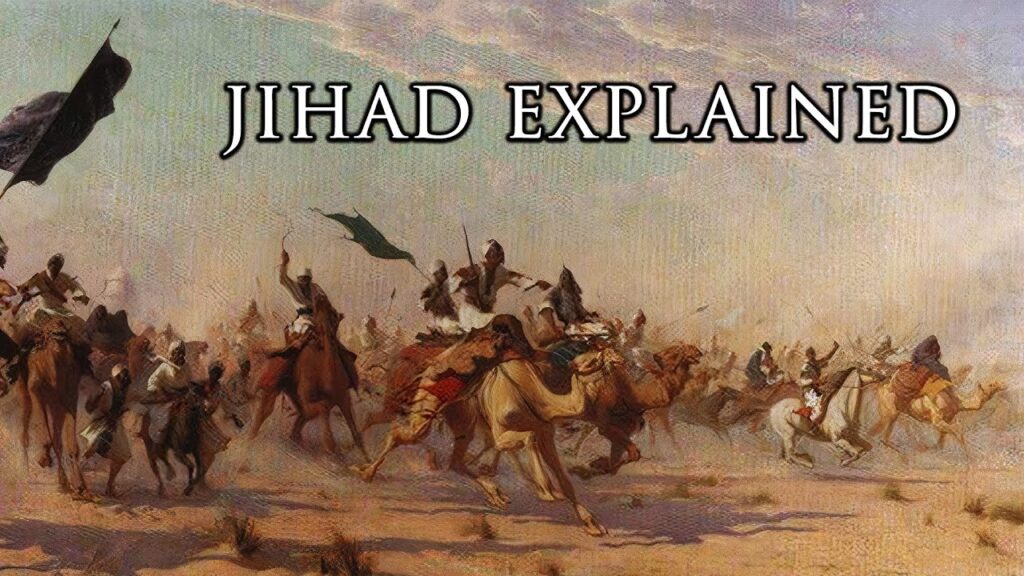
In 1821, Shah Ismail Shaheed joined Sayyid Ahmad Barelvi’s reformist movement, inspired by Shah Abdul Aziz’s Dar al-Harb fatwa declaring British-ruled India an “Abode of War.” The Tariqah-yi Muhammadiyya aimed to establish an Islamic state, free from British and Sikh oppression. Shah Ismail Dehlavi, as a key ideologue, preached against shirk and rallied support across North India (1818–1821), targeting Shia practices like ta’ziya processions, which he equated with idolatry.
His anti-Shia stance caused riots, as he reportedly destroyed thousands of ta’ziyas, intensifying Sunni-Shia tensions. Despite this, he maintained a theological focus, urging Muslims to emulate the Prophet’s practices.
Migration to the Frontier
In 1826, Shah Ismail Dehlvi, Sayyid Ahmad Barelvi, and 1,500 followers migrated to the North-West Frontier (modern Khyber Pakhtunkhwa, Pakistan), a region with a Muslim majority and less British control. Settling in Hund and Zaida (Swabi District), they established a proto-Islamic state, with Sayyid Ahmad as Amir ul-Mu’minin (Commander of the Faithful). Maulana Shah Ismail Shaheed served as a preacher, military strategist, and Sharia enforcer, replacing tribal customs with Islamic taxes (ushr) and laws.
Their reforms, including banning bride prices and enforcing prayers, alienated some Pashtun tribes, who resisted the imposition of non-tribal norms. Despite initial support, tribal leaders like Khadi Khan opposed the movement, viewing it as a threat to their authority.
The Battle of Balakot and Martyrdom
In 1830, the mujahideen captured Peshawar, implementing Sharia and abolishing practices like polygamy beyond four wives and clan wars as jihad. However, tribal discontent and British-backed Sikh forces under Maharaja Ranjit Singh challenged their rule. On 6 May 1831, at Balakot, Shah Ismail Shaheed and Sayyid Ahmad faced approximately. 5,000 Sikh troops in a fierce battle.
Despite early victories (e.g., Akora Khattak, 1826), betrayals by local tribes and superior Sikh forces led to defeat. Shah Ismail Dehlawi fought valiantly, wielding both sword and sermon, but was killed alongside Sayyid Ahmad. His beheading marked the end of the jihad experiment, but his martyrdom immortalized him as a symbol of resistance.
Controversies and Criticisms
Anti-Shia Stance
Shah Ismail Shaheed’s aggressive opposition to Shia practices, particularly ta’ziya processions during Muharram, sparked significant controversy. He wrote, “A true believer should regard the breaking of a ta’ziya by force as virtuous as destroying idols,” leading to riots in North India. His campaigns against Shia imambaras and rituals were seen as divisive, exacerbating sectarian tensions, according to some historians.
Imkan-e-Kizb Controversy
Barelvi scholars, notably Fazl-e-Haq Khairabadi and later Ahmad Raza Khan, criticized Shah Ismail Dehlavi for imkan-e-kizb in Taqwiyat-ul-Iman, the theological claim that God could theoretically lie, which they deemed blasphemous. This stance alienated Barelvis, who accused him of fracturing Muslim unity.
Learn more about the “Imkan-e-kidhb controversy in detail.“
Tribal Resistance
The mujahideen’s imposition of Sharia over Pashtun customs (e.g., bride prices, tribal wars) led to friction with local leaders, who saw Shah Ismail Shaheed and Sayyid Ahmad as outsiders threatening their authority. Historians like M. Abdul Jabbar Beg note British tacit support, aiming to weaken Sikh rule by shifting reformers to the frontier.
Legacy and Influence
Impact on Islamic Movements
Shah Ismail Shaheed’s teachings laid the foundation for major South Asian Islamic movements:
- Deobandi Movement: Founded in 1866, Deoband drew from its emphasis on Hadith, tawhid, and reform, with scholars like Rashid Ahmad Gangohi citing Taqwiyat-ul-Iman.
- Ahl-i Hadith: His rejection of madhhab imitation and focus on scriptural purity shaped this movement’s Salafi-oriented ideology.
- Jihad Movements: His martyrdom inspired anti-colonial resistance, influencing the 1857 uprising and later independence struggles.
Literary Legacy
Taqwiyat-ul-Iman and Sirat-al-Mustaqeem remain widely studied in South Asian madrasahs, with translations available on platforms. His emphasis on direct scriptural access influenced modern Islamic scholarship.
Recognition as a Martyr
Shah Ismail Dehlvi is revered as a shaheed for his sacrifice at Balakot. His grave in Balakot remains a pilgrimage site, symbolizing resistance against oppression. Nadwi describes him as a “beacon of steadfastness,” blending scholarship with action.
Timeline of Key Events
| Year | Event | Significance |
|---|---|---|
| 1779 | Born in Delhi | Grandson of Shah Waliullah, raised in scholarly milieu. |
| 1818 | Publishes Taqwiyat-ul-Iman | Critiques shirk and bid’ah, shaping reformist thought. |
| 1819 | Co-authors Sirat-al-Mustaqeem | Outlines Tariqah-yi Muhammadiyya’s mission. |
| 1821–23 | Performs Hajj | Strengthens reformist resolve, tours India. |
| 1826 | Establishes an Islamic state with Sayyid Ahmad. | Grandson of Shah Waliullah, raised in a scholarly milieu. |
| 1830 | Captures Peshawar | Implements Sharia, faces tribal resistance. |
| 1831 | Martyred at Balakot | Migrates to the North-West Frontier |
Conclusion
Shah Ismail Dehlvi’s life encapsulates the struggle for Islamic revival in a time of crisis. As a scholar, he clarified tawhid; as a reformer, he challenged bid’ah; as a warrior, he fought oppression; and as a martyr, he inspired generations. Despite controversies, his legacy endures in Deobandi and Ahl-i Hadith movements, shaping South Asian Islam. His life reminds us that true faith demands both intellectual rigor and courageous action.
Frequently Asked Questions
Who was Shah Ismail Dehlvi?
A Sunni scholar, reformer, and martyr (1779–1831), grandson of Shah Waliullah, known for Taqwiyat-ul-Iman and his participation in the jihad at Balakot.
What is Taqwiyat-ul-Iman?
A seminal Urdu work (1818) critiquing shirk and bid’ah while emphasizing tawhid; it became a foundational text for the Deobandi and Ahl-i Hadith movements.
Why was Shah Ismail Shaheed controversial?
His anti-Shia actions—such as the destruction of ta’ziyas—and the doctrine of imkan-e-kizb drew strong criticism from Barelvi scholars, who regarded them as blasphemous.
What was the Battle of Balakot?
A pivotal 1831 clash in which Shah Ismail Dehlawi and Sayyid Ahmad were martyred by Sikh forces, marking the end of their jihad movement.
How did Shah Ismail Dehlavi influence Islamic movements?
His writings and reformist ideas deeply influenced the Deobandi and Ahl-i Hadith movements, as well as anti-colonial jihadi efforts, shaping the course of modern South Asian Islam.
References
- Metcalf, Barbara D. Islamic Revival in British India: Deoband, 1860–1900. Princeton University Press, 1982.
- Nadwi, Abul Hasan Ali. Saviours of Islamic Spirit. Academy of Islamic Research, 1971.
- Rieck, Andreas. The Shias of Pakistan: An Assertive and Beleaguered Minority. Hurst & Company, 2015.
- Hunter, W.W. The Indian Musalmans. Trubner & Co., 1876.
- Beg, M. Abdul Jabbar. Jihad Movement in India. Islamic Publications, 1986.
- Encyclopædia Iranica, “Shah Ismail Dehlvi.” Edited by Azduddin Khan, 2004.
- Taqwiyat-ul-Iman by Shah Ismail Dehlvi. Dar-us-Salam Publications, 1995.
- Sirat-al-Mustaqeem by Shah Ismail Dehlvi and Sayyid Ahmad Barelvi. Rekhta.org, 1819.