


The Tariqah-i Muhammadiya (Arabic: الطريقة المحمدية), translating to “The Muhammadan Way,” was a significant Islamic revivalist, reformist, and militant movement in early 19th-century India. Emerging during a period of political decline for Muslims under British colonial and Sikh rule, the movement sought to restore Islamic governance, purify religious practices, and resist foreign domination.
Founded by Syed Ahmad Barelvi (1786–1831) and ideologically shaped by Shah Ismail Shaheed (1779–1831), the Tariqah-i Muhammadiya sought to emulate the life and teachings of the Prophet Muhammad (peace be upon him) through adherence to the Quran and the Sunnah.
This article examines the movement’s historical context, ideological foundations, key figures, objectives, activities, and enduring legacy, while addressing common misconceptions about its nature and objectives.
Historical Context
The early 19th century was a tumultuous period for Indian Muslims. The Mughal Empire, once a symbol of Muslim sovereignty, had weakened significantly after the death of Emperor Aurangzeb in 1707. By the 1800s, British colonial rule was expanding through the East India Company, while the Sikh Empire under Maharaja Ranjit Singh controlled Punjab and parts of the North-West Frontier, imposing restrictions on Muslim religious practices, such as the call to prayer (azan) and cow slaughter. This socio-political decline, coupled with perceived moral and religious decay among Muslims, created a fertile ground for revivalist movements.
The Tariqah-i Muhammadiya was rooted in the reformist ideas of Shah Waliullah Dehlawi (1703–1763), a prominent Indian scholar who advocated for a return to the Quran and Sunnah, rejection of bid’ah (innovations), and ijtihad (independent reasoning) to address contemporary challenges. His grandson, Shah Ismail Shahid, and Syed Ahmad Barelvi transformed these ideas into a religio-political movement, blending spiritual reform with militant action to restore Muslim pride and sovereignty.
Ideological Foundations
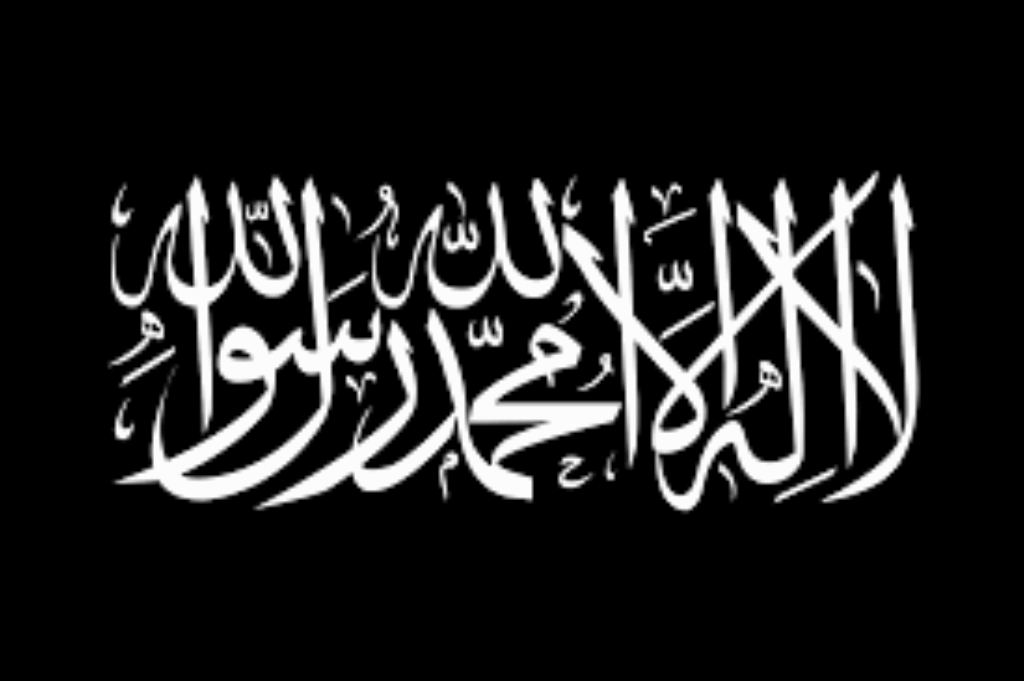
The Tariqah-i Muhammadiya was not a traditional Sufi order in the sense of an organized mystical confraternity, but rather a methodology emphasizing direct connection to the Prophet Muhammad’s teachings. Its core principles included:
- Adherence to Quran and Sunnah: The movement stressed strict adherence to the Prophet’s Sunnah, rejecting practices deemed un-Islamic, such as saint veneration and shrine worship, which were prevalent in Indian Muslim society.
- Rejection of Taqlid: It opposed blind adherence to the four Sunni schools of jurisprudence (madhahib), advocating ijtihad to derive rulings directly from primary sources.
- Tawhid and Anti-Shirk: The movement prioritized monotheism (tawhid), condemning practices it viewed as shirk (polytheism), such as excessive devotion to saints.
- Jihad as Resistance: Jihad was central to the movement, interpreted as both spiritual struggle and armed resistance against non-Muslim oppressors, particularly the Sikhs and, indirectly, the British.
- Sufi Influence with Reform: While rooted in Sufism, the movement critiqued popular Sufi practices that deviated from the Prophet’s example, aligning with the broader Tariqa Muhammadiyya concept of spiritual connection to the Prophet.
The movement’s name, “Tariqah-i Muhammadiya,” reflects its commitment to the “path” (tariqa) of the Prophet, distinguishing it from other Sufi orders by its puritanical and activist approach. It was influenced by earlier scholars like Imam Birgivi (d. 1573), whose work al-Tariqa al-Muhammadiyya emphasized practical spirituality and taqwa (God-consciousness).
Key Figures
- Syed Ahmad Barelvi (1786–1831): The founder and military leader, Syed Ahmad Shaheed Barelvi was born in Rae Bareli, Awadh. Initially a soldier in the army of Nawab Amir Khan of Tonk (1811–1817), he left after Amir Khan allied with the British, signaling his anti-colonial stance. Inspired by Shah Waliullah’s teachings during his studies in Delhi, he launched the Tariqa-yi Muhammadiya to revive Islamic governance. His charisma and leadership mobilized thousands, culminating in his jihad against the Sikhs, which ended with his martyrdom at the Battle of Balakot in 1831.
- Shah Ismail Shahid (1779–1831): The ideological backbone of the movement, Shah Ismail Dehlvi, a grandson of Shah Waliullah Dehlvi, was a scholar who preached against bid’ah and shirk at Delhi’s Jama Masjid. His works, Sirat-ul-Mustaqim and Taqwiyat-ul-Iman, articulated the movement’s reformist theology. He joined Syed Ahmad in the jihad and was also martyred at Balakot.
- Titu Mir (1782–1831): A disciple of Syed Ahmad Barelvi, Titu Mir (Sayyid Nisar Ali) spread the movement’s teachings in Bengal after meeting Syed Ahmad Shaheed in Mecca. He led an anti-British and anti-zamindar uprising, building a bamboo fortress in Narkelbaria, Bengal, before he died in 1831.
- Ali Brothers: Waliyet Ali (1791–1835) and Inayet Ali (1794–1858) of Patna continued the movement’s anti-British activities in Bengal, organizing local cells to fund jihad in the North-West Frontier.
Objectives
The Tariqah-i Muhammadiya had multifaceted goals:
- Religious Purification: To eliminate practices deemed un-Islamic, such as shrine worship and intercession through saints, and promote a return to the Quran and Sunnah.
- Establishment of an Islamic State: To create a Sharia-based state in northwest India as a base for broader Islamic governance, starting with liberation from Sikh rule.
- Resistance to Foreign Rule: To resist Sikh oppression and, indirectly, British colonialism, through jihad and alliances with local tribes and non-Muslim leaders like Raja Hindu Rai.
- Muslim Unity: To foster a sense of unity among Indian Muslims, weakened by political fragmentation and economic marginalization.
Activities and Impact

Propagation and Mobilization
The movement began in northern India and spread to Bengal in the 1820s. Syed Ahmad Barelvi’s visits to Calcutta in 1820 and 1821 attracted thousands, with gatherings of up to 10,000 followers. He propagated his doctrines through sermons, writings, and personal networks, inspiring figures like Titu Mir.
Hijrah and Jihad
In 1826, Syed Ahmad Shaheed Barelvi led a hijrah (migration) to the North-West Frontier, emulating the Prophet’s migration from Mecca to Medina. The region was chosen due to Sikh oppression of Muslims, with the ultimate aim of establishing an Islamic state across India. By 1830, the movement captured Peshawar from the Sikhs, supported by local Pashtun tribes.
However, cultural clashes, such as Syed Ahmad Barelvi’s marriage reforms, led to tensions with locals. In 1831, the Battle of Balakot saw the Sikhs defeat the mujahideen, with Syed Ahmad Shaheed and Shah Ismail Dehlvi martyred. The absence of Syed Ahmad Barelvi’s body fueled myths of his “ascension,” enhancing his legacy.
Bengal Uprising
In Bengal, Titu Mir and the Ali Brothers led anti-colonial and anti-zamindar resistance, declaring jihad against the “firinghee raj” (British rule). Local cells in districts like Malda, Jessore, and Faridpur collected funds for the frontier jihad. Titu Mir’s uprising, though crushed in 1831, inspired peasant resistance against colonial exploitation.
Refutation of Misconceptions
The movement was often mislabeled as “Wahhabi” by British authorities to discredit it and create divisions among Indians. This term, borrowed from the Arabian Wahhabi movement, was inaccurate, as Syed Ahmad Barelvi’s ideology was rooted in Indian Sufi-reformist traditions, particularly Shah Waliullah’s teachings. His early affiliation with Sufi orders (Naqshbandiyya, Chishtiyya, Qadiriyya) and his outreach to Hindu leaders, like Raja Hindu Rai, demonstrate a nuanced approach, not a rigid exclusivism.
Colonial sources, like W.W. Hunter’s The Indian Musalmans (1871), sometimes portrayed Syed Ahmad Barelvi as a plunderer or fanatic, but these claims lack evidence. His financial struggles and reliance on grassroots donations reflect his commitment to the cause, not personal gain.
Legacy
Despite its military defeat at Balakot, the Tariqa-yi Muhammadiya left a profound legacy:
- Religious Reform: It influenced the Ahl-i Hadith and Deobandi movements, which continue to emphasize the Quran and Sunnah over taqlid. Syed Ahmad Barelavi is often regarded as one of the founders of the Ahl-i Hadith movement by many.
- Anti-Colonial Sentiment: The movement inspired later anti-British uprisings, including the 1857 Revolt, and fostered a sense of Muslim separatism.
- Educational Impact: The movement’s emphasis on knowledge led to institutions like Darul Uloom Deoband (1866), founded by its ideological heirs.
- Regional Influence: Its spread to Bengal and the North-West Frontier galvanized local resistance against colonial and Sikh rule, shaping regional Islamic identity.
The movement’s decline in the mid-19th century was due to changing political realities, with figures like Maulana Karamat Ali Jaunpuri advocating peaceful coexistence with the British. However, its reformist and resistant spirit endured in subsequent Islamic movements.
Conclusion
The Tariqa-yi Muhammadiya was a dynamic response to the challenges faced by Indian Muslims in the early 19th century. Led by Syed Ahmad Barelvi and Shah Ismail Shahid, it combined religious purification, political activism, and militant resistance to restore Islamic governance and resist foreign oppression. While its military efforts ended in defeat, its ideological impact on Islamic revivalism and anti-colonialism was profound, influencing movements like Ahl-i Hadith and Deoband. By refuting colonial mislabels like “Wahhabi” and recognizing its Sufi-reformist roots, we gain a clearer understanding of its role as a pivotal chapter in South Asian Islamic history.
References
- Ahmad, Qeyamuddin. The Wahabi Movement in India. 1966.
- Datta, K.K. History of the Freedom Movement in Bihar. 1957.
- Nadwi, Abul Hasan Ali Hasani. Seerat-i-Sayyid Ahmad Shaheed. 1939.
- Banglapedia: Tariqah-i-Muhammadiya. 2021.
- Wikipedia: Tariqah-i Muhammadiya. 2007.
- Journal of the Contemporary Study of Islam: Roots of Diversity. 2025.
- L’Orient-Le-Jour: Jihad, Violence et Taliban. 2001.
- Osmanian: Syed Ahmad Barelvi and the Wahabi Movement. 2025.