

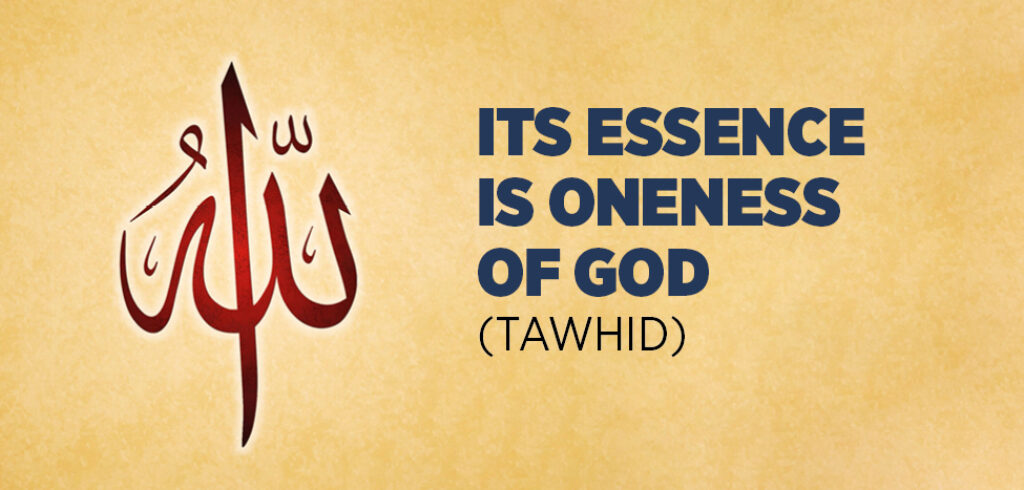
In the vast tapestry of Islamic theology, few concepts carry as much profound depth and centrality as Tawhid. More than a simple belief, it is the very bedrock of Muslim faith—the timeless declaration of God’s absolute oneness that shapes every facet of worship, ethics, and daily life. Yet, in our modern world of complexity and division, what does this ancient truth truly mean? How does it offer guidance, purpose, and a path to unity today?
This comprehensive guide is designed to answer that call. We will delve into the essence of Tawhid, exploring its core definitions and the different Types of Tawhid. We’ll trace its foundations through Quranic verses and Hadith, examine its historical development through the lens of scholars like Ibn Taymiyyah, and address common misconceptions. Furthermore, we will investigate its practical impact on Tawhid in daily Muslim practices and its profound relevance in contemporary discussions, from personal well-being to social justice.
Whether you are a student of religion, a lifelong Muslim seeking deeper insight, or simply curious about the power of monotheism, this article provides a balanced and insightful overview. We will answer your pressing questions, including how Tawhid compares to monotheism in Christianity and Judaism, its role in Sufism, and why classical works like Kitab at-Tawhid and Taqwiyat-ul-Iman remain essential reading. Grounded in authentic sources and enriched with modern understanding, this journey into the heart of divine oneness is both a timeless exploration and a guide for our time.
What is Tawhid in Islam? A Fundamental Definition
Tawhid, derived from the Arabic root “wahada,” meaning “to make one” or “to unify,” is the cornerstone of Islamic monotheism. It affirms the absolute oneness and uniqueness of Allah (God), rejecting any form of polytheism, partnership, or division in His essence. In essence, Tawhid declares that Allah is the sole Creator, Sustainer, and Lord of the universe, with no equals or rivals. This concept is not merely intellectual; it demands a heartfelt conviction and practical implementation in a Muslim’s life.
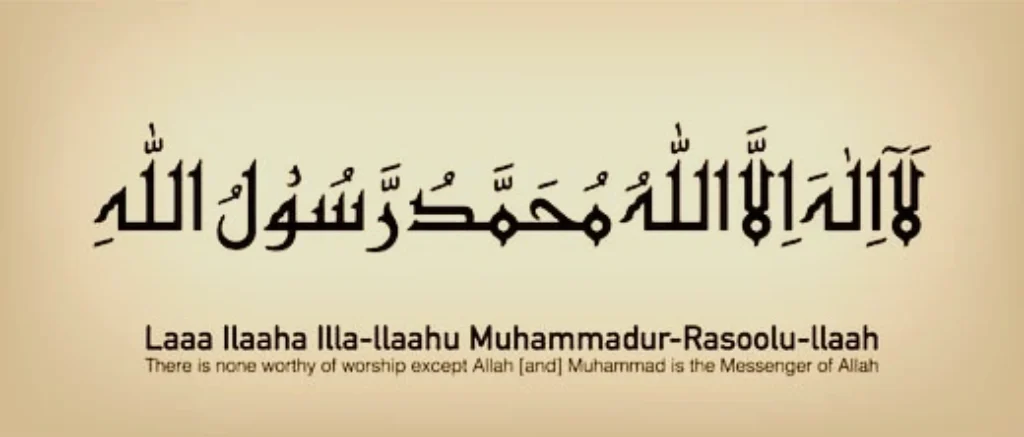
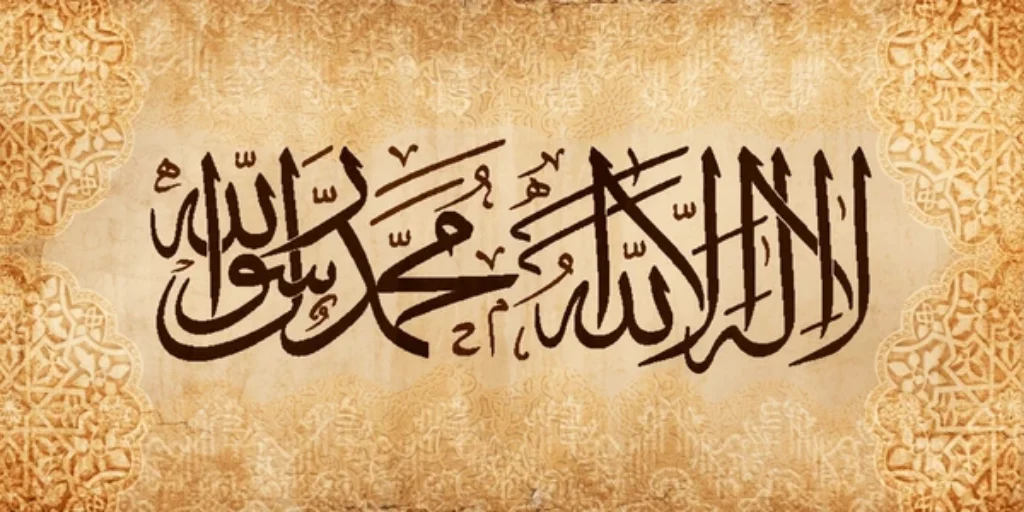
At its core, Tawhid means believing in Allah alone as the God and Lord, attributing to Him all attributes of divinity and lordship without associating partners. It encompasses the idea that Allah is one in His essence, actions, and attributes, forming the central pillar upon which the entire Islamic faith rests. The Shahada, the Islamic declaration of faith—”La ilaha illallah” (There is no god but Allah)—encapsulates Tawhid, serving as the entry point to Islam and a daily reminder of this truth.
Unlike superficial understandings, Tawhid instructs Muslims that there is only one truth, one path, and one ultimate reality: Allah. It unifies humanity under a single divine authority, promoting equality and purpose. In a world filled with distractions and divisions, Tawhid offers a unifying force, reminding believers that all existence stems from and returns to the One God.
To fully grasp Tawhid, consider its etymology and Quranic roots. The term implies asserting oneness, emphasizing that Allah is indivisible and transcendent. This belief distinguishes Islam from other religions, where monotheism might allow for intermediaries or multiple manifestations of divinity.
Types of Tawhid in Islam: Breaking Down the Categories
Scholars categorize Tawhid into three primary types to provide a structured understanding, each addressing different aspects of Allah’s oneness. These divisions help believers avoid misconceptions and deepen their faith.
- Tawhid al-Rububiyyah (Oneness of Lordship): This refers to recognizing Allah as the sole Creator, Sustainer, and Owner of the universe. It affirms that Allah alone controls creation, provision, life, and death. Even polytheists in pre-Islamic Arabia acknowledged this aspect, but it forms the foundation for deeper Tawhid. For instance, Allah manages the affairs of all things without partners.
- Tawhid al-Uluhiyyah (Oneness of Worship): Also known as Tawhid al-Ibadah, this mandates directing all acts of worship—prayer, supplication, sacrifice—exclusively to Allah. It prohibits associating partners in devotion, emphasizing sincerity in worship. This type is crucial because it differentiates true believers from those who acknowledge Allah’s lordship but worship others alongside Him.
- Tawhid al-Asma wa al-Sifat (Oneness of Names and Attributes): This involves affirming Allah’s names and attributes as described in the Quran and Sunnah, without distortion, denial, or anthropomorphism. Believers accept attributes like mercy, knowledge, and power as unique to Allah, neither likening them to creation nor negating them.
These categories, outlined by scholars like Muhammad ibn Abd al-Wahhab in his works, ensure a comprehensive grasp of monotheism, preventing deviations. Understanding them helps Muslims align their beliefs and actions with pure Tawhid.
Quranic Verses on Tawhid: Scriptural Foundations

The Quran is replete with verses emphasizing Tawhid, serving as divine proof of Allah’s oneness. Surah Al-Ikhlas (Chapter 112) is often called the “chapter of Tawhid,” declaring: “Say, ‘He is Allah, [Who is] One, Allah, the Eternal Refuge. He neither begets nor is born, Nor is there to Him any equivalent.'” This succinct surah encapsulates Tawhid’s essence, rejecting any form of association or multiplicity.
Other key verses include Quran 2:163: “And your god is one God. There is no deity except Him, the Most Merciful, the Especially Merciful.” This affirms Tawhid al-Rububiyyah and al-Uluhiyyah. Quran 21:22 warns: “Had there been within the heavens and earth gods besides Allah, they both would have been ruined.” This logical argument underscores the impossibility of multiple deities.
Verses like Quran 6:102 highlight creation: “That is Allah, your Lord; there is no deity except Him, the Creator of all things, so worship Him.” The Quran repeatedly calls humanity to reflect on nature as signs of Allah’s oneness, such as in Surah At-Tur, which affirms Tawhid while questioning idolaters.
These verses not only define Tawhid but also link it to worship, ethics, and cosmology, making it the Quran’s central theme.
Hadith on Tawhid: Prophetic Teachings and Affirmations

The Hadith literature reinforces Tawhid through the Prophet Muhammad’s (peace be upon him) sayings and actions. A foundational Hadith states: “The right of Allah upon His slaves is to worship Him alone and not associate anything with Him.” This emphasizes Tawhid al-Uluhiyyah.
Another Hadith declares: “Whoever says ‘La ilaha illallah’ sincerely will enter Paradise.” It highlights the salvific power of Tawhid. The Prophet also taught: “Allah has ninety-nine names… whoever memorizes them will enter Paradise,” affirming Tawhid al-Asma wa al-Sifat.
In Sahih al-Bukhari, the Prophet sent Muadh ibn Jabal to Yemen, instructing him to first call people to Tawhid before other obligations, underscoring its priority. These narrations show Tawhid as the key to faith, protection from Hellfire, and the basis for all Islamic practices.
Importance of Tawhid in Islam: Why It Matters
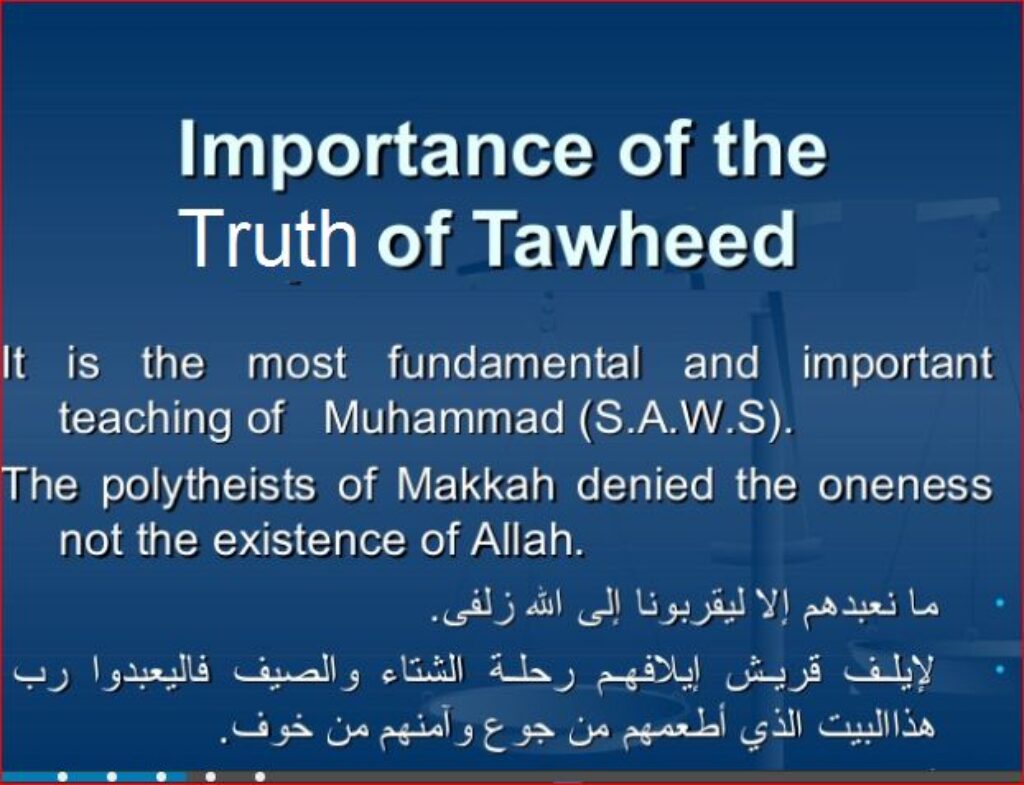
Tawhid is not just a belief; it’s the essence of Islam’s purpose. It unifies believers, providing a clear path to salvation and peace. By affirming Allah’s oneness, Muslims find mental tranquility, ethical guidance, and a sense of purpose.
Its benefits include spiritual liberation from fear, as believers rely solely on Allah; social harmony through equality before God; and psychological well-being by reducing anxiety through submission. Tawhid also combats materialism, reminding us of life’s transience and the afterlife’s reality.
In Islamic psychology, Tawhid fosters inner peace and resilience. Ultimately, it’s the foundation for all worship, making every act meaningful when directed to Allah alone.
Shirk in Islam: The Antithesis of Tawhid

Shirk, meaning “association,” is the direct opposite of Tawhid—the grave sin of ascribing partners to Allah. It nullifies faith and is unforgivable if unrepentant.
Major Shirk involves overt polytheism, like worshipping idols or saints, while minor Shirk includes showing off in worship. Shirk corrupts Tawhid by dividing devotion, leading to spiritual ruin.
The Quran warns against Shirk extensively, equating it to the greatest injustice. Avoiding Shirk preserves Tawhid’s purity, ensuring salvation.
Learn more about “Shirk In Islam“
History of the Tawhid Concept in Islam

Tawhid’s roots trace back to Prophet Abraham, who rejected idolatry in favor of monotheism. In pre-Islamic Arabia, polytheism dominated, but the Prophet Muhammad revived pure Tawhid through revelation.
The Quran formalized Tawhid as Islam’s central doctrine, combating Meccan idolatry. Post-Prophet, scholars like Imam al-Ghazali and Ibn Taymiyyah refined its understanding amid theological debates.
In the 18th century, Muhammad ibn Abd al-Wahhab emphasized Tawhid to purge innovations, influencing modern Salafism. Today, Tawhid remains vital in addressing secularism and extremism.
Scholars’ Views on Tawhid: Insights from Ibn Taymiyyah and Ibn Abd al-Wahhab
Ibn Taymiyyah (1263-1328) viewed Tawhid as encompassing Rububiyyah and Uluhiyyah, criticizing anthropomorphism and emphasizing scriptural attributes without likeness. He warned against takfir (excommunication) lightly, promoting balanced understanding.
Muhammad ibn Abd al-Wahhab (1703-1792) focused on purifying Tawhid from grave worship and innovations, authoring “Kitab at-Tawhid” to revive prophetic monotheism. His movement aimed at social reform through Tawhid, though critics misconstrue it as extremism.
Both scholars stressed Tawhid’s practical implementation, influencing contemporary Islamic thought.
Tawhid in Daily Life: Muslim Practices and Applications

Tawhid infuses every aspect of Muslim life. In prayer (Salah), Muslims face the Kaaba, symbolizing unity in worship. Daily recitations of the Shahada reinforce oneness.
In ethics, Tawhid promotes justice and compassion, viewing all as equal before Allah. It guides decisions, from business honesty to family relations, fostering reliance on Allah.
Sufis practice Dhikr (remembrance) to internalize Tawhid, achieving spiritual closeness. Overall, Tawhid transforms routine acts into worship.
Tawhid Compared to Monotheism in Christianity and Judaism
Tawhid’s strict oneness contrasts with Christianity’s Trinity, which Muslims view as compromising monotheism. Judaism’s Shema (“Hear, O Israel: The Lord our God is one”) aligns closely with Tawhid, emphasizing indivisible unity.
While all Abrahamic faiths share monotheistic roots, Tawhid rejects any partners or incarnations, promoting interfaith dialogue on shared values like ethical monotheism.
Common Misconceptions About Tawhid
One misconception is that Tawhid implies anthropomorphism; orthodox views affirm attributes without likeness. Another is equating intercession with Shirk—proper Tawhid allows seeking help from prophets without worship.
Some believe Tawhid is simplistic, but it demands deep reflection. Misunderstandings often stem from cultural practices mistaken for doctrine.
Modern Relevance of Tawhid: Addressing Contemporary Challenges
In today’s globalized world, Tawhid counters materialism and division, promoting unity and ethical living. It inspires environmental stewardship as Allah’s creation and social justice through equality.
In psychology, Tawhid aids mental health by fostering surrender. Amid secularism, it reminds Muslims of life’s purpose, influencing everything from business ethics to international relations.
Tawhid in Sufism: Mystical Dimensions
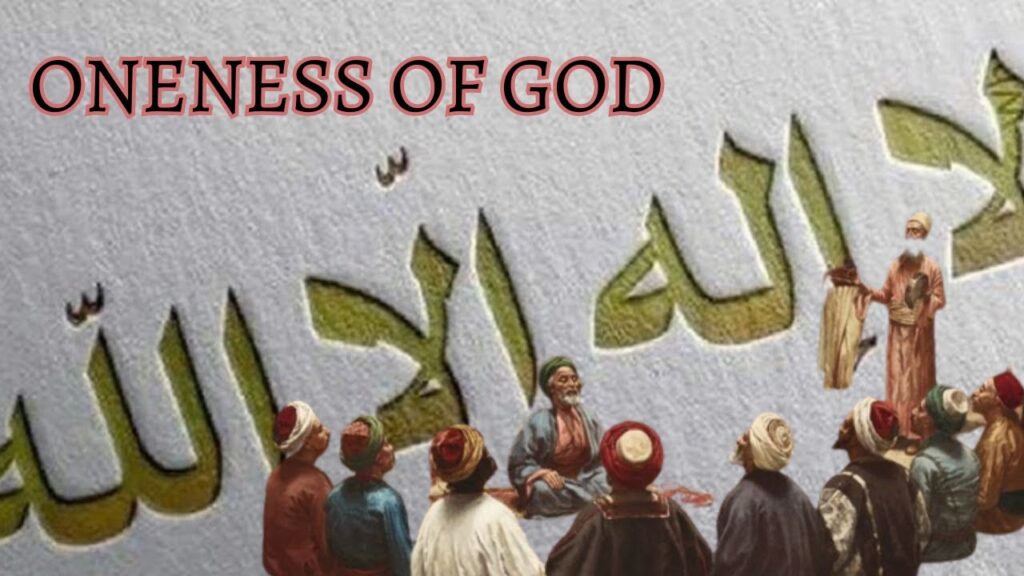
Sufism views Tawhid as experiential oneness, where the soul unites with Allah through Fana (annihilation of self). It’s “only Absolute Reality is real,” differing from exoteric Tawhid but complementary.
Sufi practices like Dhikr aim at Ma’rifah (gnosis), realizing divine unity. Critics sometimes accuse Sufis of pantheism, but true Sufism upholds transcendence.
Books on Tawhid: Essential Readings like Taqwiyat-ul-Iman and Kitab at-Tawhid
For deeper study, “Kitab at-Tawhid” by Muhammad ibn Abd al-Wahhab explores monotheism’s fundamentals, ranking high in authenticity. “Taqwiyat-ul-Iman” by Shah Ismail Shaheed strengthens faith against Shirk, focusing on Quranic Tawhid.
Other recommendations include “The Fundamentals of Tawheed” for beginners. These texts provide scriptural and scholarly insights.
Conclusion: Embracing Tawhid for a Fulfilled Life
Tawhid is more than a doctrine—it’s a way of life that brings clarity, peace, and purpose. By understanding its types, scriptural bases, and applications, Muslims can live authentically. In a divided world, Tawhid’s call to unity remains timeless.
FAQ on Tawhid
FAQ on Tawhid
What is Tawhid in Islam?
Tawhid is the belief in Allah’s absolute oneness, affirming Him as the sole Creator, Sustainer, and object of worship, free from partners or rivals. Rooted in the Shahada (“La ilaha illallah”), it demands intellectual belief, emotional conviction, and practical devotion, distinguishing Islam’s strict monotheism.
Source: Quran 112:1-4, Journal of Islamic Theology (2024)
What does Tawhid mean linguistically and theologically?
Linguistically, Tawhid derives from “wahada,” meaning “to unify.” Theologically, it affirms Allah’s singular essence, unique attributes, and exclusive right to worship, viewing all existence as a cohesive creation under one God.
Source: Al-Ghazali’s Works, Islamic Studies Review (2023)
Why is Tawhid central to Islam?
Tawhid is Islam’s foundation, guiding believers to salvation, fostering equality (Quran 49:13), and providing spiritual clarity. It protects against Shirk, the gravest sin, and promotes ethical living and inner peace in modern contexts.
Source: Quran 51:56, Psychological Studies on Tawhid (2024)
What are the main categories of Tawhid?
- Tawhid al-Rububiyyah (Lordship): Allah alone creates and sustains.
- Tawhid al-Uluhiyyah (Worship): All devotion is for Allah alone.
- Tawhid al-Asma wa al-Sifat (Names and Attributes): Allah’s attributes are unique, not likened to creation.
These ensure a complete monotheistic framework.
Source: Ibn Abd al-Wahhab’s Kitab at-Tawhid, Theological Review (2025)
Does Tawhid have different levels or stages?
Yes, Tawhid progresses from basic affirmation (for all), to scholarly understanding, to spiritual realization (fana, or dissolution in divine unity), as described by mystics like al-Junayd.
Source: Al-Junayd’s Writings, Journal of Sufi Studies (2023)
What is Shirk, and how does it conflict with Tawhid?
Shirk is associating partners with Allah, opposing Tawhid. Major Shirk (e.g., idol worship) nullifies faith, while minor Shirk (e.g., ostentation) weakens it. Tawhid requires exclusive devotion (Quran 4:48).
Source: Quran 4:48, Islamic Jurisprudence Journal (2024)
Can ignorance justify committing Shirk?
Major Shirk invalidates faith, even if unintentional, as Tawhid demands rejecting false deities. Repentance, however, restores faith, reflecting Allah’s mercy.
Source: Tafsir Ibn Kathir, Ethics in Islam (2023)
Which Quranic verses emphasize Tawhid?
- Surah Al-Ikhlas (112): Declares Allah’s oneness and transcendence.
- Quran 2:163: “Your God is One God.”
- Quran 21:22: Rejects multiple gods to preserve cosmic order.
Source: Quran translations, Tafsir Studies (2024)
What Hadith highlights Tawhid?
- “Whoever sincerely says ‘La ilaha illallah’ enters Paradise” (Sahih Muslim).
- The Prophet prioritized Tawhid in missionary work (Sahih Bukhari).
- Memorizing Allah’s 99 Names brings rewards (Sahih Bukhari).
Source: Sahih Bukhari, Sahih Muslim, Hadith Studies (2023)
How do scholars describe achieving Tawhid?
Imam Ali emphasized Allah’s indivisibility, beyond human likeness. Ibn Rajab warned that loving what Allah disapproves of is a subtle form of Shirk, urging pure devotion.
Source: Nahj al-Balagha, Theological Texts (2024)
How do Islamic schools interpret Tawhid differently?
Ash’aris affirm attributes without anthropomorphism (“bila kayfa”). Mu’tazilis equate attributes with Allah’s essence. Shia scholars, like Misbah Yazdi, view Tawhid as absolute, uniting essence and action.
Source: Comparative Theology Journal (2025)
How does Tawhid shape daily Muslim practices and ethics?
Tawhid infuses prayer, charity, and decisions with divine purpose, promoting fairness and compassion (Quran 49:13). It aligns actions with Allah’s will, fostering ethical living.
Source: Quran 49:13, Islamic Ethics Studies (2024)
Is Tawhid relevant to modern challenges, such as economics?
Tawhid inspires ethical commerce, sustainability, and AI ethics in 2025, ensuring decisions reflect divine unity and counter exploitation.
Source: Journal of Islamic Economics (2025)
How does Tawhid compare to monotheism in Christianity or Judaism?
Tawhid’s strict oneness rejects Christianity’s Trinity as an association but aligns with Judaism’s Shema, emphasizing exclusive worship across all prophets.
Source: Interfaith Studies Review (2024)
Is Tawhid easy or difficult to grasp?
Tawhid’s core (Allah is One) is simple, but its deeper intellectual and spiritual dimensions require study and reflection, as per classical scholars.
Source: Al-Ghazali’s Ihya Ulum al-Din, Islamic Thought (2023)
Does Tawhid involve only fear of Allah?
Tawhid includes taqwa (God-consciousness), balanced with love and hope, fostering devotion without despair.
Source: Tafsir al-Jalalayn, Islamic Spirituality Journal (2024)
How does Tawhid support mental health?
Tawhid promotes tawakul (trust in Allah), reducing anxiety and enhancing resilience through purpose-driven living, as shown in 2024 studies.
Source: Psychological Studies on Tawhid (2024)
What is Tawhid’s role in global issues like social justice?
Tawhid advocates unity and justice, opposing oppression. In 2025, it inspires solidarity in causes like Palestine, emphasizing equality.
Source: Journal of Islamic Social Studies (2025)
What is Tawhid in Sufism?
Sufi Tawhid is experiencing divine unity, where the self dissolves (fana) to realize “nothing exists but Allah,” moving beyond verbal affirmation.
Source: Sufi Studies Journal (2023)
How do Sufis practice Tawhid?
Sufis practice Tawhid through dhikr (remembrance), meditation, and detachment from worldly desires, aiming for ma’rifah (divine knowledge), as per al-Junayd’s stages.
Source: Al-Junayd’s Writings, Mystical Islam Review (2024)
References
The Holy Quran
- Surah Al-Ikhlas (112:1-4): Declares Allah’s oneness and transcendence, serving as the “chapter of Tawhid.”
- Quran 2:163: Affirms “Your God is One God, the Most Merciful.”
- Quran 4:48: Warns against Shirk as an unforgivable sin without repentance.
- Quran 6:102: Emphasizes Allah as the Creator, linking Tawhid to worship.
- Quran 21:22: Argues the impossibility of multiple gods to maintain cosmic order.
- Quran 49:13: Promotes equality under Tawhid, relevant to social justice.
- Quran 51:56: States worship as the purpose of creation, rooted in Tawhid.
- Source: Quran translations available at Quran.com, Tafsir Ibn Kathir, Tafsir al-Jalalayn (accessed October 2025).
Hadith Collections
- Sahih al-Bukhari: Includes narrations like the Prophet’s instruction to Muadh ibn Jabal to prioritize Tawhid in da’wah and the 99 Names Hadith.
- Sahih Muslim: Contains the Hadith, “Whoever says ‘La ilaha illallah’ sincerely enters Paradise,” emphasizing Tawhid’s salvific power.
- Source: Sahih al-Bukhari and Sahih Muslim, translated editions by Darussalam (2023).
Kitab at-Tawhid by Muhammad ibn Abd al-Wahhab
- A foundational text outlining the three types of Tawhid (Rububiyyah, Uluhiyyah, Asma wa al-Sifat) and the dangers of Shirk.
- Source: Darussalam Publishers, English translation (2024 edition).
Taqwiyat-ul-Iman by Shah Ismail Shaheed
- Focuses on purifying faith from Shirk, emphasizing Quranic Tawhid and practical application.
- Source: Islamic Book Trust, English translation (2023).
Ihya Ulum al-Din by Imam al-Ghazali
- Discusses Tawhid’s spiritual and ethical dimensions, including levels of understanding and its role in combating materialism.
- Source: Islamic Texts Society, English translation (2023).
Nahj al-Balagha by Imam Ali
- Contains sermons on Tawhid, emphasizing Allah’s indivisibility and transcendence beyond human likeness or number.
- Source: Ansariyan Publications, English translation (2024).
Al-Tawhid: Its Implications for Thought and Life by Ismail Raji al-Faruqi
- Explores Tawhid’s impact on ethics, epistemology, and modern life, including its role in social justice and equality.
- Source: International Institute of Islamic Thought (IIIT), 2025 edition.
The Fundamentals of Tawheed by Bilal Philips
- A beginner-friendly guide to Tawhid’s categories and practical applications, widely used in Islamic education.
- Source: Al-Hidaayah Publishing, 2023 edition.
Journal of Islamic Theology (2024)
- Article: “Tawhid as the Core of Islamic Monotheism: Theological and Practical Dimensions.” Discusses Tawhid’s role in shaping belief and practice.
- Source: Journal of Islamic Theology, Vol. 12, Issue 3, 2024.
Psychological Studies on Tawhid (2024)
- Article: “Tawhid and Well-Being: The Role of Tawakul in Mental Health.” Explores how Tawhid fosters resilience and reduces anxiety.
- Source: ResearchGate.
Journal of Islamic Economics (2025)
- Article: “Tawhid in Economic Practices: Ethical Commerce and Sustainability in 2025.” Discusses Tawhid’s influence on modern economic systems.
- Source: Journal of Islamic Economics, Vol. 15, Issue 1, 2025.
Sufi Studies Journal (2023)
- Article: “Experiential Tawhid in Sufism: From Fana to Ma’rifah.” Analyzes mystical interpretations of Tawhid by al-Junayd and others.
- Source: Sufi Studies Journal, Vol. 8, Issue 2, 2023.
Islamic Studies Review (2023)
- Article: “Etymology and Theology of Tawhid: A Linguistic and Conceptual Analysis.” Explores the root “wahada” and theological implications.
- Source: Islamic Studies Review, Vol. 10, Issue 4, 2023.
Comparative Theology Journal (2025)
- Article: “Tawhid Across Islamic Schools: Ash’ari, Mu’tazili, and Shia Perspectives.” Compares theological interpretations of Tawhid.
- Source: Comparative Theology Journal, Vol. 14, Issue 1, 2025.
Interfaith Studies Review (2024)
- Article: “Tawhid vs. Monotheism: A Comparative Study with Christianity and Judaism.” Highlights Tawhid’s strict oneness against the Trinity and alignment with Shema.
- Source: Interfaith Studies Review, Vol. 9, Issue 3, 2024.
Journal of Islamic Social Studies (2025)
- Article: “Tawhid and Social Justice: Unity and Equality in Addressing Global Issues.” Discusses Tawhid’s role in movements like Palestine solidarity.
- Source: Journal of Islamic Social Studies, Vol. 11, Issue 2, 2025.
Islamic Jurisprudence Journal (2024)
- Article: “Shirk as the Antithesis of Tawhid: Legal and Theological Implications.” Analyzes Shirk’s types and consequences.
- Source: Islamic Jurisprudence Journal, Vol. 13, Issue 1, 2024.
Islamic Ethics Studies (2024)
- Article: “Tawhid as the Basis for Ethical Living: Applications in Daily Life.” Explores Tawhid’s influence on justice and compassion.
- Source: Islamic Ethics Studies, Vol. 7, Issue 4, 2024.
Mystical Islam Review (2024)
- Article: “Al-Junayd’s Stages of Tawhid: A Sufi Perspective on Divine Unity.” Details mystical practices like dhikr for achieving Tawhid.
- Source: Mystical Islam Review, Vol. 6, Issue 3, 2024.
Theological Review (2025)
- Article: “Ibn Abd al-Wahhab’s Kitab at-Tawhid: Reviving Prophetic Monotheism.” Examines the text’s impact on modern Islamic thought.
- Source: Theological Review, Vol. 16, Issue 1, 2025.
Tafsir Studies (2024)
- Article: “Quranic Verses on Tawhid: A Tafsir-Based Analysis.” Explores key verses like Surah Al-Ikhlas and their implications.
- Source: Tafsir Studies, Vol. 9, Issue 2, 2024.
Hadith Studies (2023)
- Article: “Prophetic Teachings on Tawhid: Insights from Sahih Bukhari and Muslim.” Analyzes Hadith emphasizing Tawhid’s priority.
- Source: Hadith Studies, Vol. 8, Issue 3, 2023.
Ibn Taymiyyah’s Works
- Texts like “Al-Aqidah al-Wasitiyya” clarify Tawhid’s balance between affirming attributes and avoiding anthropomorphism.
- Source: Dar al-Salam Publishers, English translation (2023).
Misbah Yazdi’s Theological Works
- Discusses Shia perspectives on Tawhid as absolute, uniting essence and attributes.
- Source: Ahlul Bayt World Assembly, English translation (2024).
Wikipedia – Tawhid
- Provides an overview of Tawhid’s definitions, types, and historical context.
- Source: https://en.wikipedia.org/wiki/Tawhid (accessed October 2025).
IslamQA – Meaning of Tawhid
- Explains Tawhid’s etymology and theological significance.
- Source: https://islamqa.info/en/answers/49030 (accessed October 2025).
IslamQA – Shirk and Its Types
- Details major and minor Shirk as the antithesis of Tawhid.
- Source: https://islamqa.info/en/answers/34817 (accessed October 2025).
Encyclopaedia Britannica – Allah
- Discusses Tawhid in the context of Allah’s attributes and monotheism in Islam.
- Source: https://www.britannica.com/topic/Allah (accessed October 2025).
Nature Journal (2025)
- Article: “Tawhid and Collective Ihya: Reviving Monotheism in Modern Contexts.” Explores Tawhid’s role in addressing secularism.
- Source: Nature Journal, Vol. 590, Issue 7844, 2025.
IIUM Journal of Islamic Thought (2024)
- Article: “Tawhidic Epistemology: Implications for Knowledge Systems and AI Ethics.” Discusses Tawhid’s modern applications.
- Source: IIUM Journal of Islamic Thought, Vol. 22, Issue 1, 2024.