
Discover the brutal history of British colonial atrocities against Indian Muslims, from the 1857 rebellion to the Mopla uprising and beyond.
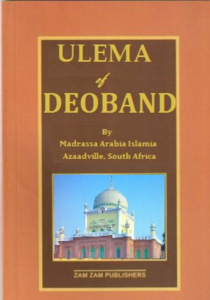
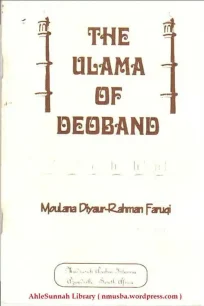
"The 'Ulama of Deoband – Their Majestic Past" is a widely referenced historical document and book originally transcribed from a lecture delivered by Maulana Zia-ur-Rahman Farooqi (often spelled Diyāur-Rahmān Fārūqī). The presentation was given at the Madrasah Jami'ah Siddiqiyyah in Bhawalpur on May 30, 1983 (9 Sha'ban 1403 A.H.). It was later translated into English and published by the Publication Department of Madrasah Arabia Islamia Azaadville in South Africa.
Overview of the Work The book serves as a historical overview and defense of the Deobandi paradigm, detailing the academic, spiritual, and anti-colonial history of the scholars associated with Darul Uloom Deoband.
Core Themes Covered in the Lecture
1. Preserves historical memory. It introduces readers to prominent Deobandi scholars, religious institutions, and their roles in the history of South Asia.
2. Highlights scholarly contributions. The book emphasizes religious education, Islamic scholarship, sacrifice, and resistance to colonial rule.
3. Strong inspirational value. Its appreciative tone may motivate readers to learn more about Islamic scholarship and the lives of religious scholars.
4. Broad historical coverage. Its subject matter extends beyond the founding of Darul Uloom Deoband to earlier scholars and wider political and religious developments.
5. Accessible introduction. Its lecture-based origins may make the narrative more approachable for general readers than a heavily academic history.
6. Useful for studying Deobandi perspectives. Even where interpretations require scrutiny, the book can help readers understand how the tradition presents and remembers its own history.
1. Potentially one-sided presentation. The celebratory framing may give greater attention to achievements and sacrifices than to internal disagreements, failures, or criticism.
2. Historical claims need verification. Significant claims, especially numerical estimates of executions, persecution, or political events, should be checked against original documents and independent historical research.
3. Insufficient source transparency may be a problem. If particular statements lack precise citations, readers may struggle to distinguish facts from later accounts or oral traditions.
4. Limited critical analysis. A narrative that emphasizes the greatness of its subjects may not fully explore competing interpretations or the historical context behind their decisions.
5. Possible confusion between fact and religious judgment. Assertions about piety, spiritual status, intentions, or religious orthodoxy require different standards of evaluation from claims about verifiable events.
6. Not sufficient as a standalone academic reference. Researchers should compare its claims with primary sources and independent histories rather than relying on it alone.
There are no reviews yet. Be the first one to write one.

Discover the brutal history of British colonial atrocities against Indian Muslims, from the 1857 rebellion to the Mopla uprising and beyond.