

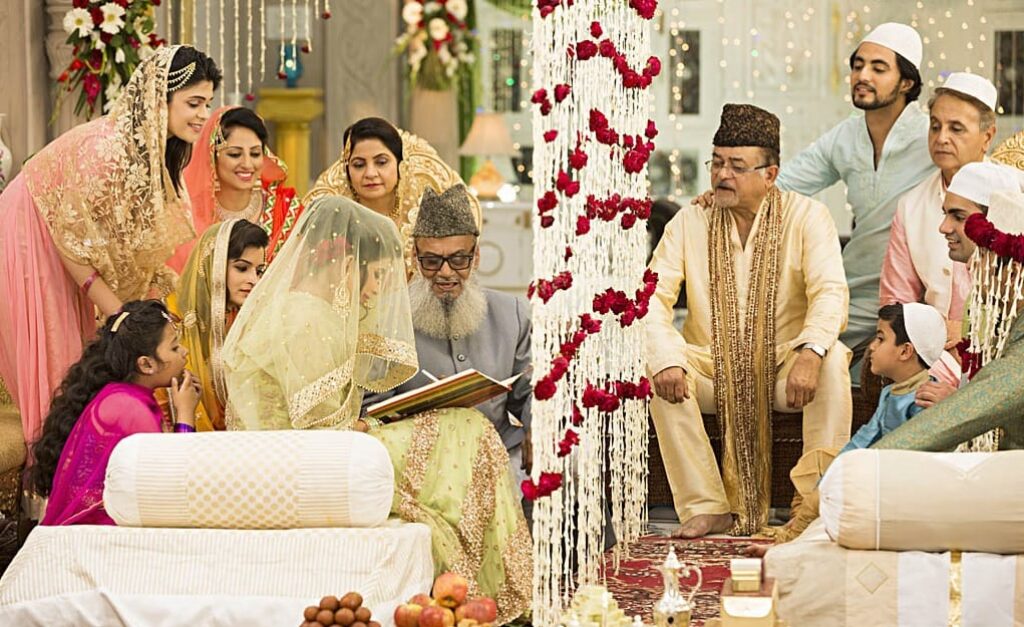
A Muslim wedding is a sacred union that blends the simplicity of the Nikah ceremony with the vibrancy of cultural traditions, uniting two individuals under Allah’s guidance. Rooted in Islamic principles of modesty, consent, and faith, it’s a celebration of love, commitment, and community.
This comprehensive guide explores every facet of a Muslim wedding, including the Muslim marriage ceremony, Islamic wedding traditions, Muslim wedding customs, Islamic wedding etiquette, Muslim wedding planning, and the spiritual dimensions that make it unique. Whether you’re a couple planning your wedding, a family member organizing the event, or curious about Islamic wedding traditions, this guide offers practical advice, cultural insights, and spiritual guidance to create a meaningful, faith-centered celebration.
What Is a Muslim Wedding?
A Muslim wedding revolves around the Nikah ceremony, the Islamic marriage contract that formalizes the union between a bride and groom. The word “Nikah” means “contract” in Arabic, signifying a sacred agreement based on mutual consent, faith, and responsibility. The Quran describes marriage as a source of tranquility: “Among His signs is that He created for you spouses from among yourselves, so you may find tranquility in them, and He placed between you affection and mercy” (Surah Ar-Rum 30:21).
Unlike extravagant secular weddings, a Muslim marriage ceremony prioritizes simplicity, modesty, and spiritual significance, though cultural practices add color and festivity. The Nikah involves key elements like consent, a dowry (mahr), witnesses, and a public announcement, ensuring compliance with Islamic law (Shariah). Celebrations vary across cultures—Arab, South Asian, African, Southeast Asian, or Western—but the Nikah remains the universal core, binding the couple in faith and love.
Spiritual Preparation for a Muslim Wedding
From an Islamic perspective, a Muslim wedding is not just a social event but a spiritual milestone that completes “half of one’s faith,” as the Prophet Muhammad (PBUH) said: “Whoever marries has completed half of his religion, so let him fear Allah in the other half” (Sunan Al-Tirmidhi). Preparing spiritually ensures the couple enters marriage with a strong foundation.
1. Seeking Allah’s Guidance (Istikhara)
- Couples and families often perform Salat al-Istikhara (prayer for guidance) to seek Allah’s blessing in choosing a spouse. This involves two rak’ahs of prayer followed by a specific dua, asking for clarity in the decision (Sahih Al-Bukhari).
- Istikhara reflects trust in Allah’s wisdom, ensuring the marriage aligns with divine will.
2. Strengthening Faith
- Couples should deepen their knowledge of Islamic marriage principles through Quran study and Hadith, focusing on verses like Surah An-Nisa (4:1), which emphasizes mutual respect.
- Attending premarital counseling with an imam or scholar can clarify responsibilities, such as the husband’s role as a provider and the wife’s role in nurturing the home.
3. Repentance and Purification
- Before marriage, couples are encouraged to seek forgiveness (tawbah) for past sins, purifying their hearts for a blessed union.
- Engaging in acts of worship, such as fasting or charity, prepares the soul for the sacred commitment.
4. Setting Intentions
- The intention (niyyah) for marriage should be to please Allah, build a righteous family, and fulfill mutual duties, as advised in Fiqh us-Sunnah: “Marry those who are righteous, for they will be your partners in faith.”
This spiritual groundwork ensures the couple approaches the Muslim marriage ceremony with sincerity and devotion.
Key Elements of the Nikah Ceremony
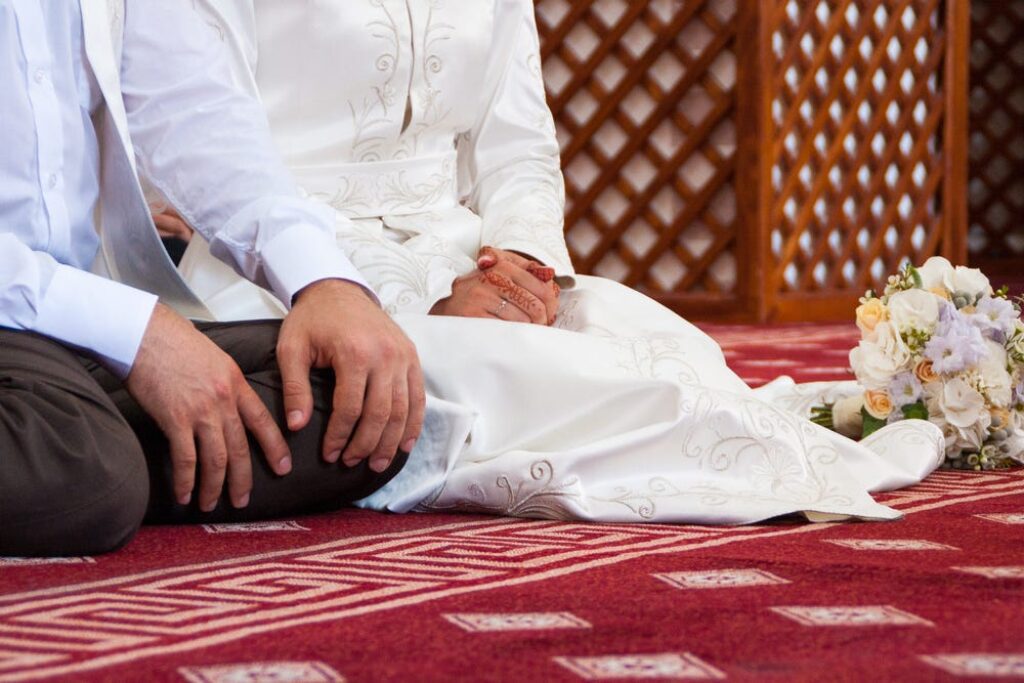
The Nikah ceremony is the cornerstone of a Muslim wedding, embodying Islamic values of consent, responsibility, and community. Its components are:
1. Mutual Consent
- Both bride and groom must freely consent to the marriage, confirmed directly or through the bride’s guardian (wali). The Quran states: “Do not prevent them from marrying their husbands if they mutually agree” (Surah Al-Baqarah 2:232).
- Consent ensures no coercion, reflecting Islam’s emphasis on free will.
2. Mahr (Dowry)
- The groom offers a mandatory gift (mahr) to the bride, such as money, jewelry, or property, symbolizing his commitment. The Quran mandates: “Give women their dowries graciously” (Surah An-Nisa 4:4).
- Mahr can be immediate or deferred, agreed upon by both parties.
3. Witnesses and Officiant
- Two adult Muslim male witnesses (or one male and two females in some schools) validate the contract.
- An imam or scholar conducts the ceremony, delivering a khutbah (sermon) on marriage’s virtues, often citing Surah Al-Furqan (25:74): “Grant us spouses and offspring who will be the comfort of our eyes.”
4. Public Announcement
- The marriage is publicized to ensure transparency, often followed by a walima (wedding feast), as the Prophet (PBUH) said: “Publicize the marriage” (Sahih Muslim).
5. Nikah Nama (Contract)
- The marriage contract is signed, outlining terms like mahr and mutual obligations, formalizing the union.
The Nikah can be held in a mosque, home, or venue, keeping simplicity at its core while allowing cultural embellishments.
Islamic Wedding Traditions
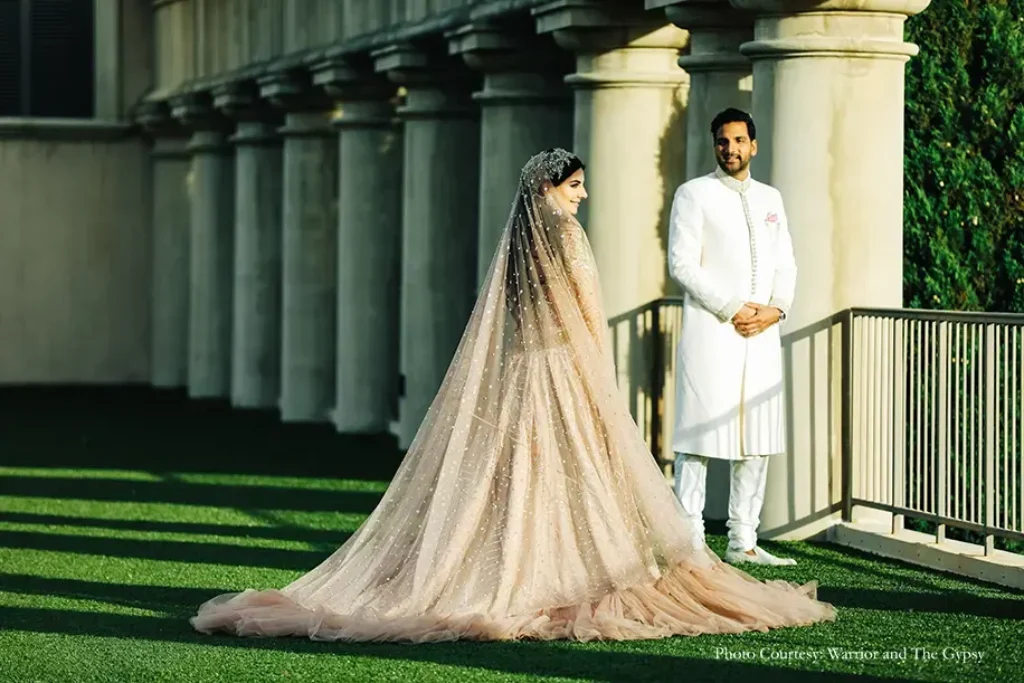
Islamic wedding traditions merge religious obligations with cultural expressions, varying by region but unified by faith. Common traditions include:
Pre-Wedding Rituals
- Proposal (Khutbah): The groom’s family visits the bride’s family to propose, often with gifts like sweets or flowers, fostering goodwill. Istikhara may be performed to seek divine guidance.
- Engagement (Mangni): A non-mandatory cultural event where rings are exchanged, and families pray for the couple’s future, often reciting Surah Al-Fatiha (1:1-7).
- Mehndi/Henna Night: Popular in South Asian and Arab cultures, the bride’s hands and feet are adorned with henna, accompanied by music, dance, and prayers. The henna’s darkness symbolizes love and family bonds.
- Dua Gatherings: Families hold prayer sessions, reciting verses like Surah Al-Ahzab (33:35) for blessings.
Wedding Day Traditions
- Nikah Ceremony: Includes Quranic recitations, the khutbah, Ijab (offer) and Qubul (acceptance), and dua for the couple’s happiness.
- Walima: A post-Nikah feast hosted by the groom, fulfilling the Prophetic tradition: “Hold a walima, even if with one sheep” (Sahih Al-Bukhari).
- Bridal Entrance: In some cultures, the bride enters under a canopy or with family, symbolizing her transition.
Post-Wedding Rituals
- Rukhsati: In South Asian weddings, the bride departs to the groom’s home with prayers and farewells.
- First Prayer Together: The couple prays together, seeking Allah’s blessings, a practice rooted in Hadith emphasizing shared worship.
Muslim Wedding Customs Across Cultures
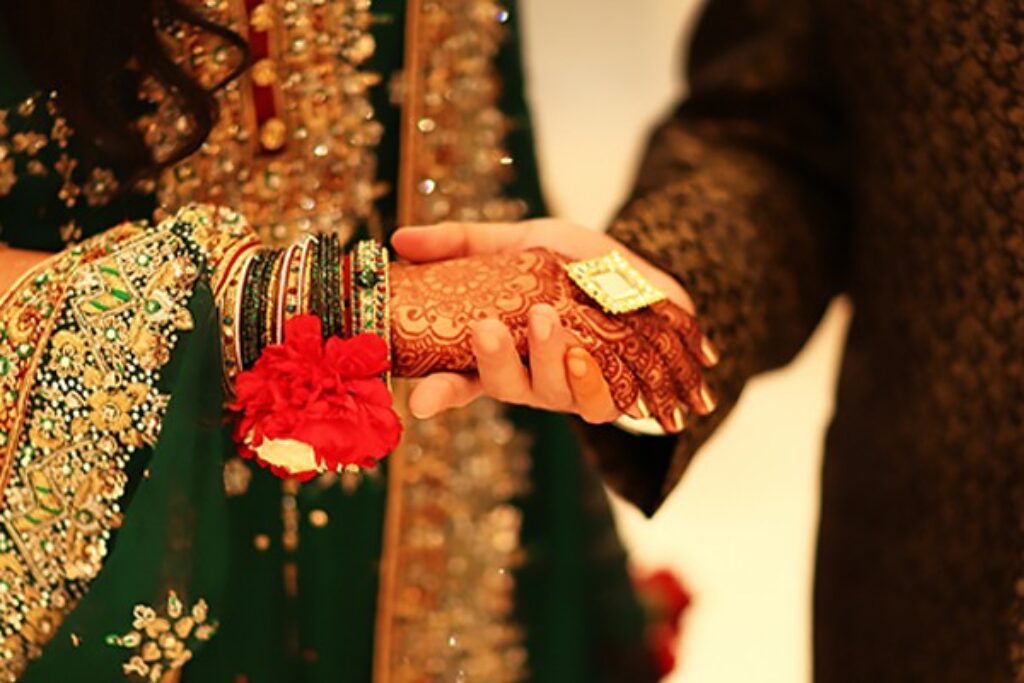
Muslim wedding customs reflect global diversity while adhering to Islamic principles:
- Arab Weddings: Feature zaffa processions with music and drums, lavish walima feasts with dishes like kabsa, and Quranic recitations.
- South Asian Weddings: Include vibrant mehndi nights, baraat (groom’s procession), and multi-day events with colorful attire like lehengas or sherwanis.
- African Muslim Weddings: Emphasize community, with tribal dances and communal prayers, as in Nigerian Hausa or Somali weddings.
- Southeast Asian Weddings: In Malaysia and Indonesia, couples wear ornate attire, and adat rituals complement the Nikah.
- Western Muslim Weddings: Blend Islamic elements with modern trends, like minimalist ceremonies in banquet halls with halal catering.
- Turkish Weddings: Feature Kina Gecesi (henna night) with traditional dances and Sadaq (formal mahr agreement).
- Central Asian Weddings: In Uzbekistan, weddings include pilaf ceremonies and blessings by elders, reflecting nomadic heritage.
These customs enrich the Muslim wedding while maintaining modesty and faith.
Islamic Wedding Etiquette
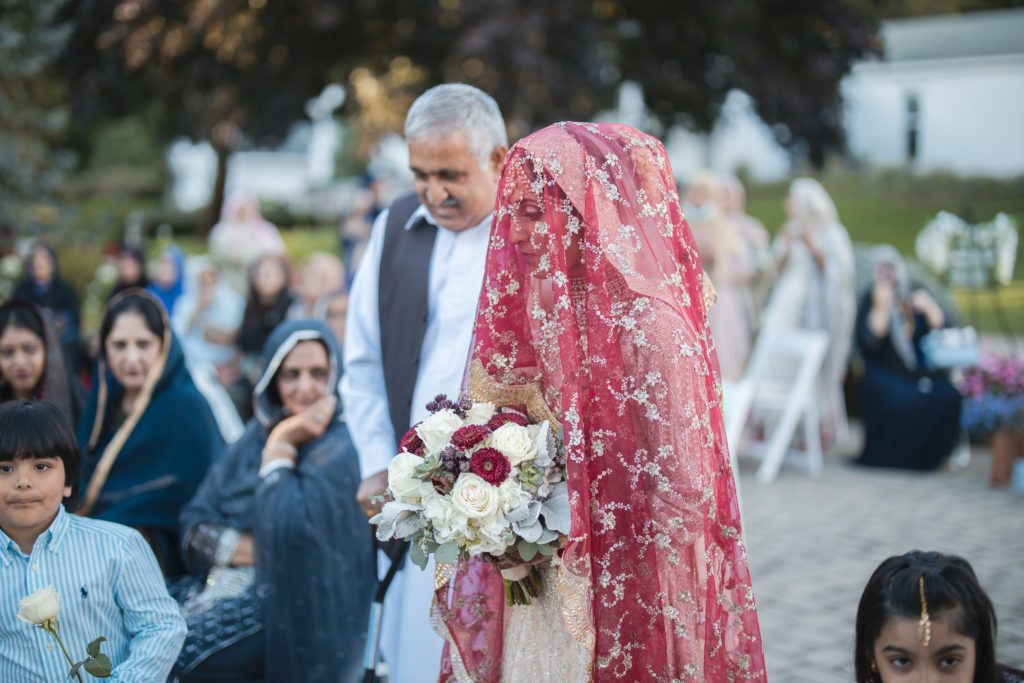
Islamic wedding etiquette ensures the event honors Islamic values:
- Modesty: Attire should cover the body (except face and hands for women, per hijab guidelines; modest clothing for men). Avoid revealing or tight outfits.
- Gender Segregation: Many weddings separate men and women during dining or dancing to uphold modesty.
- Respectful Behavior: Avoid alcohol, inappropriate music, or extravagance, aligning with the Prophet’s advice: “The best marriage is the simplest” (Sunan Ibn Majah).
- Gift-Giving: Guests offer gifts or money discreetly to support the couple.
- Punctuality: Arrive on time for the Nikah to honor its sacred nature.
- Participation in Dua: Join prayers for the couple, fostering community spirit.
The Role of Family and Community in Muslim Weddings
From an Islamic perspective, family and community play a pivotal role in a Muslim wedding, reflecting the Quranic emphasis on collective responsibility: “The believers are but a single brotherhood” (Surah Al-Hujurat 49:10). Their involvement ensures the marriage is a communal blessing.
1. Family Support
- Guardianship (Wali): The bride’s guardian (usually her father or male relative) ensures her consent and well-being, acting as her advocate during the Nikah.
- Mediation: Families facilitate discussions on compatibility, mahr, and expectations, fostering harmony.
- Emotional Guidance: Elders offer wisdom, drawing on Hadith like: “Choose for your daughters those who are righteous” (Sunan Ibn Majah).
2. Community Involvement
- Witnesses: Community members serve as witnesses, ensuring transparency and accountability.
- Walima Participation: The community joins the walima, sharing in the couple’s joy and offering blessings, as recommended in Sahih Muslim.
- Charitable Acts: Inviting the less fortunate to the walima reflects Islamic values of generosity (Surah Ad-Duha 93:10).
3. Spiritual Role
- Families and community members lead dua sessions, praying for the couple’s righteousness and prosperity, as in Surah Al-Furqan (25:74).
- Scholars or imams guide the couple, reinforcing marriage as a partnership in faith.
This collective support strengthens the marriage’s foundation, embedding it in a network of love and faith.
Muslim Wedding Planning: A Step-by-Step Guide
Muslim wedding planning balances Islamic requirements with cultural and personal preferences. Here’s a detailed guide:
1. Set a Budget
- Prioritize simplicity, as the Prophet (PBUH) warned against extravagance (Sahih Al-Bukhari). Budget for venue, catering, attire, mahr, and walima.
- Allocate funds for charitable acts, like feeding the poor, aligning with Islamic values.
2. Choose a Venue
- Options include mosques, community centers, or banquet halls with spaces for gender segregation.
- Book early for popular dates (e.g., post-Ramadan, summer). Ensure prayer areas are available.
3. Plan the Nikah
- Hire an imam or scholar to officiate, ensuring a khutbah and dua.
- Arrange witnesses and finalize the mahr agreement in advance.
- Decide if the Nikah is separate or combined with the reception.
4. Organize the Walima
- Plan a halal feast, from simple home-cooked meals to catered banquets with dishes like biryani or kabsa.
- Include vegetarian options and avoid prohibited items like alcohol.
5. Select Attire
- Brides choose modest gowns, lehengas, or shararas with hijab; grooms opt for sherwanis, thobes, or suits. Ensure coverage aligns with Islamic wedding etiquette.
- Coordinate colors (e.g., gold, ivory) for a cohesive look.
6. Invite Guests
- Send invitations specifying dress code and segregation details.
- Use digital or printed invites with RSVP options for accurate planning.
7. Incorporate Cultural Traditions
- Add mehndi, zaffa, or rukhsati, ensuring they align with Islamic principles. Consult scholars if unsure.
- Include cultural foods (e.g., gulab jamun, baklava) to reflect heritage.
8. Plan Photography/Videography
- Hire professionals familiar with Islamic etiquette, respecting privacy during segregated events.
- Focus on modest poses and family-oriented shots.
9. Decor and Ambiance
- Use soft colors (e.g., blush pink, emerald green) or cultural motifs (e.g., jasmine, marigolds) for decor.
- Incorporate Quranic calligraphy or lanterns for a spiritual touch.
- Create a “wishing tree” for guests to leave blessings, adding a personal element.
10. Spiritual Preparation
- Encourage the couple to perform Istikhara and attend premarital counseling.
- Arrange Quranic recitations or dua sessions to bless the event.
Post-Wedding Responsibilities in Islam
From an Islamic perspective, a Muslim wedding marks the start of lifelong responsibilities that strengthen the marriage and please Allah. These duties, rooted in the Quran and Sunnah, ensure a harmonious partnership:
1. Mutual Rights and Duties
- Husband’s Responsibilities: Provide financial support (nafaqah), treat the wife kindly, and protect her honor (Surah An-Nisa 4:34). The Prophet (PBUH) said: “The best of you are those who are best to their wives” (Sunan Al-Tirmidhi).
- Wife’s Responsibilities: Support the husband in righteousness, manage the household, and nurture family bonds, as advised in Riyad as-Salihin.
- Mutual Respect: Both must show compassion and mercy, as per Surah Ar-Rum (30:21).
2. Building a Righteous Family
- Couples should pray together, read the Quran, and raise children with Islamic values (Surah At-Tahrim 66:6).
- Engage in charity and community service to reflect faith in action.
3. Resolving Conflicts
- Address disputes with patience and consultation, as the Quran advises: “If you fear a breach between them, appoint arbitrators” (Surah An-Nisa 4:35).
- Seek scholarly guidance to maintain harmony.
4. Continuous Spiritual Growth
- Attend Islamic classes or study circles to deepen faith.
- Celebrate milestones (e.g., anniversaries) with dua and gratitude, saying “Alhamdulillah” for the marriage’s blessings.
These responsibilities ensure the marriage fulfills its spiritual purpose, fostering a life of faith and love.
Benefits of a Muslim Wedding
A Muslim wedding offers profound benefits:
- Spiritual Fulfillment: Completes half of one’s faith (Sunan Al-Tirmidhi), strengthening devotion.
- Community Unity: Unites families and friends, fostering bonds through shared prayers and celebrations.
- Moral Foundation: Emphasizes consent, modesty, and responsibility, setting a strong marital foundation.
- Cultural Richness: Blends Islamic principles with diverse traditions, creating memorable celebrations.
FAQs About Muslim Weddings
- What is a Muslim wedding?
A Muslim wedding centers on the Nikah, a marriage contract based on consent, mahr, and Islamic principles, often followed by cultural celebrations. - What is the Nikah ceremony?
The Nikah is the Islamic marriage contract, involving consent, mahr, witnesses, and a sermon, formalizing the union. - What are common Muslim wedding customs?
Customs include mehndi nights, walima feasts, zaffa processions, and rukhsati, varying by culture. - What is Islamic wedding etiquette?
Includes modest attire, gender segregation, respectful behavior, and avoiding un-Islamic practices like alcohol. - What is the role of mahr?
Mahr is a mandatory gift from the groom to the bride, symbolizing commitment and responsibility. - How do Muslim weddings differ across cultures?
Arab weddings feature zaffa, South Asian weddings include mehndi, and Western weddings blend modern elements, but all prioritize the Nikah. - Can non-Muslims attend a Muslim wedding?
Yes, if they respect Islamic etiquette, such as modest dress and segregation. - What should guests wear?
Modest attire (e.g., long dresses with hijab for women, suits or thobes for men), avoiding revealing clothing. - How can I plan a modest Muslim wedding?
Focus on simplicity, halal catering, modest attire, and Islamic rituals like Nikah and walima. - What is the walima?
A post-Nikah feast hosted by the groom to celebrate and publicize the marriage. - How does Istikhara fit into wedding planning?
Istikhara is a prayer for guidance to ensure the marriage aligns with Allah’s will. - What are the couple’s responsibilities after marriage?
Include mutual respect, financial support, raising a righteous family, and continuous spiritual growth.
Conclusion
A Muslim wedding is a sacred celebration that unites faith, love, and community through the Nikah ceremony and vibrant Muslim wedding customs. By adhering to Islamic wedding traditions and etiquette, couples create a meaningful event that honors Allah. From spiritual preparation to post-wedding responsibilities, Muslim wedding planning ensures a balance of simplicity and joy. Whether you’re planning a wedding or seeking cultural insights, this guide offers a roadmap to a blessed union.
References
- Quran: Surah Ar-Rum (30:21), Surah Al-Baqarah (2:232), Surah An-Nisa (4:1, 4:4, 4:34, 4:35), Surah Al-Furqan (25:74), Surah Al-Hujurat (49:10), Surah At-Tahrim (66:6), Surah Ad-Duha (93:10).
- Hadith: Sahih Al-Bukhari, Sahih Muslim, Sunan Ibn Majah, Sunan Al-Tirmidhi.
- Scholarly Works: Fiqh us-Sunnah (As-Sayyid Sabiq), Riyad as-Salihin (Al-Nawawi), Ihya Ulum al-Din (Al-Ghazali).
- Sources: IslamQA.info, SeekersGuidance.org.