

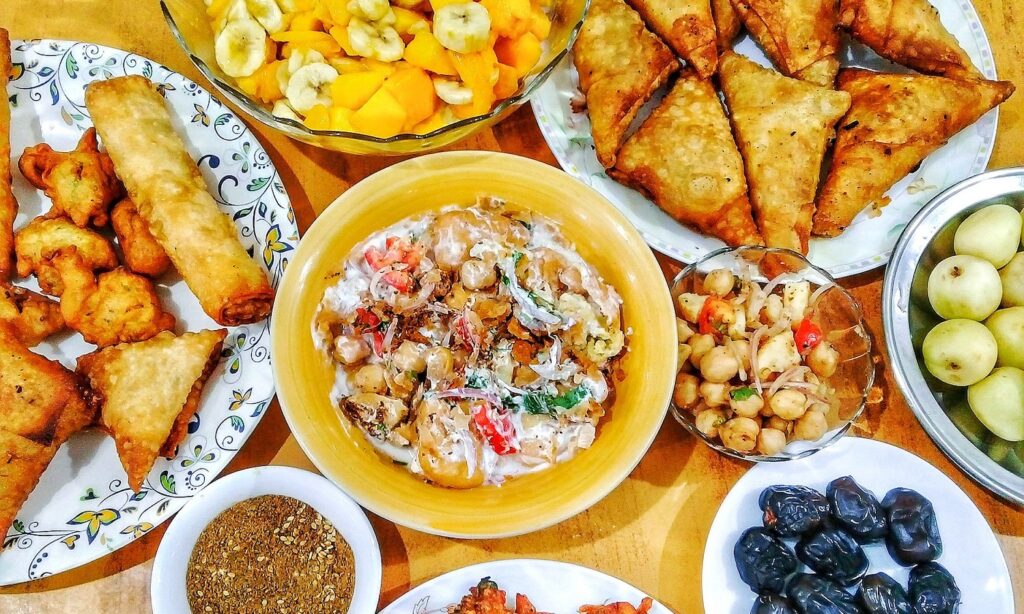
Ramadan, the ninth month of the Islamic lunar calendar, is a sacred time for Muslims worldwide, marked by fasting (sawm), prayer, and spiritual reflection. Islamic dietary laws during Ramadan elevate eating into an act of worship, blending discipline with gratitude. Rooted in the Quran and the Sunnah (teachings of Prophet Muhammad, peace be upon him), these laws govern fasting from dawn to sunset and guide the preparation of suhoor (pre-dawn meal) and iftar (meal to break the fast). They emphasize halal (permissible) and tayyib (wholesome) foods, ensuring nourishment aligns with faith.
Table of Contents
ToggleThis comprehensive guide explores Ramadan’s dietary laws, practical tips for fasting, Sunnah-inspired meal ideas, and considerations for Eid celebrations. It targets Muslims seeking to enhance their Ramadan experience and others curious about faith-based fasting. Whether you’re planning meals or navigating exemptions, this article offers actionable insights for a spiritually and physically fulfilling month.
By the end, you’ll see how Ramadan’s dietary practices transform hunger into devotion, making every bite a prayer. Let’s dive into the heart of fasting and feasting in Ramadan.
The Spiritual and Dietary Significance of Ramadan
Ramadan is one of Islam’s five pillars, a month of fasting, charity, and closeness to Allah. Surah Al-Baqarah (2:183) mandates: “O you who have believed, decreed upon you is fasting as it was decreed upon those before you that you may become righteous.” Fasting (sawm) involves abstaining from food, drink, and intimacy from dawn (fajr) to sunset (maghrib), fostering self-discipline, empathy for the less fortunate, and spiritual purification.
Dietary laws during Ramadan build on Islamic principles of halal and tayyib, as outlined in Quran 2:168: “Eat from whatever is on earth [that is] lawful and good.” Meals must be halal—free from prohibited items like pork or alcohol—and tayyib, meaning nutritious, ethically sourced, and pure. The Prophet’s practices guide suhoor and iftar, emphasizing simplicity and moderation. A hadith states: “The Prophet would break his fast with dates and water before praying.” This sets a model for mindful eating, turning meals into acts of worship.
Ramadan’s dietary laws also accommodate exemptions for travelers, the ill, pregnant women, and others, reflecting Islam’s mercy (Quran 2:184). These guidelines ensure fasting and feasting align with spiritual and physical well-being.
Learn more about “Islamic Dietary Principles and Laws: A Complete Guide to Halal Eating
Fasting Rules: Islamic Dietary Laws in Ramadan
Fasting in Ramadan follows strict dietary laws, rooted in divine guidance and Prophetic tradition.
Core Rules of Fasting
- Abstinence: From dawn to sunset, Muslims refrain from food, drink (including water), smoking, and intimacy (Quran 2:187). Even small amounts, like a sip of water, break the fast.
- Intention (Niyyah): Fasting requires a sincere intention, made before dawn, to fast for Allah’s sake. A common du’a is: “I intend to fast for the sake of Allah.”
- Permissible Actions: Swallowing saliva, brushing teeth (without ingesting), or unintentional tasting (e.g., while cooking) do not invalidate the fast, per scholarly consensus.
- Breaking the Fast: Iftar begins at sunset with a du’a, such as: “O Allah, for You I have fasted, and with Your provision I break my fast.” Dates and water, per Sunnah, are preferred.
What Breaks the Fast?
- Intentional eating or drinking, even a small amount.
- Intimacy during fasting hours.
- Vomiting intentionally or taking nourishment via injection.
- Menstruation or postpartum bleeding (exempts women from fasting, to be made up later).
Exemptions and Flexibility
Quran 2:184 allows exemptions for those unable to fast due to illness, travel, pregnancy, nursing, or old age. They may:
- Make up missed fasts later (qada).
- Pay fidya (feeding a poor person per missed day) if unable to make up fasts, especially for the elderly or chronically ill.
Madhhab Variations:
- Hanafi: Strict on intentional breaking requiring 60 consecutive fasts (kaffara) if without excuse. Emphasize precise timing for suhoor and iftar.
- Maliki, Shafi’i, Hanbali: Similar but allow flexibility in timing (e.g., slight delay in iftar doesn’t invalidate). Maliki permits fidya for pregnant/nursing women without makeup fasts.
- Shi’a: Align with Hanafi on kaffara but require specific du’a for intention. Pregnant/nursing women prioritize health, often paying fidya.
These rules balance discipline with compassion, ensuring fasting is accessible.
Suhoor: Preparing for a Day of Fasting
Suhoor, the pre-dawn meal, sustains energy during fasting. The Prophet said, “Eat suhoor, for in suhoor there is blessing.” This meal should be halal, tayyib, and balanced.
Guidelines for Suhoor
- Timing: Before dawn (fajr), ideally close to sunrise for barakah (blessing).
- Foods: Choose nutrient-dense, slow-digesting foods:
- Complex Carbs: Oats, barley, or whole-grain bread for sustained energy.
- Protein: Eggs, yogurt, or halal chicken for satiety.
- Hydration: Water, milk, or hydrating fruits like watermelon.
- Sunnah Foods: Dates (Quran 19:25) or honey (Quran 16:69) for energy.
- Moderation: Avoid overeating, per the Prophetic one-third rule: “One-third for food, one-third for drink, one-third for air.”
- Madhhab Note: All schools emphasize suhoor’s importance; Hanafi/Shi’a stress halal ingredients, while Maliki/Shafi’i allow flexibility with kosher substitutes in necessity.
Sample Suhoor Meal Plan
- Oatmeal with Dates: Cook oats with halal milk, top with dates and nuts.
- Egg and Veggie Scramble: Eggs with spinach, tomatoes, and whole-grain toast.
- Hydrating Smoothie: Blend watermelon, yogurt, and honey.
Health Benefits: Slow-digesting carbs prevent energy crashes; hydration reduces fatigue. Studies show balanced suhoor meals improve insulin sensitivity during fasting.
Iftar: Breaking the Fast with Gratitude
Iftar, the meal to break the fast at sunset, is a moment of gratitude and community. The Prophet’s practice was simple: “He would break his fast with dates and water before praying.”
Guidelines for Iftar
- Timing: Begin at maghrib (sunset) with a du’a.
- Foods: Start with Sunnah foods, then balance with:
- Hydration: Water, milk, or fruit juices to rehydrate.
- Carbs: Rice, bread, or pasta for energy restoration.
- Protein: Zabiha chicken, fish, or lentils for muscle repair.
- Vegetables: Salads or cooked greens for vitamins.
- Moderation: Avoid heavy, fried foods to prevent digestive strain.
- Madhhab Note: Hanafi/Shi’a require zabiha meat; Maliki/Shafi’i/Hanbali may accept kosher in necessity (Quran 5:5).
Sample Iftar Meal Plan
- Starter: 3–5 dates, water, or milk.
- Main: Grilled zabiha chicken, rice, and cucumber salad.
- Soup: Lentil soup with olive oil (Quran 24:35).
- Dessert: Fruit platter with honey drizzle.
Health Benefits: Dates provide quick sugars; balanced meals restore nutrients. Research suggests that breaking fasts with dates stabilizes blood sugar.
Nutritional Strategies for Ramadan Fasting
Maintaining health during Ramadan requires strategic eating to support fasting’s physical demands.
Hydration
- Drink 8–10 glasses of water between iftar and suhoor. Avoid caffeinated drinks, which dehydrate.
- Include hydrating foods: watermelon, cucumbers, and soups.
Balanced Nutrition
- Carbs: Whole grains (barley, quinoa) for energy.
- Protein: Zabiha meat, eggs, or legumes for satiety.
- Fats: Olive oil or nuts for sustained energy.
- Vitamins/Minerals: Sea moss (92 minerals) or leafy greens.
Avoiding Common Pitfalls
- Overeating: Follow the Prophetic one-third rule to prevent bloating.
- Sugary Foods: Limit sweets to avoid energy spikes.
- Fried Foods: Opt for grilled or baked to ease digestion.
Madhhab Note: Hanafi/Shi’a emphasize zabiha proteins; Maliki/Shafi’i allow broader sources if halal-certified.
Health Benefits: Balanced meals enhance energy, reduce fatigue, and support detoxification, aligning with fasting’s spiritual cleanse.
Eid Celebrations: Feasting with Moderation
Eid al-Fitr, marking Ramadan’s end, and Eid al-Adha involve halal feasts, reflecting joy and gratitude. Dietary laws remain, emphasizing zabiha and tayyib.
Eid al-Fitr Feasting
- Foods: Zabiha lamb, rice dishes, sweets like baklava (use agar-agar, not gelatin).
- Guidelines: Share food with family and the poor (Quran 22:36). Moderation prevents overindulgence.
- Sample Menu: Zabiha lamb biryani, vegetable curry, date cookies.
Eid al-Adha Feasting
- Foods: Sacrifice meat (e.g., lamb, goat) is central, distributed to family and charity.
- Guidelines: Ensure zabiha slaughter; avoid waste (Quran 17:27).
- Sample Menu: Grilled zabiha goat, flatbread, pomegranate salad.
Madhhab Variations:
- Hanafi/Shi’a: Require Muslim slaughterers for Eid sacrifice; strict on zabiha.
- Maliki/Shafi’i/Hanbali: Accept Ahl al-Kitab slaughter in necessity, focusing on distribution.
Health Note: Balanced feasts with vegetables and moderation align with Tayyib principles.
Madhhab Variations in Ramadan Dietary Practices
Madhhab differences shape Ramadan practices, particularly around fasting and feasting.
- Hanafi: Strict on zabiha for iftar and Eid; suhoor must be halal-certified. Kaffara for intentional breaking is 60 fasts. Timing is precise.
- Maliki: Flexible on Ahl al-Kitab meat for iftar/Eid; fidya for pregnant/nursing women without makeup fasts. Emphasizes accessibility.
- Shafi’i: Similar to Maliki, allows kosher substitutes; focuses on intention and charity in feasts.
- Hanbali: Balances strictness with practicality; prefers traditional zabiha but permits necessity-based leniency.
- Shi’a: Requires Muslim-sourced zabiha; specific du’a for fasting intention. Pregnant/nursing women prioritize health, often paying fidya.
These variations allow Muslims to adapt practices to their context while upholding Ramadan’s spirit.
Learn more about “Islamic Dietary Practices and Guidelines: How to Eat Halal Every Day“
Practical Tips for Ramadan Fasting and Feasting
- Plan Suhoor: Choose slow-digesting foods (oats, eggs); hydrate well.
- Break Fast Mindfully: Start with dates and water, per Sunnah.
- Balance Iftar: Include carbs, protein, and vegetables; avoid fried foods.
- Stay Hydrated: Drink water between iftar and suhoor.
- Verify Halal: Ensure zabiha meat, per madhhab; check certifications.
- Cook Sunnah-Inspired: Try lentil soup or date smoothies.
- Consult Scholars: Clarify madhhab-specific rules (e.g., Hanafi on zabiha).
Health and Spiritual Benefits of Ramadan Fasting
Physical Benefits
- Detoxification: Fasting promotes liver and gut cleansing.
- Insulin Sensitivity: Balanced suhoor/iftar improves blood sugar control.
- Weight Management: Moderation prevents overeating, per Sunnah.
Spiritual Benefits
Fasting fosters taqwa (God-consciousness), empathy, and gratitude. Ibn Sina noted: “Pure food and fasting clear the heart for worship.” Eating halal-tayyib enhances spiritual focus.
Madhhab Note: All schools emphasize fasting’s spiritual rewards, with Hanafi/Shi’a stressing strict halal adherence for maximum purity.
Conclusion: Ramadan as a Journey of Nourishment
Islamic dietary laws during Ramadan transform fasting and feasting into acts of worship. From Quranic mandates to fast (2:183) to the Prophet’s simple iftar of dates, these laws guide Muslims toward spiritual and physical renewal. Whether preparing suhoor, breaking fast with gratitude, or celebrating Eid, halal-tayyib eating aligns faith with health. Start small: say Bismillah, choose wholesome foods, and consult scholars for madhhab clarity. Ramadan’s dietary practices make every meal a step closer to Allah.
FAQs: Common Questions on Islamic Dietary Laws During Ramadan
What are the dietary laws for Ramadan fasting?
Fasting requires abstaining from food, drink, and intimacy from dawn to sunset, using halal-tayyib foods for suhoor and iftar (Quran 2:183).
What breaks a Ramadan fast?
Intentional eating, drinking, intimacy, or nourishment via injection. Menstruation/postpartum bleeding exempts women.
What foods are best for suhoor and iftar?
Suhoor: Oats, eggs, dates for energy. Iftar: Dates, water, balanced meals (Quran 19:25).
How do madhhabs differ in Ramadan practices?
Hanafi/Shi’a are strict on zabiha and timing; Maliki/Shafi’i/Hanbali allow flexibility with kosher substitutes and fidya.
Who is exempt from fasting?
Travelers, the ill, pregnant/nursing women, and the elderly (Quran 2:184) may make up fasts or pay fidya.
How to ensure halal eating in Ramadan?
Verify zabiha, check certifications, choose whole foods, per madhhab guidelines.
References
- Quran 2:183, 2:184, 2:187, 5:5, 16:69, 19:25, 22:36, 24:35, 17:27.
- Sahih Bukhari, Hadith on breaking fast with dates.
- Sahih Muslim, Hadith on suhoor’s blessing.
- Ibn Sina, The Canon of Medicine.
- Islamic scholarly rulings on madhhab differences (Hanafi, Maliki, Shafi’i, Hanbali, Shi’a).
- Studies on fasting’s health benefits (generalized for evergreen quality).