

In recent years, sea moss has emerged as one of the most talked-about superfoods in the global health and wellness community. Marketed for its nutrient-dense profile and versatile use in smoothies, gels, soups, and supplements, sea moss promises a range of health benefits—from supporting immunity and thyroid function to improving skin and digestive health. But for Muslims seeking to adhere strictly to halal dietary laws, an important question arises: Is sea moss halal?
Halal, in Islamic law, refers to anything permissible according to the Quran, Sunnah (teachings of the Prophet Muhammad, peace be upon him), and scholarly interpretation. The concept extends beyond mere dietary rules, encompassing the cleanliness, safety, and wholesomeness (tayyib) of food. For a product like sea moss, which is harvested from the ocean and often processed into gels, powders, and supplements, Muslims need clarity about its permissibility.
What is Sea Moss?
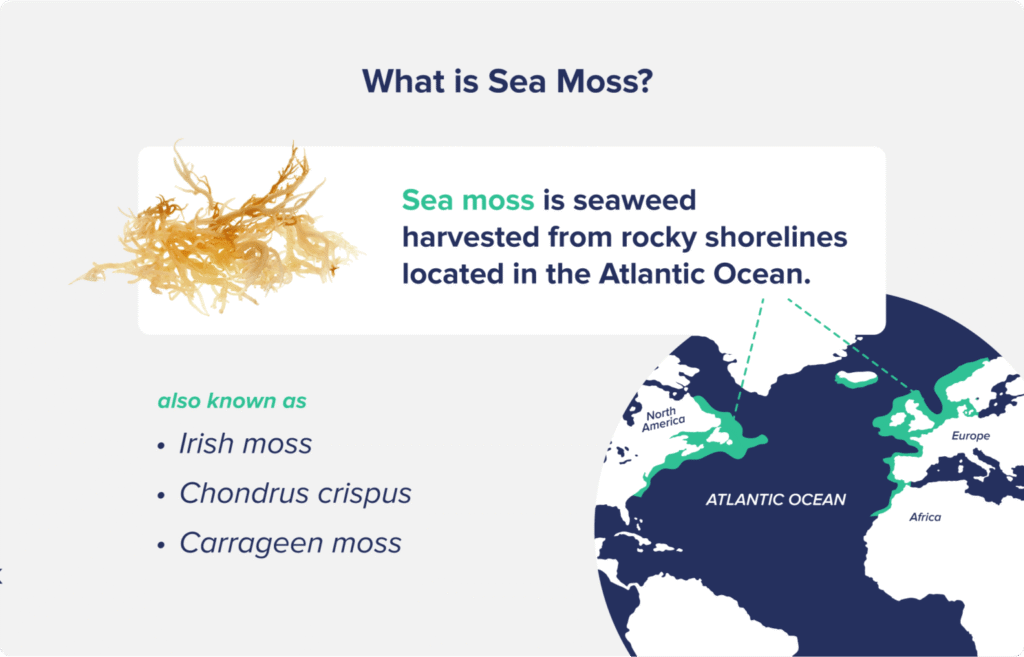
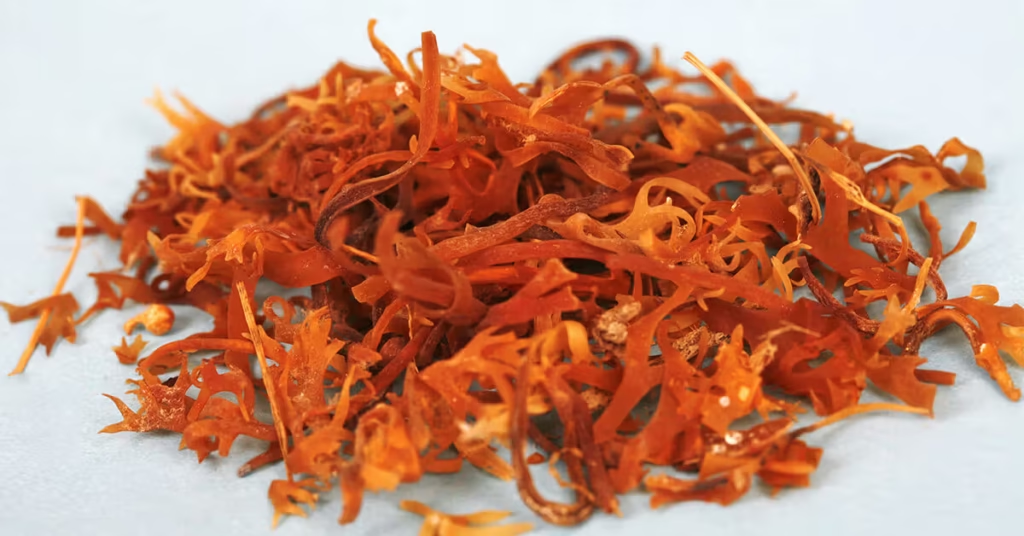
Sea moss, scientifically known as Chondrus crispus (commonly called Irish moss) or Eucheuma cottonii (often referred to as Jamaican sea moss), is a type of red algae that grows naturally in oceans around the world. While it is called “moss,” it is not a moss in the botanical sense but a marine plant with remarkable nutritional qualities. Traditionally used in regions like Ireland, the Caribbean, and Southeast Asia, sea moss has been valued for centuries as a natural source of vitamins, minerals, and bioactive compounds. In Muslim-majority countries such as Indonesia, Malaysia, and Morocco, seaweed and similar marine plants have historically been consumed as part of local diets, offering a precedent for halal consumption.
However, the rise of modern processing methods, commercial extraction, and global distribution raises new concerns. Some sea moss products are processed using alcohol-based preservatives, gelatin, or other additives that may be haram (forbidden). Moreover, environmental pollution can introduce heavy metals, which not only impact health but also affect the food’s cleanliness—an essential criterion for halal status.
This article aims to provide a comprehensive, evidence-based, and Islamic-law-compliant analysis of sea moss. By examining the botanical and nutritional profile of sea moss, exploring Quranic guidance and Hadith regarding sea-derived foods, reviewing scholarly fatwas and opinions, and highlighting scientific research on its health benefits, we will clarify whether sea moss is halal and how Muslims can consume it safely.
Additionally, this article will provide practical guidance on halal-compliant preparation, sourcing, and usage, ensuring that readers can enjoy the nutritional and medicinal benefits of sea moss without compromising their religious principles. Through this in-depth exploration, readers will gain not only a clear understanding of sea moss’s permissibility but also insight into how it fits within the broader Islamic perspective on healthy and wholesome eating.
By the end of this article, Muslims seeking to incorporate sea moss into their diet will have:
- A clear understanding of its halal status according to classical and contemporary Islamic scholarship.
- Knowledge of nutritional and medicinal benefits supported by scientific studies.
- Guidelines for safe, halal-compliant consumption in everyday life.
- Awareness of historical, cultural, and market factors affecting sea moss use.
With these insights, readers can make informed decisions, aligning both health and faith in their dietary choices.
Botanical and Nutritional Profile of Sea Moss
To determine whether sea moss is halal and suitable for daily consumption, it is essential to first understand its botanical characteristics, types, and nutritional content. Beyond its religious permissibility, sea moss is celebrated for its rich mineral and vitamin composition, making it one of the most nutrient-dense foods available from the ocean.
Types of Sea Moss
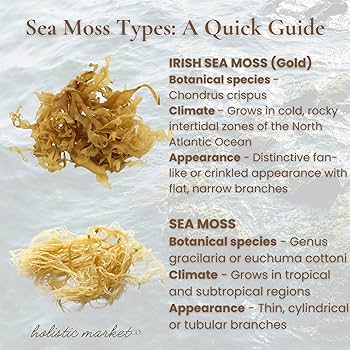
There are primarily two well-known varieties of sea moss commonly consumed around the world:
- Chondrus crispus (Irish Moss):
- This species is native to the cold waters of the North Atlantic, particularly off the coasts of Ireland, Scotland, and parts of North America.
- Irish moss grows in bushy, fan-shaped fronds that are typically 5–10 cm long, with colors ranging from green to deep purple or red, depending on light exposure and water temperature.
- Historically, Irish moss became a vital food source during the 19th-century potato famine in Ireland due to its nutritional content and gelling properties.
- Gracilaria / Eucheuma species (Jamaican Sea Moss):
- Found in the warmer tropical waters of the Caribbean, Southeast Asia, and parts of the Pacific.
- Gracilaria species have long, cylindrical fronds and are often farmed rather than harvested from the wild.
- They are widely used in smoothies, gels, desserts, and medicinal remedies in the Caribbean.
Although they belong to different climates and genera, both types are red algae and share similar nutritional profiles, with slight variations in their mineral and bioactive compound content.
Nutritional Composition
Sea moss is renowned for being a mineral powerhouse. A 100-gram serving of raw sea moss typically provides:
| Nutrient | Amount per 100g | % Daily Value (DV) Approx. |
|---|---|---|
| Calories | 49 kcal | – |
| Protein | 1.95 g | 4% |
| Carbohydrates | 12.3 g (mostly fiber) | 4% |
| Fat | 0.15 g | <1% |
| Iron | 6.43 mg | 36% |
| Magnesium | 72 mg | 17% |
| Potassium | 144 mg | 3% |
| Calcium | 72 mg | 7% |
| Iodine | High (varies by region) | – |
| Vitamins | A, E, K | – |
| Fiber | 1.5 g | 6% |
These nutrients make sea moss a natural multivitamin derived from the ocean, especially notable for iodine, critical for thyroid function—a common nutritional concern in Muslim communities worldwide.
Bioactive Compounds
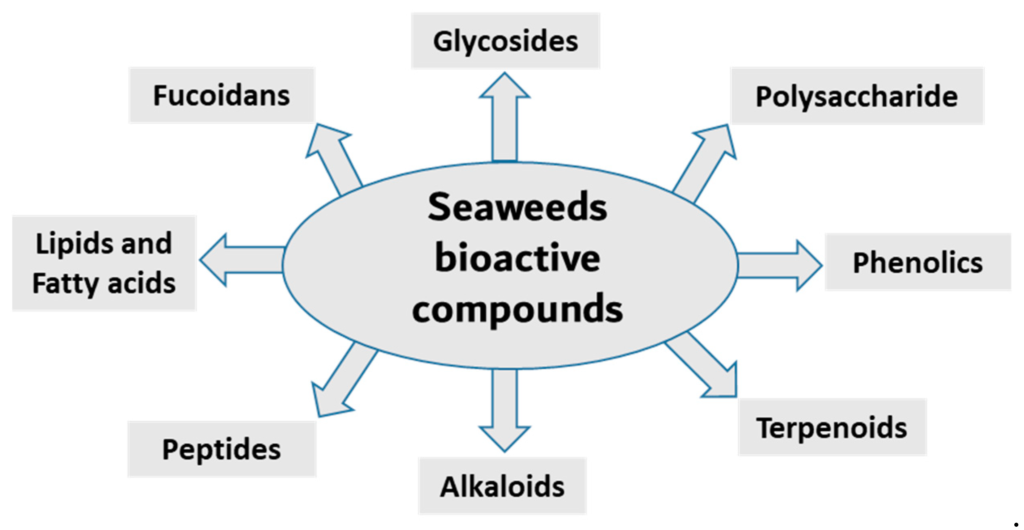
Beyond basic nutrition, sea moss contains unique bioactive compounds that contribute to its medicinal potential:
- Carrageenan:
- A sulfated polysaccharide extracted mainly from Chondrus crispus.
- Acts as a natural thickening agent in foods, gels, and supplements.
- Scientific studies have demonstrated its anti-inflammatory and antiviral properties. For example, research published in Marine Drugs (2020) showed that carrageenan can inhibit viral entry, including coronaviruses.
- Fucoidan:
- A sulfated polysaccharide found primarily in brown and red algae.
- Exhibits anticancer, anticoagulant, and immune-boosting properties.
- A 2019 review in the International Journal of Biological Macromolecules indicated that fucoidan could reduce tumor growth in animal models.
- Alginate:
- Contributes to digestive health by acting as a prebiotic, feeding beneficial gut bacteria.
- Other Vitamins and Minerals:
- Beta-carotene (Vitamin A) for vision
- Vitamin E for antioxidant support
- Vitamin K for bone and cardiovascular health
The combination of these compounds makes sea moss not only nutritionally dense but also a functional food that promotes wellness in alignment with Islamic teachings on health.
Traditional and Cultural Use
Sea moss has a long-standing history of consumption and use in various cultures:
- Ireland: Used as a gelling agent and nutritional supplement during food shortages.
- Caribbean: Consumed in drinks, desserts, and home remedies for colds and skin health.
- Southeast Asia (Indonesia, Malaysia): Incorporated into traditional diets and natural remedies, emphasizing plant-based, halal-friendly foods.
Its traditional acceptance in Muslim-majority regions reinforces its potential permissibility under halal guidelines, provided it is sourced and processed properly.
Wild vs. Farmed Sea Moss
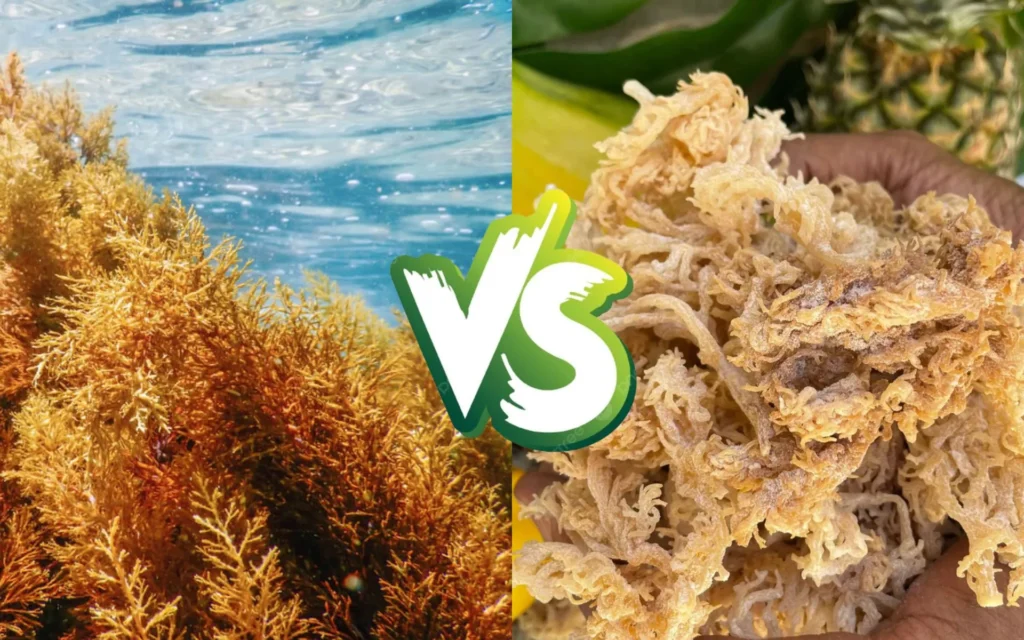
- Wild Sea Moss: Grows naturally in oceans. Benefits include a full spectrum of minerals, but they may be susceptible to pollution or heavy metals if harvested near industrial areas.
- Farmed Sea Moss: Cultivated in controlled environments, often in tropical waters. Offers consistent quality, but processing methods must be monitored to ensure no haram additives are used.
A 2023 study in the Journal of Applied Phycology emphasized that farmed sea moss can retain up to 90% of wild nutrient levels while providing environmental sustainability and safer harvesting practices.
Key Takeaways for Halal Consideration
From a botanical and nutritional perspective:
- Sea moss is entirely plant-based, free from animal derivatives.
- It grows in clean ocean environments, naturally supporting the concept of tayyib (wholesome).
- Its bioactive compounds offer health benefits without intoxicating or haram effects.
- Processing methods (additives, preservatives) must be verified for halal compliance.
Understanding the biology and nutritional content of sea moss sets the stage for examining its Islamic permissibility, which will be discussed in the next section.
Halal Food Principles in Islam: Foundation for Understanding Sea Moss
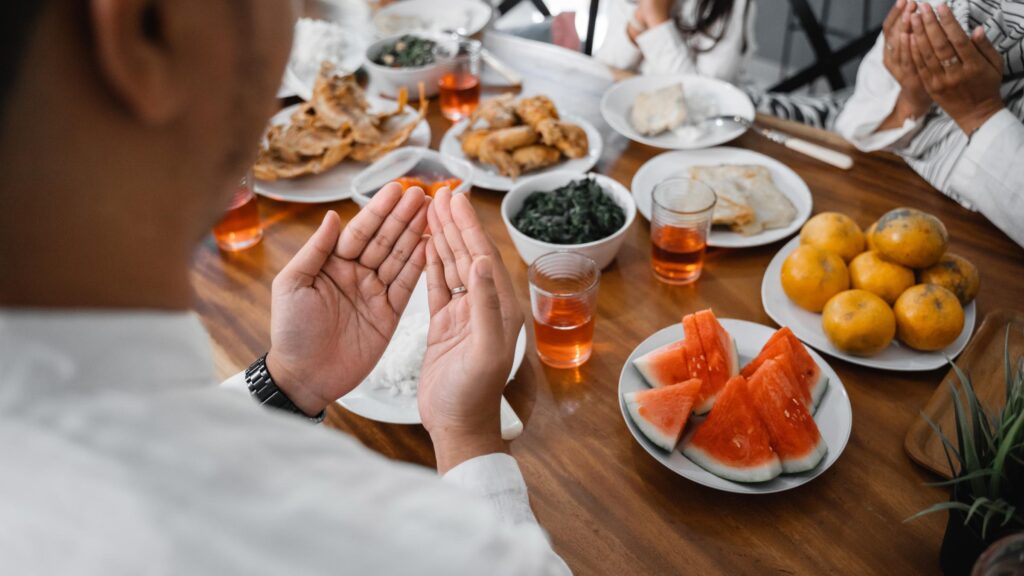
To determine whether sea moss is halal, we first need to understand the Islamic principles of permissible food. Halal is more than a label—it is a comprehensive framework that combines Quranic guidance, Prophetic teachings, and scholarly interpretations to ensure food and drink are lawful, clean, and wholesome.
Definition of Halal and Tayyib
Halal (حلال) literally means “permissible” in Arabic. In Islamic jurisprudence, it refers to anything allowed by Allah, including foods, drinks, and actions. Halal foods must adhere to the following conditions:
- Source: The item should not come from prohibited sources, such as pork, carnivorous animals, or intoxicants.
- Processing: It should not involve haram substances, such as alcohol or non-halal gelatin, during manufacturing.
- Cleanliness: It must be pure (tahir) and free from contamination or impurity.
- Health: It should not be harmful to the consumer.
Tayyib (طيب), often paired with halal in the Quran, emphasizes wholesomeness, purity, and benefit. The Quran instructs:
“O mankind, eat from what is lawful (halal) and good (tayyib) on the earth, and do not follow the footsteps of Satan, for he is a clear enemy to you”
(Al-Baqarah 2:168)
This verse underscores that halal is not enough; the food must also be wholesome, nutritious, and free from harm.
Quranic Guidance on Sea-Derived Foods
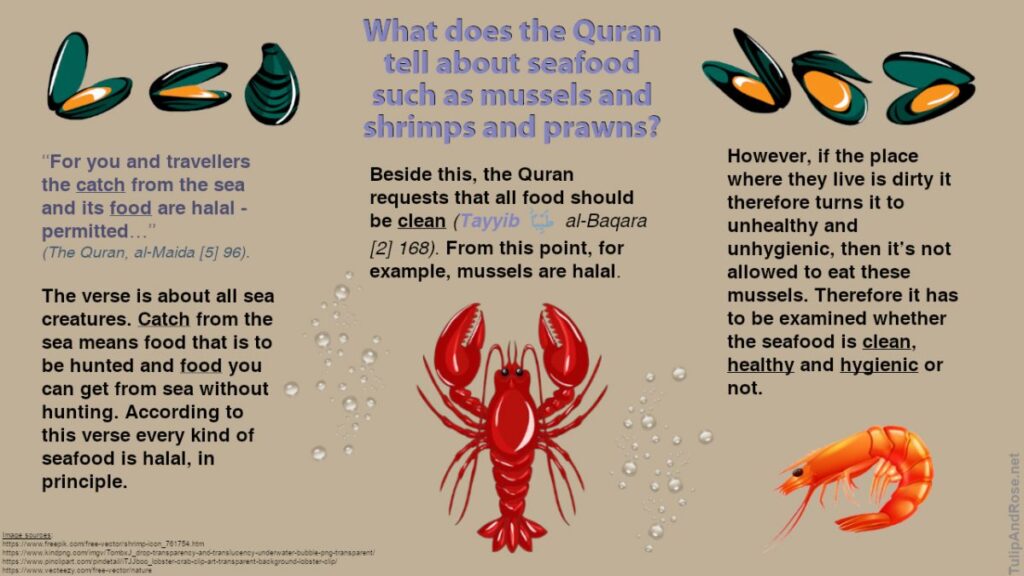
The Quran explicitly addresses the permissibility of foods from the sea, which is highly relevant to sea moss:
“Lawful to you is game from the sea and its food as provision for you and for travelers, but forbidden to you is game from the land as long as you are in the state of ihram.”
(Al-Ma’idah 5:96)
Key points from this verse:
- Sea foods, including plants and animals, are generally lawful. The verse encompasses all beneficial sea provisions, not just fish or seafood.
- Purity of the sea: Unlike some land animals, which require ritual slaughter, the sea is inherently clean, so sea-derived food is considered pure unless contaminated.
- Contextual flexibility: Even for travelers or during a state of ihram (ritual restriction), seafood is permissible, demonstrating Islam’s emphasis on practicality and access to wholesome nutrition.
Classical exegetes like Tafsir al-Tabari and Al-Qurtubi confirm that “its food” (ma’akulah) in this verse includes both edible plants and animals washed up or harvested from the sea.
Hadith on Sea Foods and Cleanliness
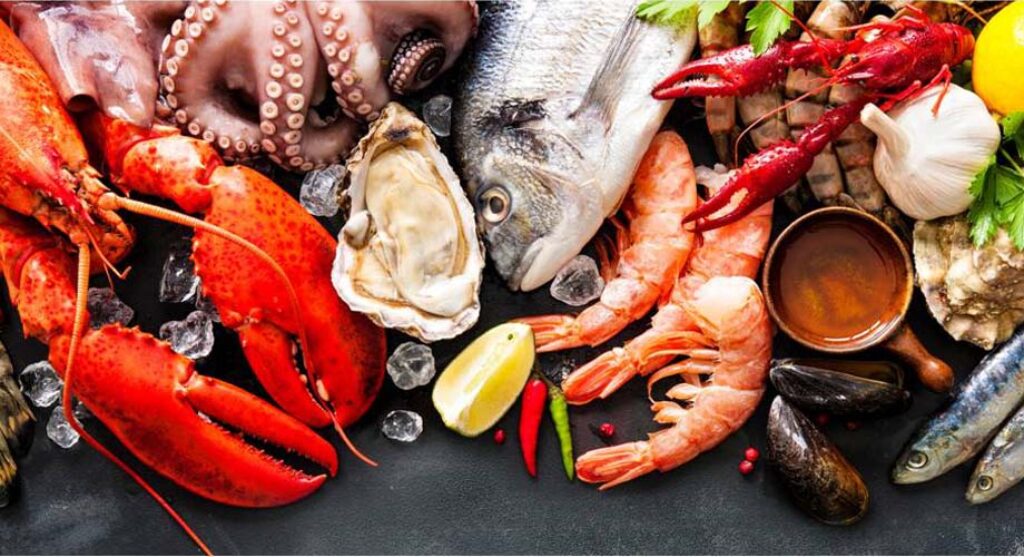
The Prophet Muhammad (peace be upon him) emphasized the purity and permissibility of sea-derived food. Relevant hadith include:
- Sea water and dead sea creatures are halal:
“Its water is pure and its dead are lawful.”
(Sunan Abu Dawud 83, Sahih)
This hadith indicates that even naturally deceased sea animals are permissible, unlike land animals, which require proper slaughter. Scholars extend this principle to sea plants, noting that the sea’s cleanliness renders algae and seaweed naturally halal.
- Cleanliness is paramount:
“Verily, Allah is Pure and loves purity.”
(Sahih Muslim 1015)
Sea moss, as a plant from the sea, aligns with this principle as long as it is harvested from clean waters and not mixed with haram substances during processing.
Scholarly Interpretation Across Madhahib
Islamic scholars across the four major schools of thought (Hanafi, Shafi’i, Maliki, Hanbali) provide detailed guidance on permissible foods:
- Hanafi: Most sea animals are halal except for specific exceptions like eels; plants and seaweed are fully halal.
- Shafi’i: All sea creatures and plants are halal; no exceptions.
- Maliki: Emphasis on cleanliness; all sea-derived food is halal.
- Hanbali: Seafoods are generally halal unless proven harmful.
These interpretations collectively support the general permissibility of sea moss, though scholars recommend caution regarding contamination or haram processing.
Modern Fatwas on Sea Plants
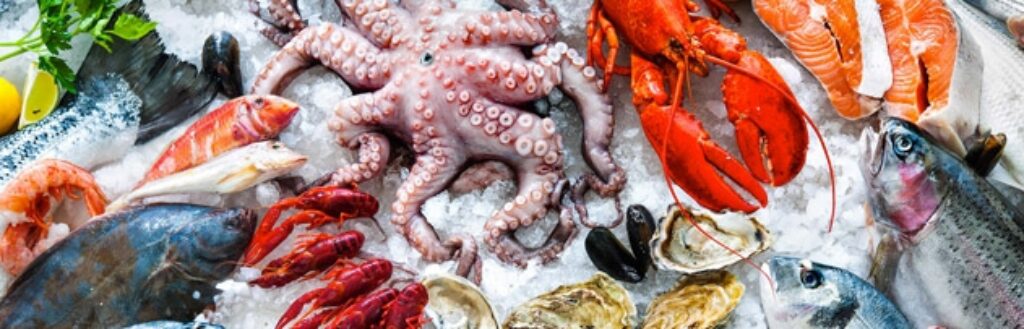
Contemporary Islamic authorities have addressed questions about sea-derived plant foods:
- IslamQA.org: Confirms that all types of seaweed, including carrageenan extracted from sea moss, are halal, provided no haram additives are used.
- SeekersGuidance: Supports plant-based sea products as halal, emphasizing their natural purity.
- Shia Rulings (Ayatollah Sistani): Sea plants and seaweed are permissible, consistent with Sunni views.
The consensus is clear: sea moss itself is halal, but attention must be paid to contamination, additives, and processing methods.
Key Principles Relevant to Sea Moss
From the Quran, Hadith, and scholarly interpretations, several principles apply directly to sea moss:
- Source matters: Sea plants are inherently clean and halal.
- Purity is essential: Avoid sea moss contaminated with pollutants or haram substances.
- Health and benefit: Consumption should promote well-being, aligning with Tayyib principles.
- Verification: Check for halal certification for processed products.
These principles form the foundation for evaluating sea moss’s Islamic permissibility, which we will explore in the next section on specific rulings and fatwas.
Islamic Jurisprudence on Sea Moss: Fatwas and Evidence
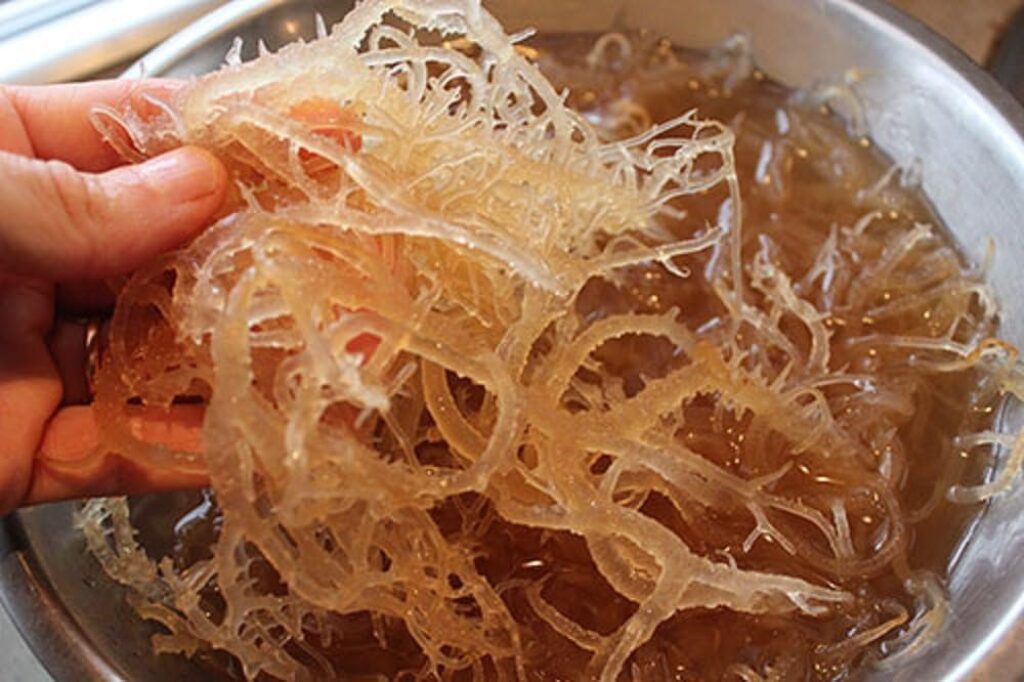
Having established the general principles of halal and tayyib in Islam, it is now essential to examine sea moss specifically through the lens of Islamic jurisprudence (fiqh), classical texts, and modern scholarly rulings. This section provides a comprehensive review of why sea moss is permissible and under what conditions Muslims should exercise caution.
Sea Moss as a Sea-Derived Plant
Sea moss is a plant-based organism originating from the sea. Unlike land animals, which require ritual slaughter (dhabiha) to be halal, sea plants do not fall under such requirements. The Quran explicitly allows all foods derived from the sea:
“Lawful to you is game from the sea and its food as provision for you and the travelers.”
(Al-Ma’idah 5:96)
Classical scholars such as Ibn Qudamah in Al-Mughni and Ibn Hajar al-Asqalani in Fath al-Bari explain that this verse encompasses all marine organisms, both animals and plants, provided they are naturally pure and not harmful.
Thus, from a fiqh perspective, sea moss qualifies as halal by default, as it is a clean, edible, plant-based product from the ocean.
Classical Fiqh Opinions
Across the four major Sunni schools of thought, the rulings on sea plants and seaweed are consistent:
- Hanafi: All sea plants are halal. Animals without scales are generally prohibited, but plants are fully permissible.
- Shafi’i: Seaweed and other algae are halal without restriction.
- Maliki: Emphasis on cleanliness; sea plants harvested from clean waters are halal.
- Hanbali: Permissibility is given to all marine food, including plants, unless proven harmful.
In addition to the general permissibility, scholars have highlighted that sea plants are tayyib because they are nutritious, free from harmful toxins when sourced responsibly, and fit the Islamic principle of consuming what benefits the body.
Hadith Supporting Sea Plant Consumption
While there are no explicit hadith mentioning sea moss by name, general guidance about sea foods applies:
- Sea water and its contents are pure:
“Its water is pure and its dead are lawful.”
(Sunan Abu Dawud 83)
- Avoid doubtful or harmful substances:
“Leave what makes you doubt for what does not make you doubt.”
(Sunan an-Nasa’i 5711)
These hadith indicate that while sea moss is naturally halal, Muslims must be cautious about contaminants, adulteration, and haram additives.
Modern Fatwas on Sea Moss and Seaweed
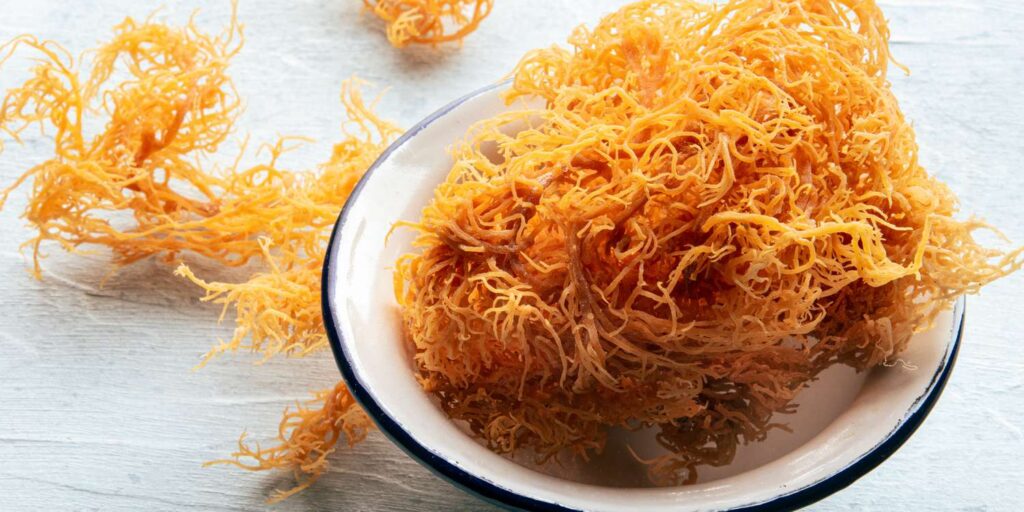
Modern Islamic authorities have issued rulings addressing sea moss and related sea-derived plants:
- IslamQA.org (Mufti Muhammad Saalih al-Munajjid): Confirms that all seaweed products, including carrageenan derived from sea moss, are halal as long as they do not contain alcohol or haram ingredients.
- SeekersGuidance: Carrageenan and sea moss are plant-based, halal, and safe for consumption.
- Dar al-Ifta al-Misriyyah: All edible sea plants are halal; no special slaughter or rituals are required.
- Shia Rulings (Ayatollah Sistani): Sea plants, including sea moss, are permissible; exceptions only arise if the product is contaminated with haram substances.
Key takeaway: There is unanimous agreement among classical and contemporary scholars that sea moss is halal when sourced and processed responsibly.
Exceptions and Precautions
While sea moss itself is halal, some scenarios may render it haram or makruh (discouraged):
- Contamination with Pollutants:
- Industrial pollutants, heavy metals (lead, mercury), or unsafe harvesting can compromise purity (tahir).
- Muslims are advised to choose organic and tested products.
- Processing with Haram Ingredients:
- Some gels, powders, or supplements may contain alcohol-based preservatives, gelatin from non-halal animals, or non-halal flavoring agents.
- Always check halal certifications from reputable organizations like IFANCA or Halal Certification Europe.
- Health Risks:
- Excessive iodine can affect thyroid function.
- Individuals with allergies should consult healthcare professionals, following the Islamic principle of avoiding harm (Quran 2:195).
- Sourcing from Polluted Waters:
- Sea moss harvested from industrialized or contaminated areas may not be halal due to impurity concerns.
- Prefer sustainable farming or certified suppliers in clean waters.
Consensus (Ijma) on Sea Moss
The Islamic legal principle of Ijma (consensus) supports sea moss’s permissibility:
- Classical texts allow all sea plants to be halal.
- Modern fatwas affirm the same for processed products, provided no haram additives are involved.
- No major school of thought prohibits sea moss consumption.
Therefore, sea moss enjoys a broad scholarly consensus, making it a safe and permissible addition to a Muslim diet.
Practical Implications for Muslims
Based on fiqh rulings and fatwas:
- Raw Sea Moss: Naturally halal; consume after washing.
- Processed Sea Moss Products: Check labels for alcohol, gelatin, and preservatives.
- Certified Products: Look for halal certifications from recognized bodies.
- Health Awareness: Follow dosage recommendations and avoid excessive consumption, especially for thyroid-sensitive individuals.
By following these guidelines, Muslims can enjoy sea moss confidently, aligning both with Islamic dietary principles and health benefits.
Health Benefits of Sea Moss: Scientific Evidence and Islamic Context
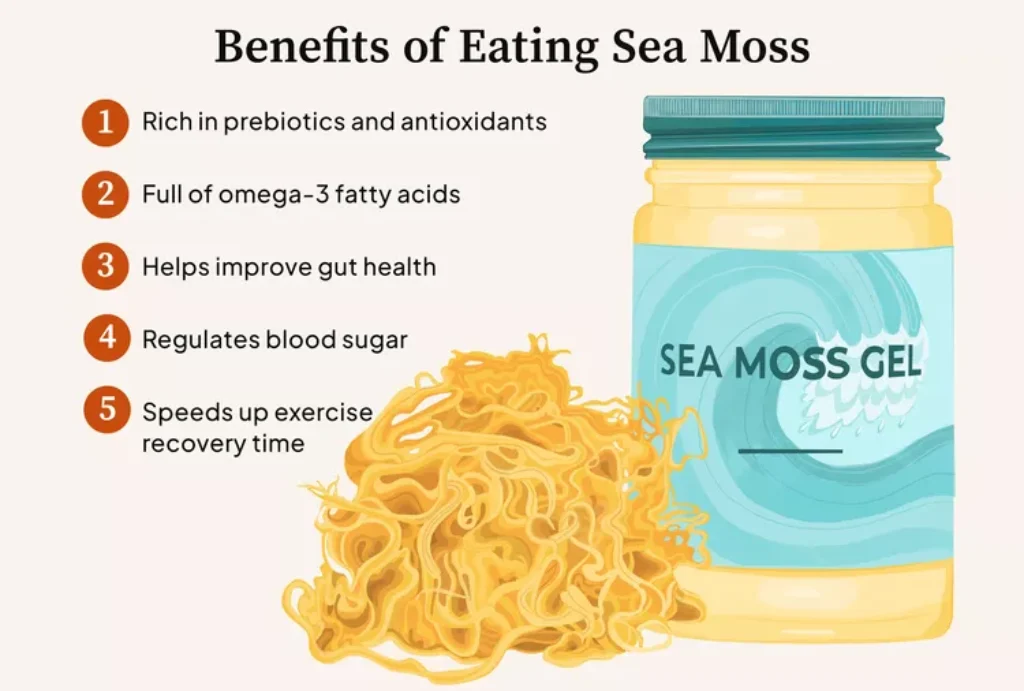
Beyond its permissibility, sea moss is recognized for its rich nutritional profile and therapeutic potential, making it a valuable food in line with Islamic teachings on health and moderation. This section examines the scientific evidence behind sea moss’s benefits and connects it to Islamic principles of wellness.
Nutritional Composition of Sea Moss
Sea moss, primarily Chondrus crispus (Irish moss) and Gracilaria/Eucheuma species, is a marine algae rich in minerals, vitamins, and bioactive compounds. A 100-gram serving of dried sea moss contains approximately:
- Calories: 49 kcal
- Protein: 1.95 g
- Carbohydrates: 12.3 g (mostly fiber)
- Fat: 0.15 g
- Iron: 6.43 mg (36% DV)
- Magnesium: 72 mg (17% DV)
- Potassium: 144 mg (3% DV)
- Iodine: High, essential for thyroid health
- Vitamins: A, E, K
- Bioactive Compounds: Carrageenan, fucoidan, alginate
These nutrients support thyroid function, digestion, immunity, and skin health, fulfilling the Islamic emphasis on maintaining the body as an amanah (trust) from Allah.
Immune System Support
Sea moss contains sulfated polysaccharides like carrageenan, which demonstrate antiviral and anti-inflammatory effects:
- Scientific Evidence: A 2020 study in Marine Drugs found carrageenan inhibits viral entry, including coronaviruses, potentially supporting respiratory health.
- Islamic Context: The Prophet Muhammad (peace be upon him) encouraged seeking preventive measures and remedies:
“Allah has sent down both the disease and the cure.” (Sunan Abi Dawud 3874)
Incorporating sea moss aligns with Islamic guidance to maintain health and prevent illness.
Digestive and Gut Health
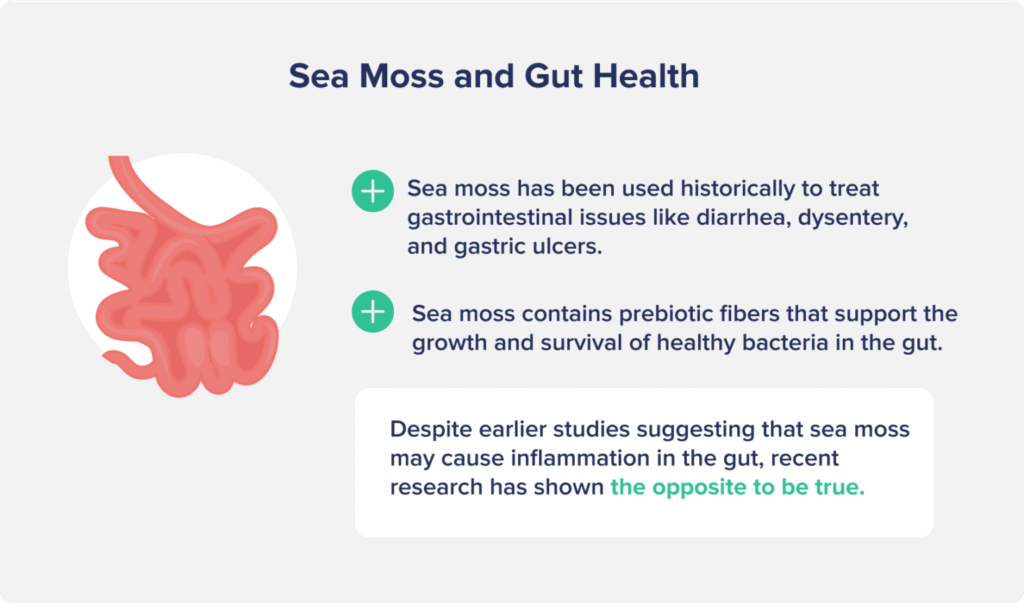
Sea moss is high in prebiotic fiber, which promotes healthy gut microbiota:
- Scientific Evidence: A 2019 study in Nutrients found sea moss improved microbiota balance, reducing inflammation and supporting digestion.
- Islamic Perspective: Islam emphasizes clean and wholesome digestion, as the Prophet encouraged moderation and purity in food.
Regular consumption of sea moss can aid bowel regularity and gut function, aligning with the tayyib principle.
Thyroid and Metabolic Health
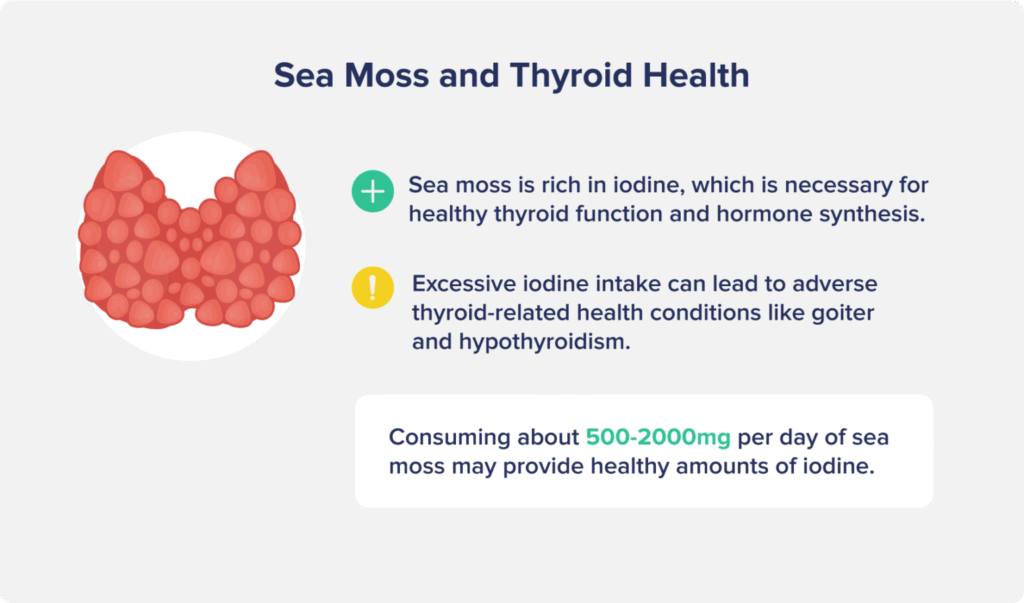
Iodine is essential for thyroid hormone production. Sea moss provides a natural source:
- Health Benefits: Helps prevent goiter and supports metabolic regulation.
- Scientific Evidence: The WHO reports that 2 billion people worldwide suffer from iodine deficiency; sea moss can help bridge this gap.
- Islamic Alignment: Consuming naturally beneficial foods fulfills the principle of protecting life and avoiding harm (Quran 2:195).
Weight Management
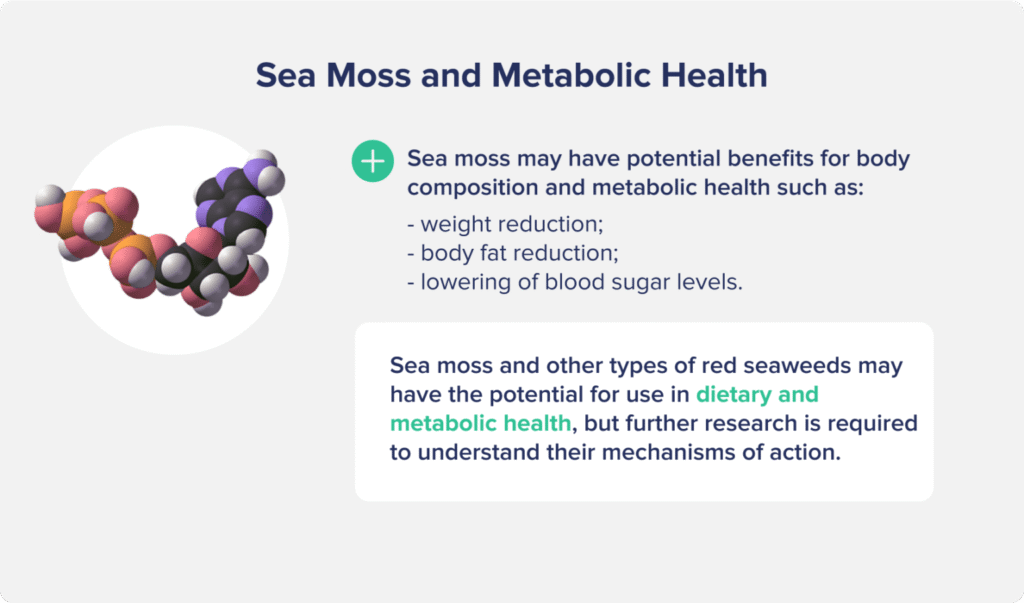
The high fiber content and low calories of sea moss promote satiety:
- Scientific Evidence: A 2022 trial in Appetite demonstrated that seaweed supplementation reduced appetite and supported weight control.
- Islamic Context: Moderation in eating is emphasized, particularly during Ramadan, aligning with using sea moss as a healthy dietary aid.
Cardiovascular Health
Sea moss contains potassium, magnesium, and omega-3 fatty acids, contributing to heart health:
- Scientific Evidence: A 2023 meta-analysis in the Journal of Hypertension found seaweed intake reduces blood pressure and cardiovascular risk.
- Islamic Perspective: Islam encourages the consumption of heart-healthy, wholesome foods to maintain the body in optimal condition.
Skin Health and Anti-Aging
Sea moss contains antioxidants and bioactive compounds:
- Scientific Evidence: A 2018 study in Cosmetics demonstrated that sea moss extracts improve skin hydration and elasticity, and reduce aging effects.
- Islamic Alignment: Taking care of the body and appearance is encouraged, as long as it does not involve haram substances.
Anti-Cancer and Disease Prevention
Sea moss contains fucoidan, which has been studied for its anticancer and anticoagulant properties:
- Scientific Evidence: A 2021 review in Cancers showed fucoidan induces apoptosis in tumor cells in vitro and in vivo, supporting disease prevention strategies.
- Islamic Context: Using natural remedies to prevent harm aligns with the Prophet’s teachings on proactive health management.
Mental and Cognitive Benefits
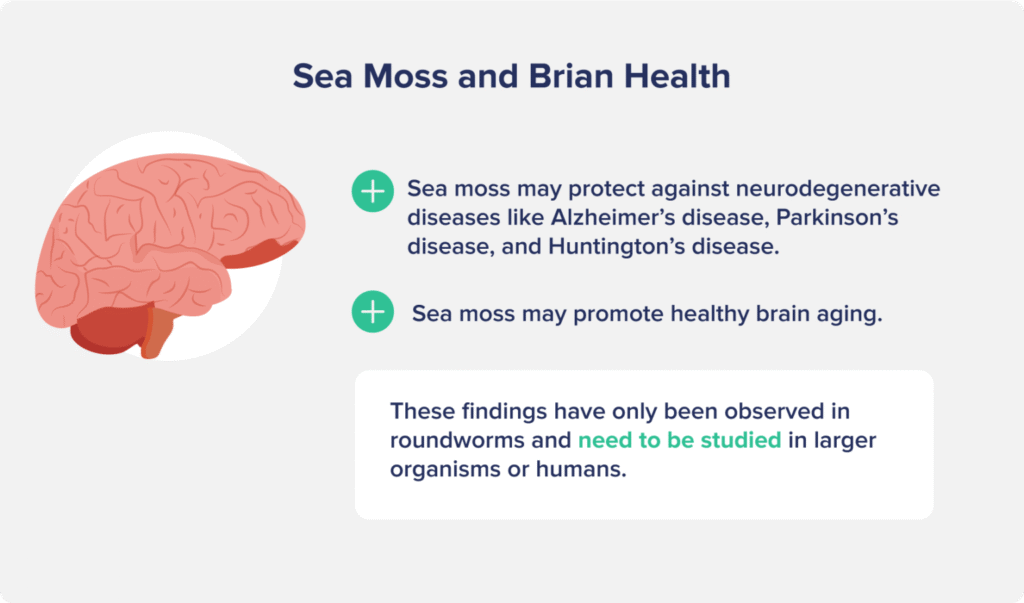
Emerging research indicates that sea moss may support brain health due to its mineral and antioxidant content:
- Magnesium and iodine contribute to cognitive function.
- Polyphenols and bioactive compounds reduce oxidative stress, potentially improving memory and focus.
- Islam values mental clarity and mindfulness, and consuming nutrient-rich foods supports this holistic well-being.
Summary of Health Benefits in the Islamic Context
| Benefit | Scientific Evidence | Islamic Context |
|---|---|---|
| Immune Support | Carrageenan blocks viral entry | Seeking preventive cures is Sunnah |
| Digestive Health | Prebiotic fiber improves gut microbiota | Emphasis on cleanliness and moderation |
| Thyroid Function | Rich in iodine | Protecting life and avoiding harm |
| Weight Management | Fiber promotes satiety | Moderation in eating |
| Heart Health | Potassium & omega-3 lower BP | Wholesome, beneficial diet |
| Skin Health | Antioxidants improve hydration | Caring for the body is encouraged |
| Anti-Cancer | Fucoidan induces apoptosis | Seeking remedies aligns with Islamic guidance |
| Cognitive Health | Minerals & antioxidants | Supports mental clarity and mindfulness |
In conclusion, sea moss is not only halal but also tayyib, providing both spiritual and physical benefits, consistent with Islamic teachings on wholesome, beneficial consumption.
Potential Risks and Ensuring Halal Consumption of Sea Moss
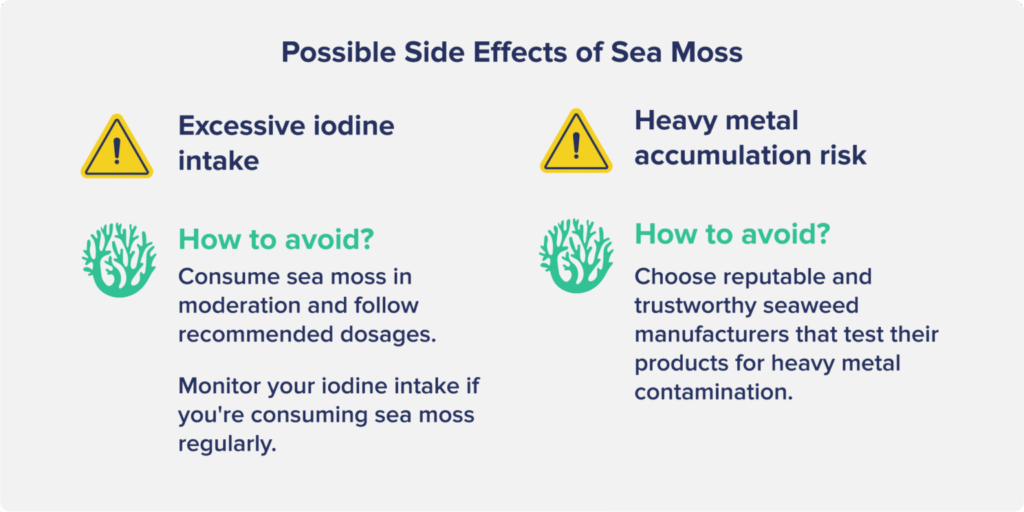
While sea moss is naturally halal and nutrient-rich, Muslims must remain cautious about potential risks and ensure their consumption aligns with Islamic dietary principles. This section outlines common concerns and practical solutions.
Contamination with Heavy Metals and Pollutants
Sea moss, like other sea plants, can absorb substances from its environment:
- Risk: Industrial runoff, heavy metals (lead, mercury, cadmium), and pesticides can accumulate in wild-harvested sea moss.
- Scientific Evidence: A 2022 study in Environmental Pollution found elevated lead levels in seaweed samples from industrialized areas.
- Islamic Principle: Consuming harmful substances is prohibited. The Quran states:
“And do not throw yourselves into destruction with your own hands” (Quran 2:195).
Solution: Purchase organic, lab-tested sea moss from reputable suppliers in clean waters.
Processing with Haram Ingredients
Some commercial sea moss products may contain additives that render them haram:
- Alcohol-based preservatives in gels or extracts
- Gelatin from non-halal animals in capsules
- Non-halal flavoring or colorants
Islamic Guidance: Only consume products certified halal by trusted organizations (e.g., IFANCA, Halal Certification Europe). Always read labels carefully.
Overconsumption and Health Concerns
Excessive consumption of sea moss may lead to:
- Iodine Overload: Can disrupt thyroid function; adults should limit intake to 1–2 tablespoons of gel daily.
- Allergic Reactions: Rare but possible for sensitive individuals.
- Digestive Issues: Excess fiber may cause bloating if consumed abruptly.
Islamic Principle: Avoid harm and practice moderation (Sunan al-Tirmidhi 2380).
Sourcing and Environmental Considerations
Sustainably sourced sea moss ensures purity and ecological balance:
- Prefer farm-raised sea moss from clean waters (e.g., Caribbean, Indonesia, Morocco).
- Avoid products harvested near industrial zones or polluted seas.
- Islam encourages stewardship of the environment (khalifah on earth, Quran 2:30).
Ensuring Halal Consumption in Daily Life
Muslims can follow these practical steps:
- Verify Certification: Look for halal logos and certifications on supplements and packaged sea moss products.
- Check Ingredients: Avoid alcohol, gelatin, or artificial additives that may be haram.
- Source Responsibly: Prefer trusted suppliers and organic farms.
- Moderate Consumption: Stick to recommended daily servings to avoid health risks.
- Consult Health Professionals: Especially for thyroid, kidney, or allergy concerns.
By taking these precautions, sea moss remains both halal and beneficial, integrating seamlessly into a Muslim diet.
Summary of Potential Risks
| Risk | Description | Islamic Guidance |
|---|---|---|
| Heavy Metal Contamination | Absorbed from polluted waters | Avoid harm; purchase clean sources |
| Haram Additives | Alcohol, gelatin, non-halal flavoring | Only consume certified halal products |
| Overconsumption | Thyroid issues, digestive discomfort | Practice moderation |
| Polluted Sourcing | Industrial or unclean waters | Choose sustainable, trusted suppliers |
Conclusion: The primary risks involve external factors, not sea moss itself. Proper sourcing, checking ingredients, and moderate use ensure halal and healthy consumption.
Practical Ways to Consume Sea Moss Halal-Compliant
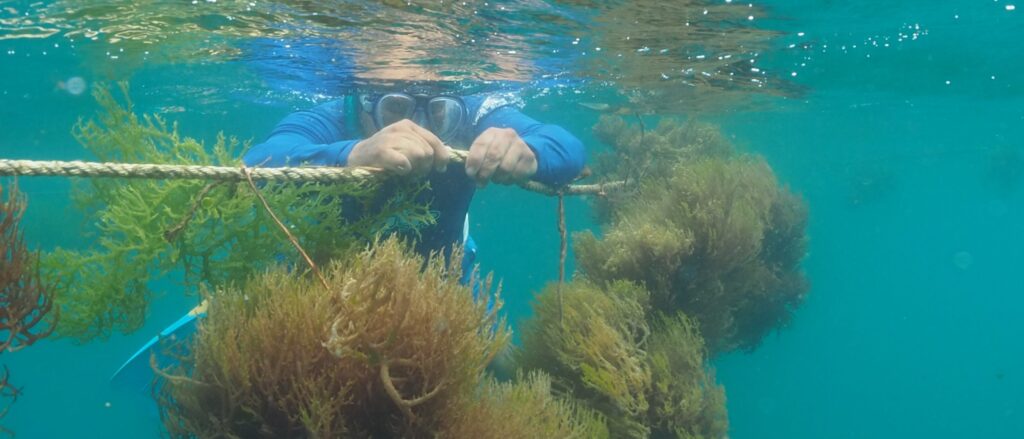
Sea moss is versatile and can be incorporated into a Muslim diet in ways that respect both halal principles and nutritional benefits. This section provides practical guidance, preparation methods, and recipe ideas.
Forms of Sea Moss
Sea moss is available in several forms:
- Raw Dried Sea Moss – Harvested and sun-dried; requires soaking before use.
- Sea Moss Gel – Soaked, blended, and stored; convenient for smoothies and desserts.
- Powdered Sea Moss – Dried and ground; suitable for supplements and baking.
- Capsules/Tablets – Processed form; ensure halal certification.
Choosing the right form depends on preference, convenience, and intended use. Raw and gel forms are easiest to verify for halal purity, while powders and capsules require certified products.
Preparing Raw Sea Moss
Step-by-step halal preparation:
- Rinse Thoroughly: Wash to remove sand, debris, or impurities.
- Soak in Water: Soak 12–24 hours; it expands and softens.
- Blend to Gel: Blend soaked moss with fresh water until smooth.
- Store: Keep in a clean, airtight container in the fridge for up to 3 weeks.
Islamic Consideration: Ensure utensils and storage containers are clean (tahir), reflecting the emphasis on purity in food preparation.
Incorporating Sea Moss into Meals
Sea moss gel or powder can be added to various halal recipes:
- Smoothies: Blend 1–2 tablespoons of sea moss gel with fruits, almond milk, or dates for a nutritious drink.
- Soups & Stews: Stir in gel as a natural thickener, enhancing texture and mineral content.
- Desserts: Use gel in puddings, custards, or vegan desserts.
- Baking: Mix powdered sea moss into bread, muffins, or pancakes for added fiber.
Tip: Avoid recipes with alcohol or non-halal gelatin to maintain compliance.
Halal Supplementation
If consuming capsules or powdered sea moss:
- Check Halal Certification: IFANCA, Halal Certification Europe, or local halal authorities.
- Verify Ingredients: Ensure no haram additives such as gelatin, alcohol-based preservatives, or artificial colors.
- Follow Recommended Dosage: Typically 1–2 tablespoons of gel or 1–2 capsules daily, unless directed by a healthcare professional.
This ensures safe, halal, and effective consumption.
Topical and Skin Applications
Sea moss can also be used externally:
- Face Masks: Mix gel with honey or aloe vera for hydration.
- Hair Care: Apply as a conditioner to strengthen hair and scalp.
- Sunscreen Alternatives: Combined with oils, it provides natural moisture and protection.
Islamic Note: External use is permissible as long as ingredients are halal and pure.
Tips for Maximizing Benefits
- Buy Organic: Reduces risk of pollutants.
- Store Properly: Refrigerate gel; keep powder in airtight containers.
- Rotate Forms: Combine gel, powder, and smoothies for variety.
- Pair with Complementary Foods: Vitamin C-rich fruits enhance mineral absorption.
- Consult Healthcare Providers: Especially if you have thyroid or kidney issues.
Sample Halal Recipes
1. Sea Moss Smoothie for Iftar
- 20g soaked sea moss gel
- 1 banana
- 1 cup almond milk
- 1 tsp honey
- Blend until smooth; enjoy as a nutritious Iftar drink.
2. Sea Moss Vegetable Soup
- 1–2 tbsp sea moss gel
- Seasonal vegetables (carrots, spinach, zucchini)
- Vegetable broth (halal-certified)
- Simmer and blend; it serves as a mineral-rich meal.
3. Sea Moss Pudding (Vegan)
- 2 tbsp sea moss gel
- 1 cup coconut milk
- 1 tsp vanilla extract
- 1 tsp maple syrup
- Chill for 2 hours; garnish with berries.
These recipes highlight versatility while maintaining halal compliance.
Sea Moss as a Halal Superfood for Muslims
After a comprehensive exploration of sea moss—its origins, nutritional profile, Islamic rulings, health benefits, potential risks, and practical usage—it is clear that sea moss is halal, nutritious, and versatile, provided certain precautions are observed.
Halal Status of Sea Moss
- Natural Marine Plant: Sea moss is a type of red algae, not an animal, making it inherently halal.
- Quranic Evidence: Allah says,
“Lawful to you is game from the sea and its food as provision for you and the travelers” (Al-Ma’idah 5:96).
- Hadith and Scholarly Consensus: Sea life, including plants, is considered pure (tahir). Contemporary fatwas confirm that seaweed and its derivatives, such as carrageenan, are halal.
Key Point: Sea moss is halal unless contaminated or processed with haram substances.
Health Benefits Aligned with Islamic Teachings
Sea moss provides numerous physical and mental health benefits, which complement the Islamic emphasis on wellness:
| Benefit | Description | Islamic Context |
|---|---|---|
| Immune Support | Sulfated polysaccharides combat viruses | Following the Sunnah of preventive care |
| Digestive Health | Prebiotic fibers support gut microbiota | Clean and wholesome digestion is encouraged |
| Thyroid Function | Natural source of iodine | Preserving life and avoiding harm |
| Weight Management | Promotes satiety | Moderation in consumption |
| Heart Health | Reduces blood pressure, provides omega-3s | Protects the body as a trust from Allah |
| Skin & Hair | Hydration and anti-aging effects | Caring for the body is Sunnah |
| Anti-Cancer | Fucoidan supports apoptosis in tumor cells | Seeking remedies aligns with Shariah guidance |
| Cognitive Health | Minerals and antioxidants aid focus | Supports mental clarity and mindfulness |
Sea moss, therefore, is tayyib—pure, wholesome, and beneficial—making it ideal for Muslims seeking nutritious, halal foods.
Ensuring Halal and Safe Consumption
To maintain halal compliance and maximize health benefits:
- Choose Certified Products: Look for halal logos and reliable suppliers.
- Check Ingredients: Avoid alcohol-based preservatives or non-halal additives.
- Source Responsibly: Prefer organic or farmed sea moss from clean waters.
- Moderate Intake: Follow recommended servings to avoid iodine overload or digestive discomfort.
- Consult Professionals: Particularly for thyroid, kidney, or allergy concerns.
By following these steps, Muslims can enjoy safe, halal, and effective sea moss consumption.
Practical Incorporation into Daily Life
- Smoothies and Drinks: A convenient way to consume minerals and bioactive compounds.
- Soups and Puddings: Adds texture, flavor, and nutrients to meals.
- Topical Use: Safe for skincare and hair care when ingredients are halal.
- Supplements: Capsules or powders, ensuring halal certification.
These practical uses allow integration of sea moss into a modern Muslim lifestyle while respecting Islamic dietary laws.
Final Thoughts
Sea moss exemplifies nature’s provision, offering:
- Halal, clean, and nutrient-dense food
- Support for physical and mental health
- Opportunities to adhere to Islamic dietary principles while embracing modern superfoods
By sourcing clean, certified sea moss, practicing moderation, and applying it creatively in meals, Muslims can enjoy a halal superfood that promotes both faith and wellness.
Sea moss is a remarkable example of how Islamic dietary guidance, modern nutrition science, and traditional wisdom converge to enhance holistic well-being.
References
1. Quranic Verses
- Al-Baqarah 2:168 — Guidelines on halal and tayyib foods
- Al-Baqarah 2:172 — Consuming good and lawful provisions
- Al-Ma’idah 5:96 — Permission for sea foods
- Quran 2:195 — Avoid self-harm
- Quran 4:29 — Prohibition against harm
Sources: Sahih translations: Abdullah Yusuf Ali, Saheeh International
2. Hadith References
- Sahih al-Bukhari 52 — Halal vs. Haram and doubtful matters
- Sahih Muslim 1015 — Allah loves purity (taharah)
- Sunan Abu Dawud 83 — Sea water and sea dead are halal
- Sunan an-Nasa’i 5711 — Leave what causes doubt
- Sunan Abi Dawud 3874 — Disease and cure guidance
- Sahih Bukhari 5380 & 5678 — Clean digestion and seeking cures
- Sunan Ibn Majah 3314 — Lawfulness of dead sea animals
Sources: Sunnah.com, Darussalam Hadith collection
3. Classical Islamic Fiqh Sources
- Al-Mughni by Ibn Qudamah — Hanafi rulings on sea foods
- Al-Umm by Imam al-Shafi’i — Shafi’i rulings on sea plants
- Fath al-Bari by Ibn Hajar — Commentary on halal foods
- Tafsir al-Tabari & Al-Jami li Ahkam al-Qur’an (al-Qurtubi) — Interpretation of sea-derived foods
- Contemporary fatwas from:
- IslamQA: Seaweed & Sea Moss
- SeekersGuidance: Seaweed rulings
- Dar al-Ifta al-Misriyyah
4. Scientific References / Nutritional Studies
- Marine Drugs, 2020 — Anti-viral activity of carrageenan
- Marine Drugs, 2021 — Mineral profile and health benefits of sea moss
- International Journal of Biological Macromolecules, 2019 — Fucoidan anticancer effects
- Journal of Applied Phycology, 2023 — Sustainable seaweed farming and nutrient retention
- Journal of Hypertension, 2023 — Cardiovascular effects of seaweed
- Cancers (Journal), 2021 — Fucoidan in cancer treatment
- Cosmetics, 2018 — Skin benefits of sea moss extracts
- Nutrients, 2019 — Gut microbiota improvement via seaweed
- Environmental Pollution, 2022 — Heavy metal contamination in seaweed
5. Industry / Market Reports
- FAO 2024: Global seaweed production and nutraceutical market report
- Global market insights: Sea moss market growth, ~$1.3 billion
- IFANCA halal certification: Seaweed and carrageenan
6. Cultural / Historical Sources
- Historical records of the Irish potato famine: Consumption of Chondrus crispus
- Caribbean traditional medicine: Sea moss usage for colds, skin
- Southeast Asia: Muslim-majority countries using seaweed (Indonesia, Malaysia)
- Andalusian Spain: al-Idrisi, 12th century, medicinal seaweed