

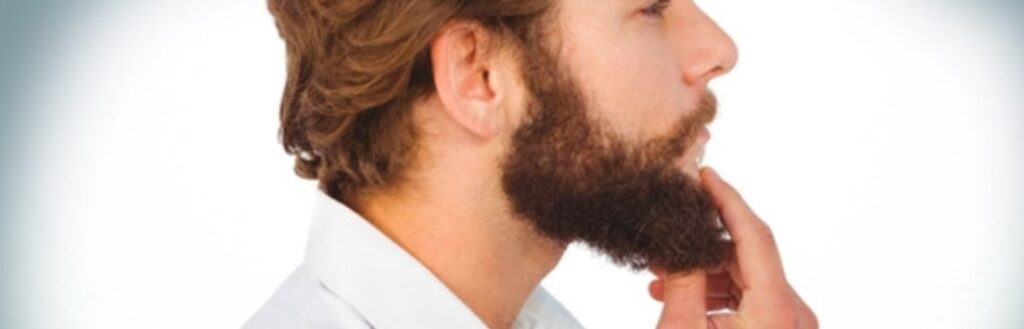
The question of whether it is haram (forbidden) to shave one’s beard is widely discussed among Muslims. The beard is often seen as a symbol of faith and adherence to the Sunnah (practices of the Prophet Muhammad, peace be upon him). However, interpretations of Islamic teachings vary across scholars, cultures, and schools of thought.
Table of Contents
ToggleThis article explores the Islamic perspective on shaving the beard, citing Quranic verses, Hadith, and scholarly opinions, to provide a balanced understanding.
The Significance of the Beard in Islam
In Islamic tradition, the beard holds a special place as it is often associated with the Sunnah of the Prophet Muhammad (PBUH). Several authentic Hadiths emphasize the importance of keeping a beard:
- Hadith Evidence: According to Sahih al-Bukhari and Sahih Muslim, the Prophet Muhammad (PBUH) said, “Trim the mustache short and let the beard grow” (Sahih al-Bukhari, Book 77, Hadith 110). This Hadith is often cited as a directive for Muslim men to maintain a beard.
- Sunnah and Identity: The beard is seen as a distinguishing feature between Muslims and non-Muslims, as the Prophet (PBUH) encouraged Muslims to differentiate themselves from other communities. For example, he said, “Do the opposite of what the pagans do. Keep the beards and cut the mustaches short” (Sahih al-Bukhari).
These narrations form the basis for many scholars’ rulings that growing a beard is either obligatory (wajib) or highly recommended (mustahabb).
Is Shaving the Beard Haram? School-by-School Rulings
The question of whether shaving the beard is haram depends on the interpretation of Islamic jurisprudence (fiqh) and the school of thought one follows. Below is an overview of the perspectives from major Islamic schools:
1. Hanafi School
- Ruling: In the Hanafi school, many scholars consider growing a beard to be wajib (obligatory). Shaving it completely is often viewed as makruh tahrim (highly disliked and close to haram) or haram, especially if done without a valid reason.
- Reasoning: The beard is seen as a natural part of a man’s appearance as created by Allah, and altering it without necessity may be considered a violation of the Sunnah.
- Exceptions: Some Hanafi scholars permit trimming the beard if it is excessively long, but shaving it entirely is generally discouraged unless there is a medical or professional necessity (e.g., health issues or workplace regulations).
2. Maliki School
- Ruling: The Maliki school also emphasizes the importance of the beard, considering it a Sunnah act. Shaving it is generally seen as makruh (disliked) rather than outright haram, though some Maliki scholars may lean toward it being forbidden in certain contexts.
- Flexibility: The Maliki school tends to be more lenient, allowing for cultural or practical considerations in some cases.
3. Shafi’i School
- Ruling: In the Shafi’i school, growing a beard is considered Sunnah mu’akkadah (emphasized Sunnah), and shaving it is makruh. However, it is not universally deemed haram unless done with the intention of imitating non-Muslim practices or defying the Sunnah.
- Context: The Shafi’i school places importance on intention (niyyah). If shaving is for a valid reason, such as medical needs, it may be permissible.
4. Hanbali School
- Ruling: The Hanbali school takes a stricter stance, often considering the beard obligatory and shaving it haram. This is based on the direct instructions of the Prophet (PBUH) to grow the beard.
- Exceptions: Like other schools, Hanbali scholars may allow exceptions for necessity, such as health concerns or unavoidable professional requirements.
Contemporary Scholarly Opinions
Modern scholars have diverse views, influenced by cultural and societal changes:
- Strict View: Scholars like Sheikh Ibn Baz and Sheikh Ibn Uthaymeen (from the Salafi tradition) argue that shaving the beard is haram, citing the clear Hadiths and the importance of adhering to the Sunnah.
- Moderate View: Other scholars, such as those from Al-Azhar, suggest that while growing a beard is highly recommended, shaving it may not be haram in all cases, especially if done for valid reasons like medical necessity or professional obligations.
- Cultural Context: In some Muslim-majority countries, cultural norms influence whether men keep a beard. For example, in urban settings, clean-shaven faces may be more common due to professional or social pressures, and some scholars permit this flexibility.
Exceptions and Valid Reasons for Shaving
Islamic law allows for flexibility in cases of necessity (darura) or hardship. Some valid reasons for shaving the beard include:
- Medical Necessity: Skin conditions or medical treatments that require a clean-shaven face.
- Professional Requirements: Certain jobs, such as in the military or healthcare, may require shaving for safety or hygiene reasons.
- Cultural or Social Pressure: In some contexts, keeping a beard may lead to significant hardship or discrimination, and some scholars allow leniency in such cases.
However, these exceptions should be approached with caution, and one should consult a knowledgeable scholar to ensure compliance with Islamic principles.
Common Questions About Shaving the Beard In Islam
1. Is it haram to shave the beard completely?
The ruling depends on the Islamic school of thought. In the Hanafi and Hanbali schools, shaving the beard is often considered haram or makruh tahrim (close to haram) without a valid reason. In the Maliki and Shafi’i schools, it is generally considered makruh (disliked) unless done with the intention of defying the Sunnah. Valid reasons like medical or professional necessity may permit shaving.
2. Is trimming the beard permissible?
Yes, most scholars agree that trimming the beard is permissible, especially if it is excessively long. The Prophet (PBUH) instructed to “trim the mustache and let the beard grow,” implying that moderate trimming is acceptable as long as the beard remains recognizable.
3. What is the minimum length for a beard?
Scholars differ on the minimum length:
- Hanafi View: Some Hanafi scholars suggest a fist-length beard (approximately 4-5 inches) is ideal, but shorter lengths are permissible as long as it resembles a beard.
- Other Schools: The Shafi’i and Maliki schools are more flexible, allowing shorter beards as long as they are not shaved completely.
4. Does shaving the beard affect one’s faith?
Shaving the beard does not negate one’s faith or make a person a non-Muslim. However, it may be considered a sin if done without a valid reason, depending on the scholarly opinion. Muslims are encouraged to seek forgiveness (istighfar) and strive to follow the Sunnah.
5. Can women remove facial hair?
The rulings on beards apply specifically to men, as they are a gender-specific Sunnah. Women are not required to grow facial hair, and removing facial hair for women is generally permissible in Islam for aesthetic or hygiene reasons.
6. What if I shave my beard due to workplace rules?
If workplace rules require shaving for legitimate reasons (e.g., safety, hygiene), many scholars allow it under the principle of necessity (darura). Consult a scholar to ensure your situation qualifies as an exception.
7. Is it mandatory to grow a beard in Islam?
Growing a beard is considered wajib (obligatory) in the Hanafi and Hanbali schools, Sunnah mu’akkadah (emphasized Sunnah) in the Shafi’i school, and Sunnah in the Maliki school. The obligation depends on the school of thought you follow and your specific circumstances.
Practical Tips for Maintaining a Beard
If you choose to grow a beard to follow the Sunnah, here are some tips to maintain it:
- Regular Grooming: Trim and shape the beard to keep it neat and professional.
- Hygiene: Wash the beard regularly with mild shampoo to keep it clean and free of odors.
- Oiling: Use natural oils like argan or coconut oil to keep the beard soft and healthy.
- Consult Scholars: If unsure about the ruling in your context, consult a trusted scholar from your school of thought.
Conclusion
Whether shaving the beard is haram depends on the Islamic school of thought and the context. Most scholars agree that growing a beard is a Sunnah act, and shaving it without a valid reason is at least makruh (disliked), if not haram.
However, Islam is a religion of ease, and exceptions are allowed for necessity or significant hardship. Muslims should strive to follow the Sunnah to the best of their ability while seeking knowledge from reputable scholars to make informed decisions.
If you’re unsure about your specific situation, consult a qualified Islamic scholar to understand the ruling that applies to you. By balancing faith, practicality, and intention, you can make a choice that aligns with your spiritual and personal circumstances.
References
- Yusuf al-Qaradawi, The Lawful and the Prohibited in Islam, Chapter on Personal Appearance.
- Sahih al-Bukhari, Book 77, Hadith 110.
- Sahih al-Bukhari, Book 72, Hadith 781.
- Ibn Hajar al-Asqalani, Fath al-Bari, Commentary on Sahih al-Bukhari.
- Al-Nawawi, Sharh Sahih Muslim, Commentary on Sahih Muslim.
- Ibn Baz, Fatawa Islamiyyah, Vol. 4, p. 415.
- Al-Azhar Fatwa Committee, Various rulings on the beard.