
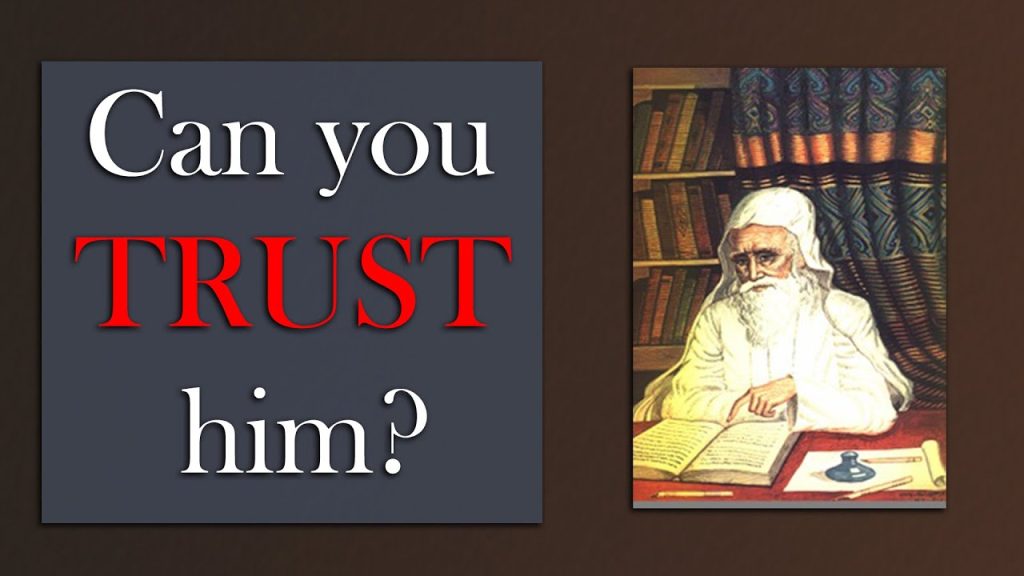
Can We Trust the Seerah of Ibn Ishaq?
Why did scholars doubt his narrations?
Muhammad Ibn Ishaq is recognized as one of the earliest biographers of Prophet Muhammad (PBUH). His Sira, or biography of the Prophet, became a foundational text for Islamic historiography, though it has sparked considerable controversy. Critics, including later scholars like Ibn Hisham, revised his work, omitting parts that were deemed unreliable or unfavorable. Concerns about the weak chains of transmission (isnads) in Ibn Ishaq’s accounts have led many scholars to question the authenticity of certain reports. Despite these issues, Ibn Ishaq’s work remains a key resource for understanding the early years of Islam and the life of the Prophet.
Who Is Ibn Ishaq?
Ibn Ishaq: The Earliest Biographer of Prophet Muhammad (PBUH)
Muhammad ibn Ishaq ibn Yasar, born around 85 AH (702 CE) in Madina, is one of the earliest biographers of Prophet Muhammad (PBUH). He passed away in Baghdad in 151 AH (768 CE). While considered one of the earliest sources on the life of the Prophet, his biography has been subject to critique regarding its accuracy.
Table of Contents
ToggleBorn in the city of the Prophet, Madina, Ibn Ishaq lived during a period of great historical change. His lineage connects him to Islamic tradition as his grandfather, Yasar, was a Christian captured in the Battle of Ayn al-Tamr in 12 AH, later converting to Islam. Ibn Ishaq’s family, including his father Ishaq and uncle Musa, were renowned traditionists, which likely inspired his passion for Islamic scholarship.1
Early Life and Historical Influence
Ibn Ishaq began his studies in Madina, learning from local scholars and collecting stories about Prophet Muhammad (PBUH). His work flourished during the Abbasid caliphate, and he eventually traveled to Iraq and Iran. He was notably the first author to compile the “Sirat Rasul Allah,” or the Biography of the Messenger of Allah, a seminal work on the life of Prophet Muhammad (PBUH).
His Acquisition of Knowledge from His Shaykhs
In the early stages of his academic journey, he studied in one of the greatest centers of knowledge—the revered city of the Prophet, Madinah (blessings and peace be upon him). There, he immersed himself in learning from esteemed scholars and fuqaha (Islamic jurists), while also acquiring hadith knowledge from prominent muhaddithoon (hadith scholars). His dedication led him to achieve the highest levels of scholarship. It is even said that he met the noble Companion Anas ibn Malik and Sa‘eed ibn al-Musayyab, the leader of the Taabi‘een.
His renowned shaykhs included notable figures such as Sa‘eed al-Maqbiri, ‘Abd ar-Rahman ibn Hormuz, ‘Amr ibn Shu‘ayb, Muhammad ibn Ibrahim at-Taymi, Abu Ja‘far al-Baqir, az-Zuhri, ‘Abdullah ibn Abi Bakr ibn Hazm, and Muhammad ibn al-Munkadir, among many others.
His thirst for knowledge led him to travel extensively from a young age, visiting Mesopotamia, Kufa, ar-Rayy, and Baghdad. In 115 AH, he even journeyed to Alexandria, where he studied with various Egyptian scholars. According to Ibn Sa’d (may Allah have mercy on him), though he left Madinah a long time ago, only Ibraaheem ibn Sa‘d narrated from him. He was also associated with al-‘Abbas ibn Muhammad in Mesopotamia and visited Abu Ja‘far in al-Heerah, where he authored the work al-Maghaazi. His teachings were widely transmitted in Kufa and ar-Rayy, where he had a larger number of students and narrators than in Madinah.
Legacy and Preservation of Ibn Ishaq’s Work
Arabs were deeply rooted in the practice of orally preserving tribal battles and heroic deeds. It was only natural for them to maintain similar traditions regarding Prophet Muhammad (saw) and his close companions. It is likely that, even during his lifetime, accounts of his maghazi, or ‘raiding campaigns,’ began to solidify and circulate within the community.
The exact time when these oral traditions were first systematically collected and written down remains unclear. A notable Medinan scholar, Urwah bin al-Zubayr (d. 712), is credited with compiling an early maghazi work. His pupil, Abu Bakr al-Zuhri (d. 742), passed this compilation to Musa bin Uqbah (d. 758), who is believed to have used it as a foundation for his own work. A significant fragment of Ibn Uqbah’s compilation, consisting of nineteen traditions, has survived, while many of his accounts are cited in later historical works.
Ibn Ishaq’s biography of the Prophet, the Sira, was heavily based on earlier reports, particularly the Maghazi, which documented the military campaigns of Prophet Muhammad (PBUH). Though the original text of Ibn Ishaq’s work has been lost, much of it has been preserved through the works of later scholars like Ibn Hisham, who made significant revisions. Other notable scholars who referenced Ibn Ishaq’s material include al-Tabari, al-Bakka’i, Yunus b. Bukayr, al Athir, Al Qarawayoun (in Fez, Morocco)
Ibn Hisham’s recension of Ibn Ishaq’s work, Sirat Muhammad Rasul Allah, is one of the most detailed early sources on the life of the Prophet. This work provides insight into the creation of the world, Biblical prophets, and the emergence of Islam. The battles and campaigns led by the Prophet Muhammad are described in detail, making it a valuable historical source.
Ibn Hisham, in particular, edited and revised Ibn Ishaq’s work, producing one of the earliest biographies of the Prophet, though not without modifications. Ibn Hisham admitted to omitting parts of Ibn Ishaq’s narrative that might cast a negative light on the Prophet’s character. This version, called Sirat Rasul Allah, remains one of the most referenced sources in Islamic history, though some scholars question its reliability.
Translations and Western Recognition
The Arabic text of Ibn Ishaq’s work was published in three volumes at Gottingen by F. Wustenfeld between 1858 and 1860. Later, a German translation titled The Historian of the Caliphate by G. Weil was released in Stuttgart in 1864. However, the English-speaking world became more familiar with this historical work through Alfred Guillaume’s acclaimed English translation, which is widely regarded as the most accurate reconstruction of Ibn Ishaq’s biography of Prophet Muhammad (peace be upon him).
Alfred Guillaume’s English translation is a thorough attempt to recreate Ibn Ishaq’s work, primarily by translating Ibn Hisham’s account of Ibn Ishaq’s writings. Guillaume also integrated quotations from al-Tabari, particularly those sections omitted by Ibn Hisham. Ibn Hisham’s Notes, which constitute around 15% of his revisions to Ibn Ishaq’s original material, are included in Guillaume’s work.3
Scholarly Status of Ibn Ishaaq
Scholarly Recognitions
His Books
Ibn Ishaaq’s most famous work is al-Maghaazi, which is the primary reason for his lasting legacy. Although the complete text has not yet been fully published, parts of it have been made available through annotations by Dr. Muhammad Hameedullah and Dr. Suhayl Zakkaar. It is hoped that the full text will soon be published, insha’Allah.
The essence of al-Maghaazi has been preserved through the abridgment by Ibn Hishaam in as-Seerah an-Nabawiyyah li Ibn Hishaam (The Prophetic Biography of Ibn Hishaam). This abridged version was narrated by Ziyaad al-Bakaa’i, a student of Ibn Ishaaq, ensuring that his work continues to benefit generations of scholars.
Expertise in Maghaazi (Prophet’s Military Campaigns) and Siyar (Prophet’s Biography)
Muhammad ibn Ishaaq is particularly renowned for his deep expertise in maghaazi (the Prophet’s military campaigns) and siyar (the Prophet’s biography). He was the first scholar to compile reports on the maghaazi into a cohesive book.
Imam ash-Shaafa‘i affirmed this by stating: “Whoever seeks detailed knowledge of the maghaazi must rely on Muhammad ibn Ishaaq.“
Ibn ‘Adiyy also praised him, saying that if Ibn Ishaaq had no other achievement than turning the attention of rulers towards the military campaigns of the Prophet (blessings and peace of Allah be upon him), his biography, and the creation of the world, this would be sufficient to place him above others. Imam adh-Dhahabi similarly regarded him as a great scholar of maghaazi.
Ibne Hisham's Seerah With Commentary about Ibne Ishaq's material
Ibn Hisham’s (833 C.E.) account offers detailed information on the creation of the world, the stories of Biblical prophets, and the rise of Islam. His detailed descriptions of the battles and actions of Prophet Muhammad make his version of the Sirat Muhammad Rasul Allah a crucial source, considered by Dunlop to be one of the most reliable early records of the Prophet’s life.
Though it is uncertain if Ibn Ishaq ever wrote a formal “book,” what has been preserved comes largely from the notes taken by his students. The most comprehensive source now available is the Sirat al-Nabi (“Life of the Prophet”) by Abd al-Malik ibn Hisham, which organizes Ibn Ishaq’s material and adds commentary. This work, along with al-Tabari and other scholars’ contributions, fills in the gaps, such as the controversial account of the alleged verses, which was excluded by Ibn Hisham but mentioned by al-Tabari.
Structure of Ibn Ishaq's Biography of the Prophet
Ibn Ishaq’s work is divided into three main sections:
Mubtada’ (The Beginning): Covers the history of the world up to the start of the Prophet’s mission. This section draws heavily from Biblical sources and Arabic traditions. Much of this part has been lost, though some passages are preserved by later scholars.
Al-Mab’ath: Focuses on the life of the Prophet in Mecca, beginning with his birth and continuing through his early prophethood until the first major military engagements. This section is rich with prophetic traditions, poetry, and lists of early Muslims, though it lacks a strict chronological order.
Maghazi (Campaigns): Chronicles the Prophet’s military campaigns from his base in Medina, providing a detailed, month-by-month account. This section includes battle descriptions, poetry, and lists of participants. The Constitution of Medina and other key documents are also included.
Hadith and Poetry in Ibn Ishaq’s Sira
Ibn Ishaq’s Sirat Rasul Allah contains approximately 600 hadiths, though their authenticity has been questioned by later scholars. Major hadith collectors like Bukhari and Muslim rarely incorporated Ibn Ishaq’s material due to concerns about the reliability of the isnads (chains of transmission).
In addition to hadiths, Ibn Ishaq’s work features numerous poems, many of which have been criticized by later scholars for their potential inauthenticity. Nonetheless, his Sira remains a foundational text for understanding the life of the Prophet.
The Earliest Sources: Who Were They?
Was Ibn Ishaq the earliest biographer of Prophet Muhammad (pbuh)?
Contrary to popular belief, the answer is no. It is often claimed that the first biography of the Prophet was written 120 years after his death by Ibn Ishaq, but this is inaccurate.
In the early days of Islam, numerous books were written about Islam and the life of Prophet Muhammad (PBUH). These works primarily focused on Sirat (biographies) and Maghazi (accounts of battles). Unlike Hadith collections, these writings were not held to the same standard of reliability. The Sirat and Maghazi were not meticulously compiled, allowing many unreliable accounts and fictional narratives to find their way into the texts.
Despite these issues, the following is a list of some of the earliest compilers and biographers of the Prophet Muhammad (PBUH) and the Maghazi.
For a deeper dive into early hadith collections and to refute the claim that hadiths were compiled “200 years after the Prophet,” see [here].
7th and Early 8th Century (1st Century Hijra)
- Sahl ibn Abī Ḥathma (died during Mu’awiya’s reign, 41-60 AH): A companion of the Prophet, his writings on Maghazi (battles of the Prophet) are preserved in works by al-Baladhuri, Ibn Sa’d, Ibn Jarir al-Tabari, and al-Waqidi.
- Abdullah ibn Abbas (d. 78 AH): A companion whose traditions appear in multiple hadith and sīra collections.
- Saʿīd ibn Saʿd ibn ʿUbāda al-Khazrajī: His writings are preserved in the Musnad of Ibn Hanbal and al-Tabari‘s Tārīkh.
- ʿUrwa ibn al-Zubayr (d. 713): Corresponded with the Umayyad caliphs, providing key insights into events from the Prophet’s time, although he did not author a book.
- Saʿīd ibn al-Masīb al-Makhzūmī (d. 94 AH): His traditions are cited in major hadith collections and sīra works by Ibn Ishaq and others.
- Abū Fiḍāla ʿAbd Allāh ibn Kaʿb ibn Mālik al-Anṣārī (d. 97 AH): His traditions feature in Ibn Ishaq and al-Tabari.
- Abbān ibn Uthmān ibn Affān (d. 101-105 AH): His contributions are recorded in Malik ibn Anas‘ Muwaṭṭaʾ, Ibn Sa’d, and al-Tabari.
- ʿĀmir ibn Sharāḥīl al-Shaʿbī (d. 103 AH): His traditions are preserved by various hadith transmitters.
8th and Early 9th Century (2nd Century Hijra)
- Al-Qāsim ibn Muḥammad ibn Abī Bakr (d. 107 AH): His traditions appear in works by al-Tabari, al-Baladhuri, and al-Waqidi.
- Wahb ibn Munabbih (d. between 725-737 or 114 AH): Though none of his books survive, his work is quoted in Ibn Ishaq, al-Tabari, and others.
- Ibn Shihāb al-Zuhrī (d. c. 737): A key figure in sīra literature, he collected both hadiths and historical reports.
- Musa ibn ʿUqba: A student of al-Zuhrī, his Kitāb al-Maghāzī is now lost, though some traditions survive.
- Muhammad ibn Ishaq (d. 767 or 761): Often credited with authoring the first full biography of the Prophet, he built on the works of earlier scholars.
Other Biographers of Prophet Muhammad (710 AD – 921 AD)
- Zubayr ibn al-Awam – The husband of Asma bint Abi Bakr.
- Abaan ibn Uthman ibn Affan – The son of Uthman, wrote a small booklet.
- Al-Sha’bi – Early biographer of the Prophet.
- Hammam ibn Munabbih – A student of Abu Hurayrah.
- Asim Ibn Umar Ibn Qatada Al-Ansari – Notable for his historical works.
- Ma’mar Ibn Rashid Al-Azdi – A pupil of Al-Zuhri, a prominent early historian.
- Abdul Rahman ibn Abdul Aziz Al-Ausi – A student of Al-Zuhri.
- Muhammad ibn Salih ibn Dinar Al-Tammar – A pupil of Al-Zuhri and mentor to Al-Waqidi.
- Hashim Ibn Urwah ibn Zubayr – Son of Urwah ibn Zubayr and student of Al-Zuhri.
- Ya’qub bin Utba Ibn Mughira Ibn Al-Akhnas Ibn Shuraiq Al-Thaqafi – Another key biographer.
- Abu Ma’shar Najih Al-Madani – Early historian of the Prophet’s life.
- Ali ibn Mujahid Al-Razi Al-Kindi – Biographer of the Prophet Muhammad.
- Al-Bakka – Disciple of Ibn Ishaq and mentor to Ibn Hisham, crucial in connecting the works of these two scholars.
- Abdul Malik Ibn Hisham – Famous for his work which incorporates Ibn Ishaq’s writings.
- Salama ibn Al-Fadl Al-Abrash Al-Ansari – A pupil of Ibn Ishaq.
- Al-Waqidi – Known for his surviving work, Kitab al-Tarikh wa al-Maghazi (Book of History and Campaigns).
- Abu Isa Muhammad Al-Tirmidhi – Compiled works on the characteristics of the Prophet.
- Ibn Sa’d – Wrote the eight-volume Tabaqat, also known as The Book of the Major Classes, and was a student of Al-Waqidi.
- Imam Al-Bayhaqee – Authored Dalail An-Nabuwwah (Arguments for Prophethood).
- Muhammad ibn Jarir al-Tabari – Known for History of the Prophets and Kings, which includes early writings on the life of Muhammad, citing Ibn Ishaq.
Later Writers and Biographies (1100 AD – 1517 AD)
- Abdul Rahman Al-Suhaili – Authored a commentary on Ibn Ishaq’s work titled Raud al-Unuf.
- Al-Hafiz Abdul Mu’min Al-Dimyati – Wrote Al-Mukhtasar fi Sirati Sayyid Khair al-Bashar, commonly referred to as the Sira of Al-Dimyati.
- Ala’al-Din Ali ibn Muhammad Al-Khilati Hanafi – Known for his Sirat of Al-Khilati.
- Sheikh Zahir al-Din ibn Muhammad Gazaruni – Another important biographer.
- Abu-al-Faraj ibn Al-Jawzi – Wrote A Great Collection of Fabricated Traditions, a critique of Musnad Ahmad ibn Hanbal, as well as the Sira Sharaf Al-Mustafa.
- Ibn Kathir – Famous for Al-Sira Al-Nabawiyya.
- Abu Rabi Sulaiman ibn Musa Al-Kala’i – Compiled Iktifa fi Maghazi al-Mustafa wal-Khulafa al-Thalatha.
- Ibn Abd al-Barr – Well-known biographer of the Prophet.
- Ibn Sayyid Al-Nas – Authored Uyun al-Athar.
- Qadi Iyad – Famous for Ash-Shifa: Muhammad, the Messenger of Allah.
- Zain al-Din Iraqi – Teacher of Ibn Hajar, authored Sira Manzuma.
- Al-Qastallani – Wrote Al-Mawahib al-Ladunniya, another prominent biography of the Prophet.
The Key Differences Between Sirah and Hadith
Critics of Islam often claim that Ibn Ishaq’s Sirat Rasulallah (Life of the Prophet of Allah) is the most authentic biography of Prophet Muhammad (PBUH). This is a misconception. While it’s true that Sirat Rasulallah is the earliest known biography of the Prophet, no Muslim scholar accepts Ibn Ishaq’s work as completely accurate or reliable. Unlike the Hadith, Sirah is not considered inspired or 100% authentic by Muslim scholars. In fact, much of the material found in the Sirah, including that of Ibn Ishaq, has been critically evaluated and rejected by prominent Hadith collectors like Imam Bukhari.
What many critics fail to understand is the fundamental difference between Sirah (biography) and Hadith (the sayings and actions of Prophet Muhammad). Sirah provides a chronological account of the events surrounding the life of the Prophet (PBUH), often including narratives about people and incidents. However, the process of verifying the authenticity of these narrations in the Sirah is far less rigorous compared to the standards4 applied to Hadith.
Hadith collectors only included narrations that met the strictest standards, such as those classified as Sahih (authentic) or Hasan (reliable). In contrast, Sirah writings often incorporate weaker narrations to fill gaps in the historical record. Muslim scholars accept Hadith collections, such as Sahih Bukhari and Sahih Muslim, as 100% authentic, but they question up to 70% of the material found in early Sirah works, including those by Al-Waqidi, Ibn Sa’d, and Ibn Ishaq. These early Sirah writers were historians rather than Hadith scholars, and their works do not adhere to the rigorous standards of Islamic sciences like isnaad (chain of transmission).
For example, Ibn Ishaq, although recognized for his contributions to the Sirah, was largely abandoned by Hadith scholars such as Bukhari and Muslim because he often included weaker narrations in his works. This distinction is crucial for understanding why Muslim scholars hold Hadith in higher regard than Sirah when it comes to understanding the life and teachings of the Prophet (PBUH).
In support of this, Imam Ibn Taymiyyah stated in Majmoo’ al-Fatawa (Vol. 18, p. 7):
“There isn’t any other book under the sky more authentic than Sahih Bukhari and Sahih Muslim.”
Similarly, Shah Waliullah Dehalwi emphasized the authenticity of the Hadith collections in Hujatullah al-Baligha (Vol. 1, p. 249):
“The scholars agreed that all the connected traditions contained within both Sahihs are absolutely authentic and successively attributed to their authors. Verily, whoever undermines their importance is an innovator who is not following the path of the believers.”
While Bukhari and Muslim are highly regarded, some narrations in their collections do contain broken chains of transmission, as noted in the footnotes of their works. Despite this, these two collections remain the most reliable sources for learning about Islam.
It’s important to note that Shia Muslims prefer Hadith attributed to the Ahl al-Bayt (the family of the Prophet) and their close companions. They have their own separate Hadith collections, with a focus on narrations linked to Ali and his family, although these collections also face scrutiny for their authenticity.
Why Ibn Ishaq Cannot Be Trusted: The Problems with His Biography
Ibn Ishaq’s The Life of Muhammad is frequently cited by critics of Islam, especially when they find narratives that cast Prophet Muhammad (PBUH) in a negative light. These critics often rely on Ibn Ishaq’s work to attack Islam, but there are significant problems with trusting his writings as an accurate or reliable source of information. Although he was the earliest biographer of the Prophet, several respected Muslim scholars and theologians have raised serious concerns about his work.
As Bassam Zawadi points out, “just because something is early doesn’t mean it is true.” The early nature of Ibn Ishaq’s work does not guarantee its accuracy, and his reliability as a historian is questionable.
Here are the main reasons why Ibn Ishaq’s authority is rejected by many Islamic scholars:
1. Sectarian Bias (Shi'i Influence)
Ibn Ishaq was known to have a Shi’i bias, favoring Ali over other companions when discussing the Khilafa. This sectarian inclination casts doubt on the impartiality of his accounts, as it may have influenced the way he portrayed certain events or figures in Islamic history.
2. Views on Free Will
Ibn Ishaq held the belief that humans possess free will, a perspective that some scholars argue contradicts the Qur’anic concept of divine decree. This theological difference may have influenced his interpretation of events and stories, causing his work to be viewed with suspicion by traditional Islamic scholars.
3. Weak Isnads (Chains of Transmission)
One of the most significant problems with Ibn Ishaq’s work is the weakness of his isnads (chains of narrators). His reports often lack a strong chain of transmission, meaning he did not always meticulously record the names of trustworthy transmitters. Since Ibn Ishaq was not an eyewitness to any of the events he documented—writing about 150 years after the Prophet’s death—this weakens the reliability of his accounts. In Islamic scholarship, the strength of the isnad is crucial to determining the authenticity of any report about the Prophet.
4. Use of Jewish Sources
Ibn Ishaq often incorporated traditions and stories from Jewish sources. Many of these accounts are considered by Islamic scholars to be fabrications or legends, similar to the way early Christians outside of Palestine created myths about Jesus that made their way into the Gospels. Using such unreliable sources is unacceptable to most Muslim theologians, as it undermines the credibility of the narratives about the Prophet.
5. Sympathy Toward Jews of Arabia
Ibn Ishaq was seen as overly sympathetic toward the Jews of Arabia. He included several positive reports about them, even though the Jewish tribes of Madinah were often in conflict with the Muslims. Some scholars argue that his favorable portrayal of the Jews of Arabia is problematic, especially considering their opposition to Prophet Muhammad, including plots to assassinate him and alliances with the Prophet’s enemies.
6. Contradicting Hadith Reports
One of the most glaring issues with Ibn Ishaq’s biography is his account of Laylat al-Qadr (the first revelation), which contradicts all the versions found in hadith collections like those of Bukhari, Muslim, and Abu Dawud. These hadith collectors were much more rigorous in ensuring the authenticity of their reports, which further undermines Ibn Ishaq’s credibility.
7. Stories Not Found in Hadith Collections
Ibn Ishaq’s works also contain numerous chainless stories, where the narrators are either not named or their identities are unclear. Without knowing who these narrators are—whether they were Muslims, non-Muslims, or even hypocrites with ulterior motives—it becomes impossible to apply the principle of authenticity. Since the reliability of the narrators cannot be established, the veracity of the stories is left in doubt. Scholars argue that without trustworthy sources, these narrations should not be considered valid accounts of the Prophet’s life.
Those stories reported by Ibn Ishaq are not found in any authentic hadith collections, including those of Bukhari and Muslim. This suggests that the hadith scholars, who were meticulous in verifying their sources, did not trust Ibn Ishaq’s reports.
8. Criticism by Contemporary and Later Scholars
The Original Form of Ibn Ishaq's Sirat Rasul Allah Is Lost
Ibn Hisham's Objections on Ibn Ishaq's narrations
The original version of Ibn Ishaq’s Sirat Rasul Allah, the earliest biography of Prophet Muhammad, has been lost. Today, we only have a revised and shortened version by Ibn Hisham, who died in 834 C.E., around 60 years after Ibn Ishaq. Additionally, fragments of Ibn Ishaq’s work are found in the writings of other Muslim historians, such as Muhammad Ibn Jarir Al-Tabari (839-923 C.E.).
Ibn Hisham, the editor of Ibn Ishaq’s biography, admitted to removing certain parts from the original text. Ibn Hisham was not a hadith scholar and did not follow the strict methodology required for authenticating hadith or verifying isnad (chains of transmission). He explains in his version that he omitted various content from Ibn Ishaq’s original biography:
“God willing I shall begin this book with Isma’il son of Ibrahim and mention those of his offspring who were the ancestors of God’s apostle one by one with what is known about them, taking no account of Isma’il’s other children, omitting some of the things which Ibn Ishaq has recorded in this book in which there is no mention of the apostle and about which the Quran says nothing and which are not relevant… poems which he quotes that no authority on poetry whom I have met knows of; things which it is disgraceful to discuss; matters which would distress certain people; and such reports as al-Bakka’i told me he could not accept as trustworthy – all these things I have omitted. But God willing I shall give a full account of everything else so far as it is known and trustworthy tradition is available.”9
This shows that even Ibn Hisham found certain elements in Ibn Ishaq’s biography questionable or untrustworthy, leading him to exclude them from his version.
Scholars Opinion About Ibn Ishaq's Reliability
1. Imam Malik on Ibn Ishaq's Criticism
Who is Imam Malik?
Imam Malik bin Anas bin Malik bin Abu Amir Al-Asbahi (715-801 CE), commonly known as Imam Malik, was one of the most prominent Islamic scholars and the compiler of the renowned hadith collection, the Muwatta. He lived closest in time to the Prophet Muhammad (PBUH) among the famous hadith collectors like Bukhari, Muslim, and Abu Dawud, having been born roughly 80 years after the Prophet’s passing.
Imam Malik was a respected authority in Islamic scholarship, particularly in the field of hadith. His expertise and dedication to preserving authentic narrations made his work highly influential.
What Did He Say About Ibn Ishaq?
2. Ibn Taymiyyah on Ibn Ishaq's Narrations
“Allah has provided evidence (i.e., Isnad) to establish the authenticity or lack thereof of narrations that are essential in religious matters. It is well known that most reports concerning Tafsir (commentaries on the Qur’an) are similar to those about Maghazi (or Seerah) and battles, prompting Imam Ahmad to state that three areas lack Isnad: Tafsir, Mala’him (i.e., great battles), and Maghazi. This is because most of their narrations are of the Maraseel (plural for Mursal) type, such as those reported by Urwah Ibn az-Zubair, ash-Sha’bi, az-Zuhri, Musa Ibn Uqbah, and Ibn Ishaq.” 7
3. Yahya bin Kattan and Al-Nasa'i's Criticism
4. Imam Ahmed about Ibn Ishaq's Solitary Reports
One of the significant problems with Ibn Ishaq’s work is that many of his narrations are “solitary reports,” meaning that they lack corroborating chains of transmission outside of his own work. Therefore, Imam Ahmad ibn Hanbal (may Allah be pleased with him) did not approve of the hadiths of Ibn Ishaaq.
Ahmad said:
Ibn Ishaaq came to Baghdad, and he did not care from whom he narrated, from al-Kalbi or anyone else.He cannot be quoted as evidence.
Abu’l-‘Abbaas ibn ‘Uqdah narrated that he heard ‘Abdullah ibn Ahmad ibn Hanbal say:
“My father, Imam Ahmad ibn Hanbal, would actively seek out the hadith of Ibn Ishaaq, record them, and include them in his Musnad.” When asked if Imam Ahmad used Ibn Ishaaq’s hadith as evidence, ‘Abdullah clarified: “He did not use them as evidence in matters related to the Sunnah of the Prophet (blessings and peace of Allah be upon him).“
Imam Ahmad’s View on Ibn Ishaq’s Solitary Reports:
- Rejection of Solitary Reports: Imam Ahmad Ibn Hanbal, when asked if Ibn Ishaq’s solitary reports could be considered reliable, responded with a resounding “No.” Therefore, Imam Ahmad firmly stated that these solitary reports were not considered reliable. He did not accept them as authentic due to the lack of a rigorous chain of transmission.
- Critique of Methodology: Imam Ahmad’s critique of Ibn Ishaq’s solitary reports reflected a broader concern about the methodology of hadith compilation and verification. He emphasized the importance of a complete and reliable chain of transmitters (isnad) in ensuring the authenticity of hadith reports.
5. Adh-Dhahabi’ Opinion
Adh-Dhahabi About Ibne Ishaq's Knowledge
Adh-Dhahabi praised about Ibn Ishaq:
He was the first one to write down knowledge in Madinah; that was before Maalik and Dhawayh. He was like a wondrous ocean of knowledge, but he was not as precise as he should have been.
Ad-Dhabi assessment on Ibn Ishaq's Narrations
Adh-Dhahabi, a prominent Islamic scholar and historian, provided critical assessments of Ibn Ishaq’s reliability in his works.
He said:
Al-Qaadi Abu Ayyoob was right when he said: Whoever seeks out strange hadiths, his hadiths will be rejected. This is one of the gravest faults of Ibn Ishaaq. He recorded hadiths from everyone without any restraint.
He acknowledged Ibn Ishaq’s role as an early biographer of the Prophet Muhammad but also highlighted several concerns regarding his credibility.
Criticism of Reliability: Adh-Dhahabi mentioned that Ibn Ishaq’s reports were not always reliable. He noted that Ibn Ishaq had a tendency to include weak or questionable narrations. In his work, Siyar A’lam al-Nubala (The Lives of the Noble), Adh-Dhahabi refers to Ibn Ishaq’s compilations as containing narrations that were sometimes unverified or based on less rigorous chains of transmission.
Inclusion of Weak Narrations: Adh-Dhahabi criticized Ibn Ishaq for including narrations from sources that were not always authentic. He pointed out that some of Ibn Ishaq’s narrations were not well-supported by solid isnad (chains of transmission), leading to skepticism about their accuracy.
Historical Context: Adh-Dhahabi also noted that Ibn Ishaq’s work was produced a significant time after the events he described. This temporal distance, combined with the lack of rigorous verification in his reports, contributed to concerns about the reliability of his accounts.
Overall, while Adh-Dhahabi recognized the historical importance of Ibn Ishaq’s Sirah, he emphasized that his work should be approached with caution due to the presence of weak and questionable narrations.
6. Other Noteworthy Scholars View Against Ibn Ishaq
Imam Bukhari
Ya‘qoob ibn Shaybah
Ya‘qoob ibn Shaybah said: I heard Ibn Numayr say, when he mentioned Ibn Ishaaq:
When he narrates from well-known narrators from whom he heard directly, then he is hasan al-hadith and sadooq (trustworthy). But his problem is that he narrates invalid hadiths from unknown narrators.
Ishaaq ibn Ahmad ibn Khalaf al-Bukhaari al-Haafiz
Ishaaq ibn Ahmad ibn Khalaf al-Bukhaari al-Haafiz said: I heard Muhammad ibn Ismaa‘eel say:
Muhammad ibn Ishaaq has a thousand hadiths narrated by him alone, that he does not have in common with anyone else.
Abu’l-‘Abbaas ibn ‘Uqdah
Abu’l-‘Abbaas ibn ‘Uqdah said: I heard ‘Abdullah ibn Ahmad ibn Hanbal say:
My father used to seek out the hadith of Ibn Ishaaq and write it down and narrate it in the Musnad. It was said to him: Did he quote it as evidence? He said: He did not quote it as evidence with regard to issues having to do with the Sunnah of the Prophet (blessings and peace of Allah be upon him).
Al-‘Aqeeli
Al-‘Aqeeli said:
Al-Khidr ibn Dawood told me: Ahmad ibn Muhammad told me: I said to Abu ‘Abdullah: What do you say about Ibn Ishaaq? He said: He engaged in tadlees a great deal. I said: If he says, [So and so] informed me, [So and so] told me, is he trustworthy? He said: He says, [So and so] told me, but he may still engage in tadlees.
Ibn Ma‘een
There are differing reports from Ibn Ma‘een concerning his verdict on the hadith of Ibn Ishaaq. An-Nasaa’i said:
He is not qawiy (strong). Abu Haatim said: His hadith may be written down. Ad-Daaraqutni said: His hadith may not be quoted as evidence.
False Stories Found in Ibn Ishaq
Many fabricated stories are found in the works of Ibn Ishaq. Below are some of the well-known false stories attributed to Prophet Muhammad and the reasons why they are considered invalid.
1. The Alleged Assassination of Asma bint Marwan
Critics claim that Prophet Muhammad ordered the assassination of Asma bint Marwan, a poetess from the tribe of Aus who supposedly mocked the Prophet. According to the false story, the Prophet allegedly asked a man named Umair to kill her, and after her death, he praised Umair. This narrative is found in Ibn Sa’d’s Kitab At-Tabaqat Al-Kabir and is attributed to Ibn Sa’d, Ibn ‘Adiyy, and others.
However, Ibn ‘Adiyy himself mentions that the chain of transmission is unreliable. The isnâd (chain of reporters) is flawed, as Muhammad Ibn Al-Hajjaj, one of the narrators, is known for fabricating hadith.10 This story is therefore rejected and is not found in any authentic hadith collections like Bukhari or Muslim.
2. The Alleged Assassination of Abu Afak
Abu Afak was reportedly a Jewish poet in Madinah who mocked the Prophet, leading to his alleged assassination by Salim Ibn Umayr at the Prophet’s command. The issue with this story is the complete absence of an isnâd. Neither Ibn Ishaq nor Al-Waqidi provide a chain of transmission, and hadith scholars have classified the story as having “no basis.” It is therefore considered fictional.
3. The Alleged Torture of Kinnana for Treasure
4. The Killing of Sara, a Freed Slave
The story of Prophet Muhammad allegedly ordering the killing of a freed slave named Sara for mocking him is also baseless. It is found only in Ibn Ishaq but does not appear in any of the authentic hadith collections, such as Bukhari or Muslim. This story contradicts hadith prohibiting the killing of women.
Narrated ‘Abdullah:
During some of the Ghazawat of the Prophet a woman was found killed. Allah’s Apostle disapproved the killing of women and children. (Bukhari Volume 4, Book 52, Number 257)
5. The Killing of Al-Huwayrith
The alleged killing of Al-Huwayrith for insulting Prophet Muhammad is mentioned only in Ibn Ishaq and Al-Tabari. Like the previous stories, it lacks credible sources, isnâd, and does not appear in authentic hadith collections.
6. The Killing of Abdullah bin Khatal and His Singing Girls
This fabricated narrative alleges that Abdullah bin Khatal and his two singing girls mocked the Prophet, leading to their deaths by the Prophet’s command. However, this story is found only in Ibn Ishaq and lacks proper isnâd. It is considered false as it contradicts the Prophet’s known stance on the killing of women.
7. The Killing of Sallam Ibn Abu’l-Huqayq
According to Ibn Ishaq, Prophet Muhammad allegedly ordered the killing of Sallam Ibn Abu’l-Huqayq, a Jewish man. However, this story is absent from all hadith collections and lacks any reliable chain of transmission, making it a fabricated account.
8. The Killing of the One-Eyed Shepherd
Ibn Ishaq narrates that a Muslim named Amr killed a one-eyed shepherd for mocking the Prophet. This story is unsupported by any hadith literature and has no credible sources, making it another false tale.
What Non-Muslim Scholars Say About Ibn Ishaq's Narrations
“False ascription was widespread among 8th-century scholars, and Ibn Ishaq and his contemporaries were relying on oral traditions. Neither of these points is arbitrary. We have evidence that numerous traditions on matters of doctrine and law were given fake chains of authority by those circulating them. At the same time, there was significant debate during the 8th century about whether oral traditions could be written down. These factors suggest that the reliability of early sources is questionable. If we can’t trust the chains of authorities, we can no longer claim to have separate, independent accounts. And if knowledge of Muhammad’s life was passed down orally for a century before being recorded, it is likely that the material underwent significant changes along the way.” 12Robert Spencer, a well-known critic of Islam, also acknowledges the unreliability of early Islamic biographies. In his book The Truth About Muhammad, he admits that:
“Ibn Ishaq’s life of Muhammad is so unashamedly hagiographical that its accuracy is questionable.” 13Despite this admission, Spencer references Ibn Ishaq in 120 of the 400 footnotes in his book. This selective use of sources highlights a common issue with critics of Islam, who often pick and choose which parts of these early sources they accept, undermining their arguments against the faith. The criticisms from both Muslim and non-Muslim scholars point to the challenges in trusting early Islamic biographical materials due to their reliance on oral traditions and questionable chains of transmission.
Responses To Criticisms About Ibn Ishaq
Accusation of Being a Shi‘i and Qadari
Even if the accusation of Ibn Ishaaq being a Shi‘i were true, it would not undermine the reliability of his hadith. Scholars have accepted hadith from Qadaris and Shi‘ah, provided they were truthful, honest, and had good memory.
Accusation of Narrating Munkar (Odd) Reports
Ibn Ishaaq was known to collect rare or unusual (munkar) hadith, which led to the rejection of some of his narrations. Imam Ahmad ibn Hanbal did not fully approve of his hadith due to this tendency to narrate from lesser-known sources.
Ya‘qoob ibn Shaybah reported that Ibn Numayr regarded Ibn Ishaaq as hasan al-hadith (acceptable) when narrating from reliable sources. However, the issue arose when he narrated from unknown or invalid narrators.
Accusation of Narrating Israa’eeliyyaat (Jewish Traditions)
Ibn Ishaaq was also criticized for narrating Israa’eeliyyaat. However, Imam adh-Dhahabi defended this, stating that the Prophet (blessings and peace be upon him) himself allowed the narration of Jewish traditions, provided they are neither accepted nor rejected as absolute truth. Adh-Dhahabi emphasized that Islamic evidence rests on the Qur’an and Sunnah, not on these external reports.
Imam adh-Dhahabi (may Allah have mercy on him) responded to this issue by saying:
What is wrong with narrating Israa’eeliyyaat from the People of the Book, since the Prophet (blessings and peace of Allah be upon him) said: “Narrate from the Children of Israel, and there is nothing wrong with that” and he said: “If the People of the Book tell you something, do not believe them and do not disbelieve them”? This is Prophetic permission allowing us to listen to what they narrate in general, as some scholars listened to what they narrated concerning medicine. But none of that can be quoted as evidence; rather, evidence is to be found in the Qur’an and Sunnah. End quote.
Mizaan al-I‘tidaal (6/58).
Accusation of Differing with Trustworthy Narrators
Ibn Ishaaq was sometimes accused of narrating hadith that differed from more reliable narrators. However, such differences do not detract from his overall credibility.
Accusation of Lying
The accusation of lying, brought forth by Hishaam ibn ‘Urwah, Imam Maalik, and Yahya al-Qattaan, is unproven. For example, Hishaam claimed that Ibn Ishaaq falsely reported a hadith from Hishaam’s wife, Faatimah bint al-Mundhir, even though Ibn Ishaaq may have heard the hadith from her behind a screen or before she married Hishaam.
Adh-Dhahabi supported Ibn Ishaaq’s truthfulness in this matter, explaining that Hishaam’s claims may have been based on a misunderstanding.
With regard to Imam Maalik calling him a liar, scholars have generally dismissed this accusation due to the known animosity between Maalik and Ibn Ishaaq. The remarks from Maalik were considered biased and did not affect Ibn Ishaaq’s reputation as a leading scholar.
Combining the Words of Different Shaykhs
Ibn Ishaaq was accused of combining the statements of different shaykhs without differentiating between their words. Ahmad ibn Hanbal expressed concerns about this practice. However, this does not render all his hadith weak (da‘eef), but it highlights the need for caution when assessing reports where it is unclear whether the wordings have been mixed.
Accusation of Tadlees (Ambiguous Narration)
Ibn Ishaaq has been noted for engaging in tadlees (using ambiguous words) by scholars such as Ibn Hajar, who categorized him in the fourth level of tadlees practitioners. Ibn Hajar mentioned that Ibn Ishaaq was known for using ambiguous words when narrating from weak (da‘eef) and unknown (majhool) narrators, a point highlighted by figures like Ahmad ibn Hanbal and ad-Daaraqutni.
However, this does not invalidate all his narrations. Hadith from those who engaged in tadlees can still be accepted if they clearly state they heard it directly. Only reports with ambiguous attributions, such as those using “‘an” (from), are to be approached with caution.
The Ruling on Hadith of Ibn Ishaq
The words of those who criticized him do not undermine his narration; rather, they bring his hadith down to the level of hasan. His hadith is to be deemed da‘eef only in the event of tadlees or if he is the sole narrator of a ghareeb hadith, not in all instances.
Ibn ‘Adiyy
Ibn ‘Adiyy said: I examined his hadith extensively, and I did not find any of his hadith that would lead one to state categorically that he is da‘eef. He may make mistakes or be confused sometimes, as others also made mistakes, but trustworthy narrators and leading scholars did not refrain from narrating from him, and there is nothing wrong with him.
Imam adh-Dhahabi
Imam Dhahabi (rahimahullah) acknowledged that there is a difference of opinion regarding the authenticity of Ibn Ishaq’s narrations. However, he referred to him as one of the “oceans of knowledge,” emphasizing his reliability. While a few narrations from Ibn Ishaq may seem questionable, Imam Dhahabi concluded that Ibn Ishaq’s Hadiths are generally sound (hasan) unless otherwise proven. Some scholars have even graded his Hadiths as authentic.14
Imam adh-Dhahabi (may Allah have mercy on him):
Regarding hadith on fiqhi rulings, his hadith descend from the level of saheeh to the level of hasan, except for those reports narrated solely by him, which are considered munkar (odd). This is my view concerning him, and Allah knows best.
Al-Haafiz Ibn Hajar
Al-Haafiz Ibn Hajar (may Allah have mercy on him) said:
The reports narrated solely by him, even if they do not reach the level of saheeh, are of the level of hasan, provided he explicitly states that the narrator informed him directly. End quote.
Fath al-Baari (11/153)
Imam Ahmed Ibn Hanbal
Ayyoob ibn Ishaaq ibn Saafiri once asked Imam Ahmad ibn Hanbal whether he accepted hadith narrated solely by Ibn Ishaaq. Imam Ahmad responded: “No, by Allah, for I find that he often narrates a single hadith from multiple sources without distinguishing the specific words of each individual.“
However, this does not imply that all of Ibn Ishaaq’s hadith are considered weak (da‘eef). Rather, it highlights the need for caution, especially in cases where there is uncertainty regarding whether Ibn Ishaaq merged the wordings of different shaykhs. It is essential to differentiate between the words of trustworthy narrators and others to maintain the integrity of hadith transmission.
Verdict
The stories from early biographers like Ibn Ishaq are largely considered unreliable by scholars. No Islamic scholar considers Ibn Ishaq’s accounts to be 100% accurate, and many critics of Islam fail to understand the purpose behind these early biographers.
The Role of Early Biographers in Islam
Early Islamic biographers such as Ibn Ishaq, Al-Tabari, Al-Waqidi, and Ibn Sa’d gathered as much material as possible, often from diverse sources including Muslims, Jews, Christians, and even pagans. Their goal wasn’t to provide definitive, authenticated accounts, but rather to collect a wide range of stories and traditions. It was then the role of the muhaddithun (scholars of hadith) to evaluate these accounts by examining the chains of transmission (isnad) and the context of the Prophet’s sayings and actions.
Why Ibn Ishaq’s Accounts Are Questionable
While some of Ibn Ishaq’s stories may hold historical value, the majority lack proper chains of transmission, making them unreliable. His work, written over 120 years after the Prophet’s death, often does not cite credible sources, leaving many of his accounts without a solid foundation. As a result, most Islamic scholars reject a large portion of his material.
Accepting the Quran and Hadith as Authentic Sources
As Muslims, the Quran and Hadith (Sunnah) are regarded as the only sources that are 100% authentic. Scholars do not accept the majority of Ibn Ishaq’s work, nor that of Al-Waqidi or Al-Tabari. While some of Ibn Sa’d’s stories are accepted, even his work is not free from criticism. That said, Ibn Sa’d is generally seen as more reliable than both Ibn Ishaq and Al-Waqidi.
In conclusion, most of the early biographical material about the Prophet Muhammad—particularly from sources like Ibn Ishaq and Al-Waqidi—cannot be trusted due to their lack of reliable transmission. The more rigorous hadith methodology provides a clearer, more trustworthy understanding of the Prophet’s life and teachings
REFERENCES
1. M. R. Ahmad (1992). Al-Sīra al-Nabawiyya fī Ḍawʾ al-Maṣādir al-Aṣliyya: Dirāsa Taḥlīliyya (1st ed.). Riyadh: King Saud University. pp. 20–34. || Guillaume, Alfred (1955). The Life of Muhammad: A Translation of Ibn Ishaq’s Sirat Rasul Allah. London. pp. 8-15.
2. Raven, Wim (2006). “Sīra and the Qurʾān.” Encyclopaedia of the Qurʾān. Brill Academic Publishers. pp. 29–49. Donner, Fred. Narratives of Islamic Origins, The Darwin Press, 1998, pg. 132.
3. Ibid pg. 691-798.
4. For a Hadith to be classified as Sahih, it must meet these strict criteria regarding the chain of narration (isnad), Integrity of Narrators (Adalat al-Ruwat), the precision of the transmission, Agreement with Other Reliable Narrations, Absence of Hidden Defects (Illa), Absence of Contradictions (Shudhudh), Connected Chain (Itisal al-Sanad) and the consistency of the content.
5. See W. Arafat, “Early critics of the poetry of the Sira“, BSOAS, XXI, 3, 1958, 453-63.
6. In Uyun al-Athar (vol. 1, pp. 16-17), Ibn Sayyid al-Nas offers an in-depth analysis of the contentious opinions surrounding Ibn Ishaq, labeling him as Kadhdhab (liar) and Dajjal min al-Dajajila (one of the great deceivers). This comprehensive introduction highlights the various debates among scholars regarding the reliability of Ibn Ishaq. Similarly, in the Gottingen edition of the Sira, Wüstenfeld provides a detailed introduction, heavily referencing the work of Ibn Sayyid al-Nas, further contributing to the ongoing scholarly discourse on the subject.
7. Shaykh Ibn Taymiyyah, Majmu’ Al Fataawa, Volume, 13, page 345
8. Jones, J.M.B. “Ibn Ishak.” Vol. IV, in Encyclopaedia of Islam, edited by Ch. Pellat and J. Schacht, with contributions from V.L.M.B. Lewis. London: Luzac & Co., 1971, pp. 810-811
9. Alfred Guillaume [Karachi Oxford University Press, Karachi, Tenth Impression 1995], The Life of Muhammad, A Translation of Ibn Ishaq’s Sirat Rasul Allah, with introduction and notes , p. 691
10. Ibn ‘Adiyy, Al-Kamel, Vol. 6, page 145
11. Allama Shibli Nu’Mani, Sirat-Un-Nabi, volume II, p 173-174
12. Cook, M: Muhammad, Oxford 1983. page 65
13. Spencer, Robert: The Truth about Muhammad, Regnery Publishers, 2006 page 25
14. Refer: Al-Kashif, vol. 4 pg. 82, Number: 4718, with footnotes by Shaykh Muhammad ‘Awwamah)
15. A Biography of the Prophet of Islam, By Mahdī Rizq Allāh Aḥmad, Syed Iqbal Zaheer, pg. 18