

Introduction
Halala (تحليل) is a specific provision in Islamic Shariah related to the process of remarriage with the first husband after triple talaq (final divorce). It is often misunderstood or misused in society, leading to controversy. This article discusses the definition of halala, its Shariah rulings, Quranic and Hadith citations, jurisprudential (fiqhi) opinions, and its correct application in detail. It is presented in a clear and accessible manner, compliant with Shariah, for general readers.
Table of Contents
ToggleWhat is Halala?
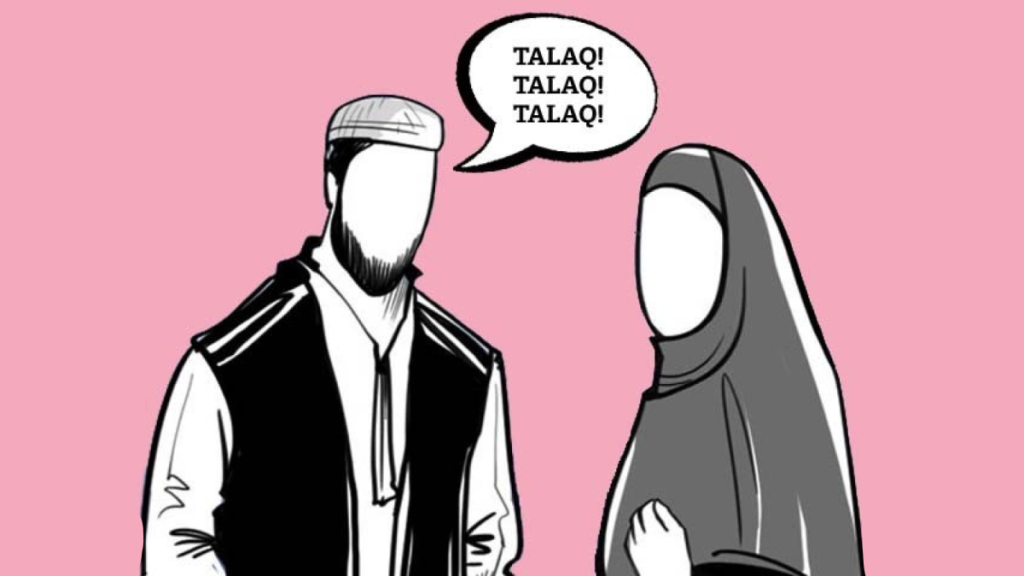
Halala is a conditional process in Shariah whereby a woman who has received three talaqs (talaq-e-bayin, or final divorce) from her husband must marry another man naturally before she can remarry her first husband. If the second marriage ends naturally (e.g., through divorce or the second husband’s death), only then can she remarry her first husband with a new marriage contract and dowry. This is clearly stated in the Quran:
فَإِنْ طَلَّقَهَا فَلَا تَحِلُّ لَهُ مِنْ بَعْدُ حَتَّىٰ تَنْكِحَ زَوْجًا غَيْرَهُ ۗ فَإِنْ طَلَّقَهَا فَلَا جُنَاحَ عَلَيْهِمَا أَنْ يَتَرَاجَعَا إِنْ ظَنَّا أَنْ يُقِيمَا حُدُودَ اللَّهِ
“If he divorces her [the third time], she is not lawful for him thereafter until she marries another husband. And if the latter divorces her, there is no blame upon them for returning to each other if they believe they can uphold the limits of Allah.” (Surah Al-Baqarah, 2:230)
Conditions of Halala
Halala applies only under specific conditions:
- After Triple Talaq: Halala is required only when the husband pronounces three talaqs, resulting in talaq-e-bayin (final divorce). In raj’i talaq (first or second talaq), the husband can reconcile during the iddah period without needing halala. وَبُعُولَتُهُنَّ أَحَقُّ بِرَدِّهِنَّ فِي ذَٰلِكَ إِنْ أَرَادُوا إِصْلَاحًا
“Their husbands have the greater right to take them back during that period if they intend reconciliation.” (Surah Al-Baqarah, 2:228) - Natural Marriage: The second marriage must be entered into with genuine intent, not solely to make the woman permissible for her first husband.
- Termination of Second Marriage: The second marriage must end naturally (e.g., through divorce or the second husband’s death) for remarriage with the first husband to be permissible.
- New Contract and Dowry: Remarriage with the first husband requires a new marriage contract and dowry. Narrated by Hazrat Aisha (RA): الطَّلَاقُ الْبَائِنُ لَا رَجْعَةَ فِيهِ إِلَّا بِعَقْدٍ جَدِيدٍ وَمَهْرٍ جَدِيدٍ
“There is no reconciliation after a bayin divorce except with a new contract and a new dowry.” (Sunan an-Nasa’i, Vol. 6, Hadith No. 3407)
Why is Intentional Halala Prohibited?
Intentional halala, where the second marriage is contracted solely to make the woman permissible for her first husband, is strictly prohibited in Shariah. It violates the sanctity of marriage and the objectives of Shariah. The Prophet (ﷺ) declared:
لَعَنَ اللَّهُ الْمُحَلِّلَ وَالْمُحَلَّلَ لَهُ
“May Allah curse the one who performs halala and the one for whom it is performed.” (Sunan Tirmidhi, Vol. 2, Hadith No. 1119; Sunan Ibn Majah, Vol. 2, Hadith No. 1936)
Imam Nawawi described intentional halala as “an insult to the sanctity of marriage” (Sharh Sahih Muslim, Vol. 9, p. 190).
Jurisprudential (Fiqhi) Opinions
The four major Sunni fiqhi schools agree on the core ruling of halala, with some differences:
- Hanafi School: Halala is mandatory after triple talaq, but the second marriage must be natural. Intentional halala is haram (Fathul Qadir, Vol. 3, p. 210).
- Shafi’i School: The second marriage must include consummation to ensure its validity for halala (Al-Umm, Vol. 5, p. 155).
- Maliki School: The intent of the second marriage should be scrutinized; intentional halala is invalid (Muwatta Malik, Vol. 2, Hadith No. 585).
- Hanbali School: Intentional halala is unacceptable, and the second marriage must be genuine (Al-Mughni, Vol. 7, p. 345).
Objectives of Halala
The Shariah objectives of halala include:
- Preserving Lineage Purity: Ensuring clarity regarding pregnancy after triple talaq to safeguard lineage.
- Emphasizing the Gravity of Talaq: Highlighting the finality of triple talaq to encourage caution in pronouncing divorce. The Prophet (ﷺ) said: أَبْغَضُ الْحَلَالِ إِلَى اللَّهِ الطَّلَاقُ
“The most disliked of permissible things to Allah is divorce.” (Sunan Abu Dawud, Vol. 2, Hadith No. 2178) - Upholding Marital Sanctity: Maintaining the responsibility and discipline of marriage.
Misconceptions About Halala in Society
In many societies, halala is misunderstood as a planned marriage where someone intentionally marries a woman to make her permissible for her first husband. This is completely prohibited in Shariah and undermines the sanctity of marriage. Mufti Taqi Usmani states:
“Halala is a conditional provision in Shariah, but using it intentionally is haram and violates the purpose of marriage.” (Fiqhul Mu’amalat, Vol. 3, p. 255)
Practical Advice Regarding Halala
For matters related to halala, the following steps should be taken:
- Verify Talaq Validity: If triple talaq is pronounced, confirm its validity through a local mufti or Shariah court. Talaq pronounced in extreme anger may be invalid in some schools (e.g., Hanbali) (Al-Mughni, Vol. 7, p. 330).
- Observe Iddah: If the triple talaq is valid, the woman must observe iddah for three menstrual cycles or until delivery if pregnant. وَالْمُطَلَّقَاتُ يَتَرَبَّصْنَ بِأَنْفُسِهِنَّ ثَلَاثَةَ قُرُوءٍ
“Divorced women shall wait concerning themselves for three menstrual periods.” (Surah Al-Baqarah, 2:228) - Address Misconceptions: If society holds misconceptions about halala, promote correct Shariah rulings through scholars or mosques.
- Consult Scholars: Seek guidance from local muftis or jurists for any decisions related to talaq or halala.
Conclusion
Halala is a conditional provision in Shariah applicable after triple talaq for remarriage with the first husband. It must occur through a natural marriage, and intentional halala is haram. In light of the Quran and Hadith, it serves to protect lineage purity and uphold the sanctity of marriage. To navigate halala-related issues and dispel societal misconceptions, consult local scholars. May Allah grant us the ability to adhere to Shariah.
References
- Quran: Surah Al-Baqarah (2:228, 2:230).
- Tirmidhi, Sunan Tirmidhi, Vol. 2, Hadith No. 1119.
- Ibn Majah, Sunan Ibn Majah, Vol. 2, Hadith No. 1936.
- Abu Dawud, Sunan Abu Dawud, Vol. 2, Hadith No. 2178.
- Nasa’i, Sunan an-Nasa’i, Vol. 6, Hadith No. 3407.
- Fathul Qadir, Vol. 3, p. 210.
- Imam Shafi’i, Al-Umm, Vol. 5, p. 155.
- Malik, Muwatta Malik, Vol. 2, Hadith No. 585.
- Ibn Qudamah, Al-Mughni, Vol. 7, p. 345.
- Imam Nawawi, Sharh Sahih Muslim, Vol. 9, p. 190.
- Mufti Taqi Usmani, Fiqhul Mu’amalat, Vol. 3, p. 255.